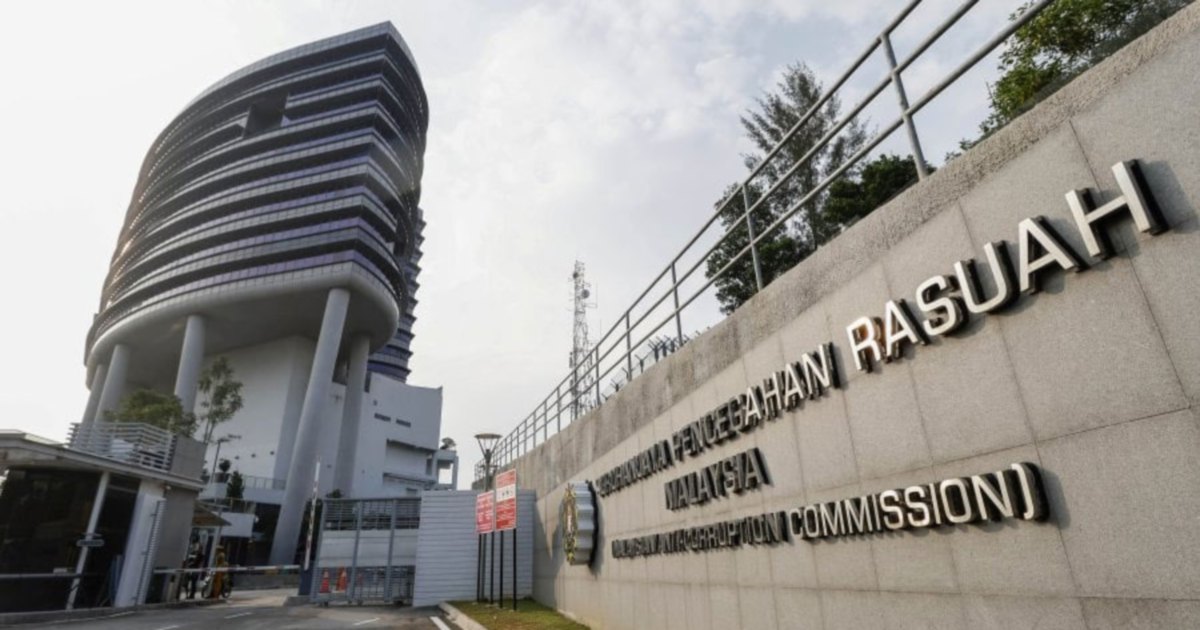
The Malaysian Anti-Corruption Commission has stepped up its inquiry into a high-profile investment failure that has cast a spotlight on governance practices within Malaysia's public pension system. MACC officials visited the Kuala Lumpur headquarters of Retirement Fund Inc (KWAP) this week to gather documentation and conduct interviews related to the fund's substantial exposure to eFishery, an Indonesian aquaculture technology venture that has since encountered significant financial difficulties.
The scale of the losses represents a material hit to KWAP, which manages retirement savings and benefits for Malaysia's civil service workforce. The RM200 million investment writedown has raised serious questions about the investment due diligence process and decision-making protocols that led to the allocation of such substantial sums into a single emerging-market venture, particularly one operating in a sector with relatively limited track record in institutional capital deployment.
eFishery operates in the aquaculture technology space, providing digital platforms and services to fish farmers across Southeast Asia. The Indonesian startup had attracted significant venture capital interest and positioned itself as a regional innovator in agricultural technology. However, the company's operational challenges and subsequent financial deterioration have rendered KWAP's investment position untenable, necessitating the full impairment of the holding.
The MACC investigation enters territory that extends beyond routine financial underperformance. The commission's involvement signals that authorities are examining whether proper procedures were followed, whether conflicts of interest existed, and whether investment decisions were made with adequate oversight and governance safeguards. These questions carry particular weight given that KWAP's assets belong ultimately to Malaysia's civil servants, whose retirement security depends on prudent stewardship by fund management.
Institutional investment in emerging startups carries inherent risks, and funds globally have experienced losses in venture capital exposure. However, the quantum of loss and the apparent absence of timely warning signals have prompted regulatory scrutiny. The investigation will likely focus on valuation methodologies employed during investment appraisal, monitoring mechanisms during the holding period, and whether early indicators of financial distress were appropriately escalated to KWAP's decision-makers.
The eFishery episode underscores broader challenges facing Malaysian institutional investors as they seek to diversify portfolios and capture returns from high-growth Asian markets. The venture capital and startup investment landscape remains relatively nascent in Malaysian institutional practice compared to more mature markets, which can create vulnerabilities when risk assessment frameworks are underdeveloped or when enthusiasm for emerging opportunities outpaces rigorous analysis.
For KWAP specifically, the implications extend to governance accountability and stakeholder confidence. Civil service pensioners depend on the fund's investment returns to supplement defined benefit payments. A major investment loss, if attributable to inadequate due diligence or process failures, would represent a breach of fiduciary responsibility toward the scheme's beneficiaries. This consideration likely explains why MACC has determined that a formal corruption and integrity investigation is warranted.
The investigation also carries implications for Malaysia's broader fund management and investment governance landscape. Regulators and industry participants will be monitoring how this matter is handled and what findings emerge regarding investment decision-making at institutions managing public assets. Enhanced scrutiny of cross-border venture investments, particularly those involving startups in less familiar sectors, may follow depending on MACC's conclusions and any recommendations the agency issues.
EFishery's own challenges and the circumstances surrounding its financial deterioration remain subjects of ongoing attention in the region. The company's difficulties have affected other investors as well, making this not purely a Malaysian governance question but part of a broader reckoning across the region regarding venture capital allocation and the operational sustainability of agritech startups pursuing rapid growth in competitive markets.
The MACC's visit to KWAP represents a critical juncture in understanding what transpired. The commission will examine corporate decision-making records, investment committee deliberations, risk assessment documentation, and the flow of information between operational management and fund governance bodies. Any findings suggesting systemic weaknesses in investment controls or deliberate misconduct could prompt legislative or regulatory reforms affecting how Malaysian institutional investors operate.
As the investigation unfolds, attention will focus on whether individuals involved in the investment decision face potential charges, whether governance frameworks at KWAP require strengthening, and what lessons the Malaysian institutional investment community can extract regarding due diligence in emerging market startup exposure. The outcome will likely influence how pension and provident funds across Malaysia approach venture capital allocation in future years.
For investors and stakeholders across Southeast Asia tracking the progression of this case, the investigation represents an important test of governance and accountability mechanisms protecting public assets. How Malaysian authorities handle this matter will send signals about the region's commitment to institutional integrity and protecting beneficiaries' interests in an increasingly complex investment environment.

