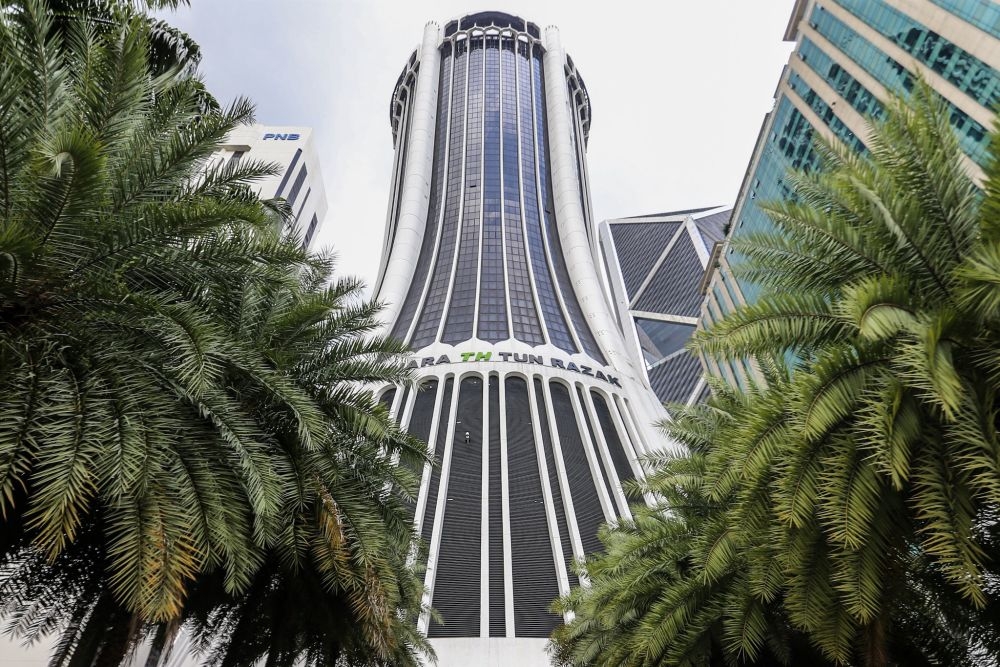
Malaysian enforcement authorities are coordinating intensified investigations into alleged misconduct at Tabung Haji following serious findings from a Royal Commission of Inquiry, signalling a decisive shift toward accountability in one of the nation's most significant Islamic financial institutions.
The Malaysian Anti-Corruption Commission (MACC), Royal Malaysia Police, and Inland Revenue Board (IRB) have collectively escalated their scrutiny of the hajj fund's operations, indicating that multiple regulatory pathways are being pursued simultaneously. This multi-agency approach reflects the gravity and complexity of the allegations, which span financial mismanagement, potential malfeasance, and tax compliance issues across the organisation's activities.
The RCI's conclusions appear to have provided enforcement agencies with a substantive foundation for their expanded investigations. Rather than operating in parallel, the three bodies are evidently coordinating efforts to ensure comprehensive coverage of suspected irregularities and to prevent duplication of work. This coordination mechanism is particularly important given Tabung Haji's scale and the interconnected nature of modern financial misconduct, which often encompasses corruption, criminal activity, and tax evasion simultaneously.
For Malaysian Muslims, particularly those who have saved or contributed to Tabung Haji for pilgrimage purposes, these investigations carry profound implications. The fund manages substantial sums collected from millions of individuals across the country, and any systemic misappropriation directly affects retirement savings and religious obligations. The RCI's exposure of irregularities has likely shaken public confidence in an institution designed to facilitate hajj participation while safeguarding contributors' financial interests.
The involvement of the IRB indicates that investigators are examining whether reported financial irregularities involved tax-related components. This could encompass unreported income, improper expense deductions, or schemes designed to obscure the true nature of transactions. Tax authorities' participation suggests the investigation extends beyond simple misuse of funds into potentially more elaborate financial engineering.
From a regional perspective, Malaysia's handling of the Tabung Haji matter has ramifications for Islamic finance governance across Southeast Asia. Many countries in the region operate similar hajj-related savings schemes, and the apparent institutional failures at Tabung Haji raise questions about oversight mechanisms within Islamic financial institutions. Investors and depositors throughout the region are likely watching how Malaysian authorities pursue accountability to assess the robustness of Islamic financial regulation regionally.
The RCI process itself represents a significant institutional mechanism for addressing systemic failures. By mandating a formal inquiry, the government signalled that conventional regulatory frameworks had proven insufficient to address Tabung Haji's accumulated problems. The subsequent enforcement agency mobilisation demonstrates that RCI findings serve not merely as investigative endpoints but as catalysts for prosecutorial action, establishing a clear chain from institutional fact-finding to law enforcement engagement.
Police involvement in the investigations suggests that criminal offences may be suspected beyond administrative or regulatory violations. Financial crimes, breach of trust, and potentially fraud charges could all fall within the police mandate, indicating the RCI may have uncovered evidence pointing toward criminal conduct rather than mere mismanagement or negligence.
The convergence of MACC, police, and IRB investigations also reflects Malaysia's broader anti-corruption architecture. The MACC's constitutional mandate to combat corruption and misconduct positions it as the coordinating agency in such multi-faceted investigations, though effective prosecution often requires law enforcement capacity and revenue authority expertise to establish complete evidentiary chains.
For Tabung Haji itself, the intensified investigations will likely necessitate additional governance reforms beyond those potentially implemented following the RCI process. Enhanced internal controls, independent oversight mechanisms, and structural changes to insulate decision-making from improper influence are probable outcomes. The institution faces both the immediate challenge of managing investigations and the longer-term task of rebuilding operational legitimacy and public trust.
The timeline and scale of the investigation remain unclear, but enforcement agencies will likely prioritise establishing whether irregularities were isolated incidents or symptomatic of systemic vulnerabilities. The former scenario might result in prosecutions of specific individuals, while the latter could precipitate more comprehensive institutional restructuring and leadership changes within Tabung Haji's governance hierarchy.
Stakeholders, including hajj pilgrims awaiting fund disbursements and those planning future contributions, will be closely monitoring investigative progress. The outcomes will potentially reshape how Tabung Haji operates, how contributions are managed, and what assurances can be provided regarding the safety and appropriateness of fund deployment.

