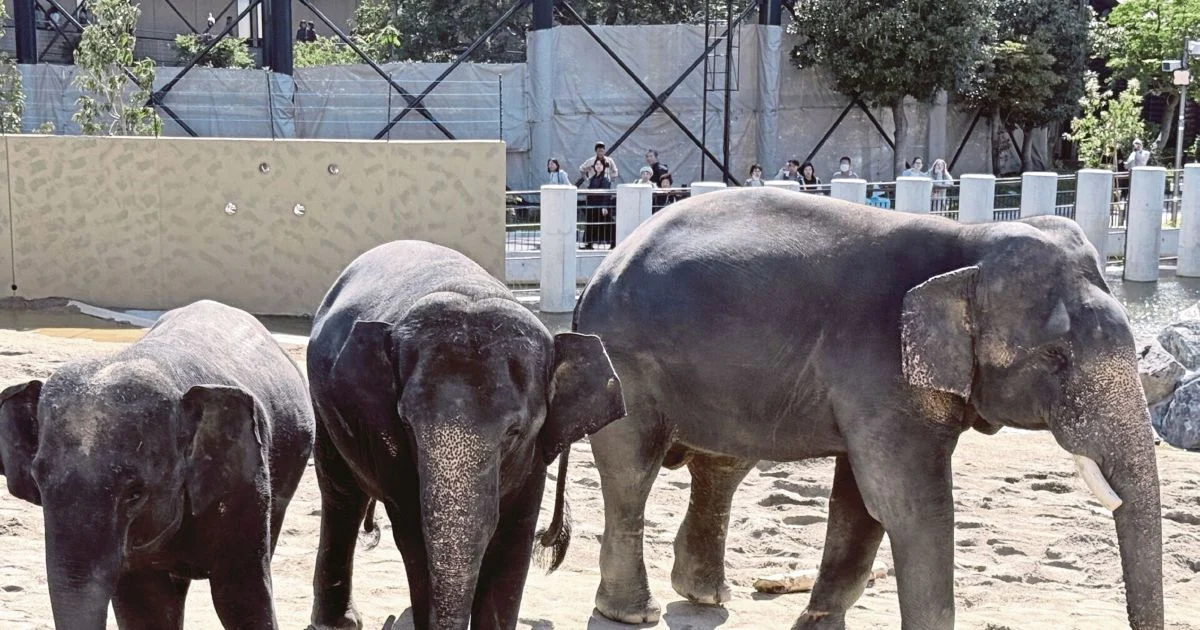
The Malaysian Anti-Corruption Commission has opened a formal inquiry into the circumstances surrounding the movement of three Asian elephants from Zoo Taiping in Perak to the Tennoji Zoo in Osaka, Japan. This development marks a significant moment in how authorities oversee international wildlife agreements and the protocols governing zoo animal transfers between nations.
The decision to investigate suggests government agencies are examining whether proper procedures were followed during the negotiation, approval, and execution of this cross-border animal relocation. Such transfers typically involve complex arrangements covering animal welfare standards, legal documentation, financial arrangements, and diplomatic coordination between countries. The MACC's involvement indicates potential concerns about the transparency and propriety of how this particular transaction was managed.
Zoo Taiping, located in Perak state, has long been one of Malaysia's most visited zoological facilities. The three elephants that were transferred represent significant assets of the Malaysian zoological heritage. International transfers of such animals normally require extensive vetting to ensure the destination facility meets international standards for animal care and welfare. The Tennoji Zoo in Osaka is an established institution in Japan with decades of operational history.
The transfer process for zoo animals involves multiple stakeholders and regulatory bodies. In Malaysia's context, this would typically include the Department of Wildlife and National Parks, state authorities, the zoo's management, and potentially the Ministry responsible for tourism and wildlife. Each entity plays a role in ensuring that transfers serve the animals' best interests while protecting Malaysia's interests and international standing regarding wildlife stewardship.
Malaysian readers should understand that zoo animal transfers are not merely administrative exercises. They carry implications for animal welfare, the conservation breeding programs in which these creatures participate, and the international reputation of Malaysia's commitment to biodiversity protection. The scrutiny being applied now reflects broader global attention to how nations handle their wild animal collections.
For Southeast Asia, elephant transfers between institutions have become increasingly sensitive topics. The region hosts the largest populations of Asian elephants, and there is growing awareness about welfare standards and the ethics of moving wild animals between facilities. Malaysia, as a significant conservation player in the region, faces expectations to maintain high standards in how it manages such decisions.
The investigation's scope likely encompasses several key areas: whether competitive bidding occurred for the animal transfer, if all relevant approvals were obtained before the move took place, whether financial arrangements were transparent and appropriately documented, and whether the health and welfare assessments of the three elephants were thoroughly conducted. These questions matter because they determine whether public institutions acted with integrity and in accordance with established regulations.
Zoo Taiping's role in this matter warrants examination as well. The zoo operates as a government facility under state jurisdiction, meaning decisions about its collection and animal movements should adhere to strict governance standards. Any deviation from proper procedures could represent a breach of public trust, particularly if financial interests influenced the decision-making process.
The timing of the MACC's inquiry reflects Malaysia's broader anti-corruption efforts. In recent years, the commission has expanded its remit beyond traditional corruption categories to examine the proper use of public resources and institutional accountability. Zoo animals constitute public assets, making their disposition subject to the same scrutiny applied to other government property transfers.
For international relations, this investigation carries implications. The transfer to Tennoji Zoo involved coordination with Japanese authorities. Any findings of irregularities in the Malaysian processes could affect how Japan and other nations view Malaysia's institutional reliability in future agreements involving shared resources or animal welfare initiatives.
Zoo staff, management, and veterinary personnel connected to the three elephants would likely feature in the investigation. Their professional records, communications regarding the transfer decision, and assessments of the animals' health prior to relocation would form important evidentiary materials. Such investigations often trace decision-making processes through internal emails, meeting minutes, and official correspondence.
The broader conservation community will monitor this inquiry closely. Malaysia hosts significant biodiversity and maintains important regional leadership in wildlife protection efforts. Instances where international animal transfers face scrutiny can either reinforce confidence in institutional oversight or raise concerns about governance lapses, depending on how the investigation unfolds and what it reveals.
For Malaysian taxpayers and citizens who support Zoo Taiping, this investigation offers accountability. Public institutions managing state resources must operate transparently and according to established rules. The MACC's involvement signals that proper procedures will be enforced and that any irregularities will face official consequence, thereby strengthening institutional integrity and public confidence in how government-managed facilities conduct their affairs.

