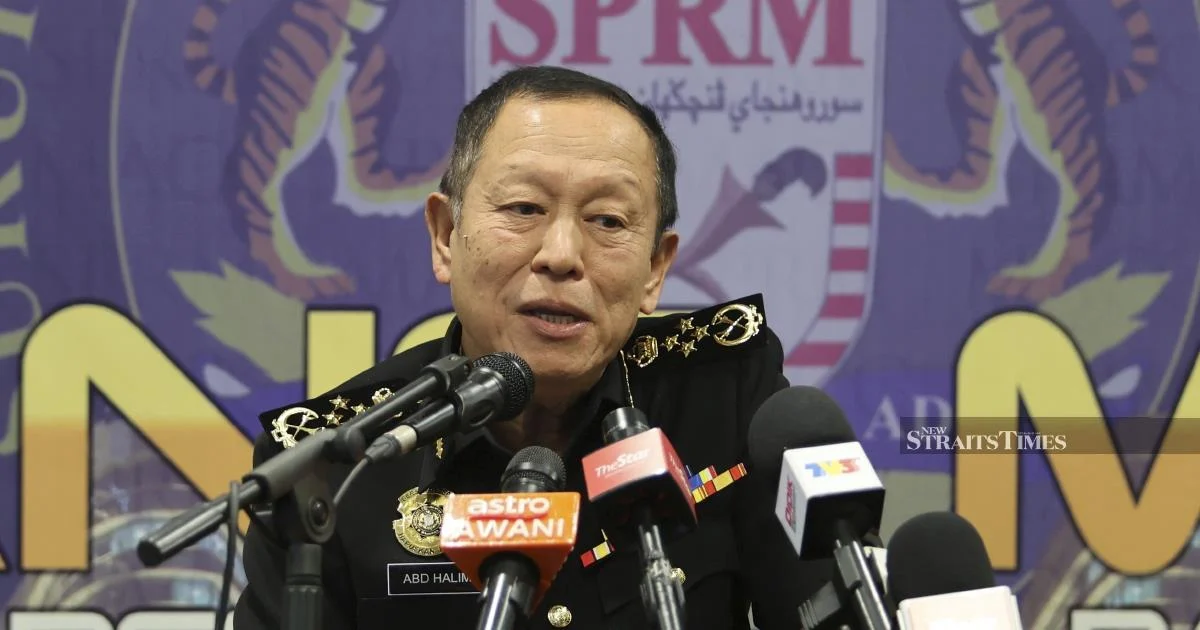
The Malaysian Anti-Corruption Commission has moved to dispel speculation about the status of its investigation into Low Taek Jho, the fugitive businessman at the centre of one of the country's most significant corruption scandals. Speaking from its headquarters in Putrajaya, the agency's leadership has confirmed that the case remains very much under active investigation and has never reached closure, despite the subject remaining at large for several years.
This reaffirmation comes amid ongoing international efforts to locate and apprehend Low, whose alleged involvement in the misappropriation of funds from 1Malaysia Development Berhad (1MDB) triggered a global financial reckoning. The magnitude of the 1MDB scandal fundamentally altered Malaysia's political and institutional landscape, leading to multiple prosecutions domestically and drawing international regulatory scrutiny from authorities across Asia, North America, and Europe. The affair became a defining moment in recent Malaysian history, precipitating the historic 2018 general election defeat of the Barisan Nasional government.
Low's continued evasion represents a persistent challenge to Malaysia's law enforcement and judicial system. Despite his absence from Malaysian soil, the investigation remains sufficiently resourced and directed to maintain momentum. The MACC's assertion underscores the commission's commitment to pursuing the matter comprehensively, suggesting that evidence gathering, analysis of financial transactions, and coordination with foreign law enforcement bodies continue behind the scenes. This sustained focus reflects the gravity that authorities attach to the 1MDB affair and their determination to leave no avenue of inquiry unexplored.
The timing of this official confirmation may carry particular significance. Over the years, as media coverage of the 1MDB scandal has shifted from the headlines to the inside pages, public perception of investigative progress has naturally waned. Speculation periodically emerges about whether various arms of the Malaysian state have deprioritised the hunt for Low or allowed their focus to drift. By publicly reiterating the investigation's ongoing status, the MACC appears to be addressing such assumptions directly and reasserting institutional resolve on the matter.
International cooperation constitutes a vital dimension of tracking Low's movements and assets. The United States Department of Justice has pursued parallel investigations, and several countries have implemented asset freezes targeting properties and accounts believed to be connected to the alleged misappropriation scheme. The global nature of the 1MDB scandal, with stolen funds traced across multiple jurisdictions and financial centres, means that Malaysian investigators must coordinate extensively with counterparts elsewhere. The MACC's continued operational engagement indicates that such channels of communication and cooperation remain functional and purposeful.
For Malaysian readers, the statement carries implications for broader perceptions of institutional credibility. Following the 2018 election transition, the new administration's handling of 1MDB-related matters drew considerable public attention and scrutiny. The country's anti-corruption efforts have been subject to varying assessments from international observers and domestic commentators. Confirming that the Jho Low investigation persists without pause demonstrates a continuity of commitment that transcends political transitions, suggesting that the commission views the case as a matter of institutional duty rather than political convenience.
The fugitive's international profile has evolved considerably since he first entered public consciousness through the 1MDB scandal. Low has been linked by investigative journalism to alleged appearances in various countries, though his current whereabouts remain uncertain. Reports have periodically surfaced claiming sightings in locales ranging from China to the Middle East, yet none have resulted in apprehension. This cat-and-mouse dynamic adds complexity to the investigative process, requiring authorities to assess reliability of intelligence while maintaining readiness to act should credible leads materialise.
Beyond the pursuit of Low himself, investigators continue examining the financial architecture through which 1MDB funds were diverted. These investigations have already yielded prosecutions of other individuals implicated in the scheme, including figures within the financial and corporate sectors. The Jho Low inquiry forms part of a broader reckoning with the 1MDB episode, encompassing parallel proceedings against former Prime Minister Najib Razak and various co-conspirators. The interconnected nature of these cases means that developments in one investigation frequently illuminate aspects of others.
For Southeast Asia more broadly, the 1MDB affair and the ongoing pursuit of Low represent a cautionary tale about transnational financial crime and the vulnerabilities that sophisticated criminals can exploit. Malaysia's efforts to bring Low to justice contribute to broader regional capacity-building in anti-corruption enforcement. The challenges encountered in tracking and prosecuting an international fugitive offer lessons relevant to law enforcement agencies throughout the region grappling with similar phenomena.
Moving forward, the MACC's confirmed commitment suggests that the investigation will persist until either Low's apprehension occurs or no further investigative avenues remain viable. Whether this ultimately results in his detention and prosecution, or whether the case eventually transitions to a different status, the Malaysian authorities appear determined to exhaust all available options. The statement from Putrajaya represents not merely a routine administrative confirmation but a reaffirmation of institutional commitment to addressing one of Malaysia's most serious financial crimes, regardless of the subject's fugitive status or the years that have elapsed since the scandal first erupted.

