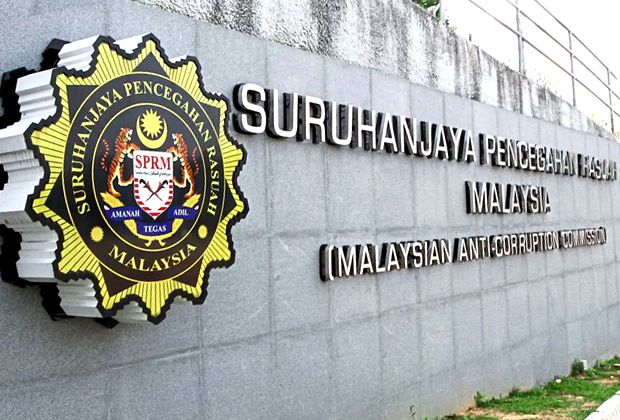
The Malaysian Anti-Corruption Commission (MACC) has reversed its earlier decision to freeze bank accounts belonging to Rohas Tecnic and its subsidiary HGPT, a manufacturer of power transmission and telecommunication towers, according to an announcement filed with Bursa Malaysia. The revocation orders, issued under Section 50(1) of the Anti-Money Laundering, Anti-Terrorism Financing and Proceeds of Unlawful Activities Act 2001 (AMLA), represent a significant development in what had been a months-long regulatory enforcement action against the group.
The lifting of these orders extends beyond the corporate entities to encompass personal bank accounts held by current and former officers of HGPT. This comprehensive release of frozen accounts signals that authorities have either completed their investigation or determined that the original grounds for the seizure were no longer applicable. Rohas Tecnic confirmed in its statement that all bank accounts previously subject to the seizure orders have now been unfrozen, effectively restoring the company's ability to conduct its banking affairs without restriction.
The sequence of events began on October 17, 2025, when Rohas Tecnic and its subsidiaries received initial freezing and seizure orders from the MACC. These orders were issued under multiple sections of AMLA—specifically Section 44(1) and Section 50(1)—and affected various bank accounts held by the parent company, HGPT, and another subsidiary, Rohas-Euco Industries Bhd (REI). The breadth of these orders at the time indicated that authorities were pursuing what they considered a substantial investigation into potential money laundering or unlawful activity.
A turning point came in late November 2025 when the regulatory landscape shifted in the company's favour. On November 25, 2025, REI received revocation orders issued directly by the MACC under Section 44A of AMLA, clearing that particular subsidiary. The following day, November 26, Rohas Tecnic and HGPT both received revocation orders issued by the Deputy Public Prosecutor, also under Section 50(1) of AMLA. This staggered approach to lifting the orders—first REI, then the parent company and its main subsidiary—suggests that authorities may have been addressing different legal bases or aspects of their investigation sequentially.
For Malaysian businesses operating in the capital-intensive power transmission and telecommunications infrastructure sectors, such enforcement actions carry substantial implications. When the MACC issues seizure orders under AMLA provisions, it effectively immobilises a company's working capital, making it impossible to pay suppliers, employees, or creditors without specific court authorization. For a manufacturing company like Rohas Tecnic, which likely maintains significant inventory and ongoing operational expenses, even a few months of account freezes can severely disrupt supply chains and contractual relationships.
The revocation of these orders now permits Rohas Tecnic to resume what the company describes as "normal operation of its banking facilities and business activities." This language suggests that the group had been operating under constraints during the seizure period, potentially managing through alternative financing arrangements or customer advance payments. The company's ability to return to unrestricted banking operations should facilitate its participation in ongoing projects and new business development without the complications of frozen accounts.
The AMLA provisions invoked in this case represent among the most powerful investigative tools available to Malaysian authorities in combating financial crimes. Section 44(1) permits the MACC to freeze accounts on suspicion of unlawful activity, while Section 50(1) allows for seizure and retention of funds. That authorities would apply these provisions, then subsequently revoke them, indicates either that preliminary investigations did not substantiate the initial concerns or that the company and its officers cooperated fully with the investigation, leading to the determination that continued asset freezing was unnecessary.
The involvement of the Deputy Public Prosecutor in issuing the revocation orders for Rohas Tecnic and HGPT, rather than the MACC itself, adds another layer to the narrative. This suggests that the matter may have progressed to prosecutorial review and that the relevant legal authorities determined that continuing to maintain the seizure orders was not justified under applicable law. Such decisions typically follow comprehensive case assessment and are not made lightly, particularly in high-value commercial matters.
For stakeholders in Malaysia's infrastructure and manufacturing sectors, this case serves as a reminder of both the reach of anti-corruption and anti-money laundering enforcement and the importance of maintaining robust compliance frameworks. While Rohas Tecnic's experience ultimately resulted in the restoration of its financial access, the interim period of frozen accounts would have created operational challenges and potential reputational concerns. The company's swift return to normal operations now depends on its ability to re-establish customer confidence and reactivate paused business initiatives.
The broader context within Malaysia's regulatory environment cannot be overlooked. The MACC, operating under strengthened powers following amendments to anti-corruption legislation in recent years, has demonstrated an increased willingness to pursue investigations into corporate entities and their officers. Cases such as Rohas Tecnic's highlight the agency's capacity to mobilize financial enforcement tools quickly, even as subsequent revocations demonstrate that Malaysia's legal system includes mechanisms to correct or terminate such orders when circumstances warrant.
Looking forward, this resolution allows Rohas Tecnic to focus on its core business of manufacturing power transmission and telecommunication infrastructure without the burden of frozen bank accounts. For Malaysian investors and international partners working with the company, the removal of these regulatory clouds should restore confidence in the organisation's financial stability and operational viability. The incident underscores the delicate balance between aggressive financial crime enforcement and the need to protect legitimate business operations from protracted disruption.

