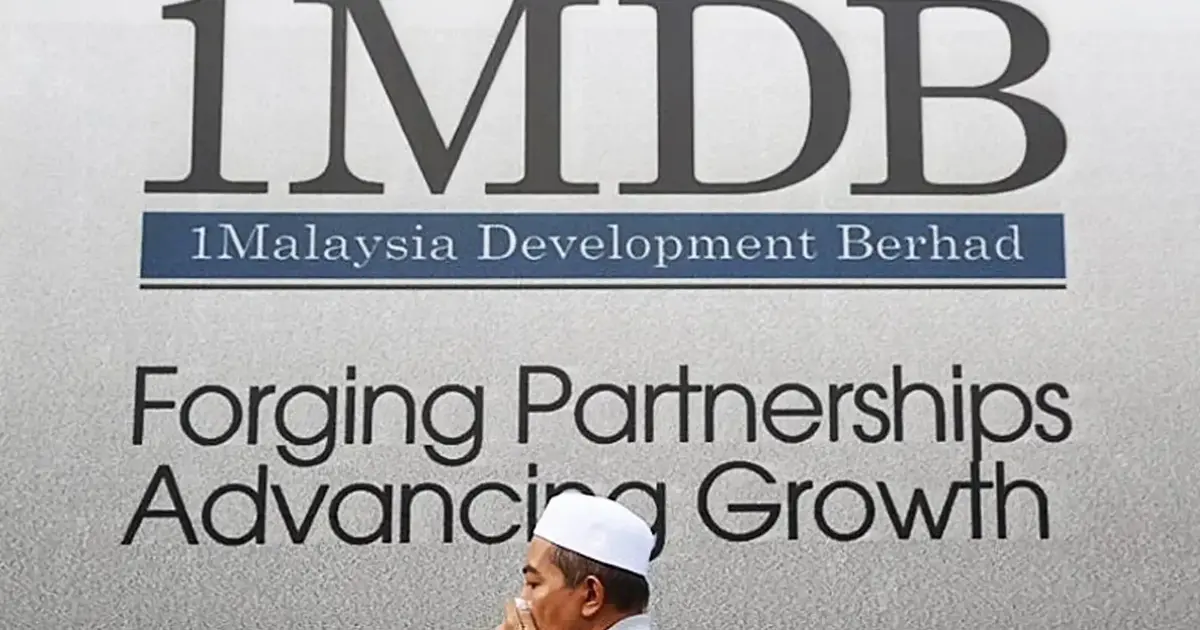
The Malaysian Anti-Corruption Commission has initiated a comprehensive investigation into a portfolio of overseas luxury properties estimated to be worth RM59 million, following fresh allegations that these assets may be traceable to the 1MDB financial scandal. According to MACC chief commissioner Abd Halim Aman, the agency is examining the properties through multiple enforcement angles, including potential corruption offences, money laundering activities, and asset recovery possibilities that could ultimately benefit the Malaysian state.
The decision to probe these holdings represents a renewed momentum in MACC's efforts to unravel the complex web of financial flows and asset acquisitions that characterised the 1MDB affair, one of the world's most notorious sovereign wealth fund scandals. Rather than treating this as a isolated case, authorities are positioning the investigation within the broader context of systematic wrongdoing and illicit capital movement that characterised the fund's misuse during its operational years. The scale of the alleged assets—RM59 million—underscores why Malaysian authorities continue to prioritise international asset recovery more than a decade after the initial fund establishment.
The specification of overseas locations for these properties adds significant complexity to MACC's investigative mandate. International asset tracing requires cooperation with foreign jurisdictions, coordination with global financial intelligence units, and navigation of varying legal frameworks across multiple countries. This dimension is particularly relevant for Malaysian readers, as successful recovery of such assets depends heavily on Malaysia's diplomatic relationships and the willingness of host nations to cooperate with Malaysian authorities in freezing and potentially repatriating funds suspected to originate from domestic corruption.
The 1MDB scandal, which unfolded over several years, saw approximately USD4.5 billion misappropriated from the fund, with investigations revealing an intricate network of shell companies, fraudulent transactions, and strategic placements of stolen wealth across multiple continents. The scandal triggered prosecutions across several jurisdictions, with senior Malaysian officials ultimately convicted and imprisoned. However, significant portions of the illicit funds remain difficult to trace or recover, making ongoing investigations like this one crucial for Malaysia's attempts to retrieve national assets.
MACC's explicit mention of corruption, money laundering, and asset recovery as investigative focuses suggests the agency is examining whether individuals illegally profited from 1MDB operations and subsequently deployed those gains to acquire premium international real estate. Money laundering investigations would seek to establish how dirty money moved through financial systems to appear legitimate, whilst asset recovery probes would identify legal pathways to retrieve misappropriated state resources. These parallel investigative tracks reflect international best practices in handling complex corruption cases.
The timing of this announcement carries significance for Southeast Asia's broader anti-corruption narrative. Malaysia has positioned itself as increasingly serious about tackling grand corruption and recovering stolen assets, particularly given the reputational damage the 1MDB scandal inflicted internationally. Renewed investigations signal to the global community that Malaysian authorities remain committed to accountability, though the extended timeframe between initial revelations and current property investigations illustrates how asset tracing remains painstakingly slow and resource-intensive.
For Malaysian taxpayers, the stakes in such investigations are direct and substantial. Every dollar or ringgit successfully recovered from illicit assets represents funds that could theoretically be redirected toward public services, infrastructure development, or debt reduction. The RM59 million in question, whilst representing only a fraction of the total 1MDB losses, would constitute meaningful revenue if recovered and properly managed by Malaysian authorities rather than remaining in private overseas holdings.
The investigation also reflects MACC's evolution in capability and scope. The agency has increasingly engaged in cross-border asset tracing and international cooperation, establishing relationships with foreign anti-corruption bodies and financial intelligence units. Success in identifying and recovering these alleged properties would demonstrate institutional maturation and capacity building within Malaysia's anti-corruption architecture. Conversely, if investigations stall or assets prove irretrievable, it would highlight ongoing limitations in Malaysia's ability to pursue transnational financial crime.
Regional observers note that Malaysia's experience with 1MDB has influenced anti-corruption approaches throughout Southeast Asia, with several neighbouring countries tightening oversight of sovereign wealth funds and implementing stricter beneficial ownership disclosure requirements. Malaysian authorities' continued pursuit of 1MDB-related assets contributes to this regional tightening of financial governance standards, potentially deterring similar schemes elsewhere in the region.
The investigation's outcome will likely take considerable time to materialise, as complex international financial investigations typically span years. During this period, MACC will need to balance transparency with operational security, maintaining public confidence in the process whilst protecting investigative techniques and ongoing inquiries. For the Malaysian public, patience alongside vigilance remains necessary as authorities pursue what may represent significant recovery of stolen national wealth.

