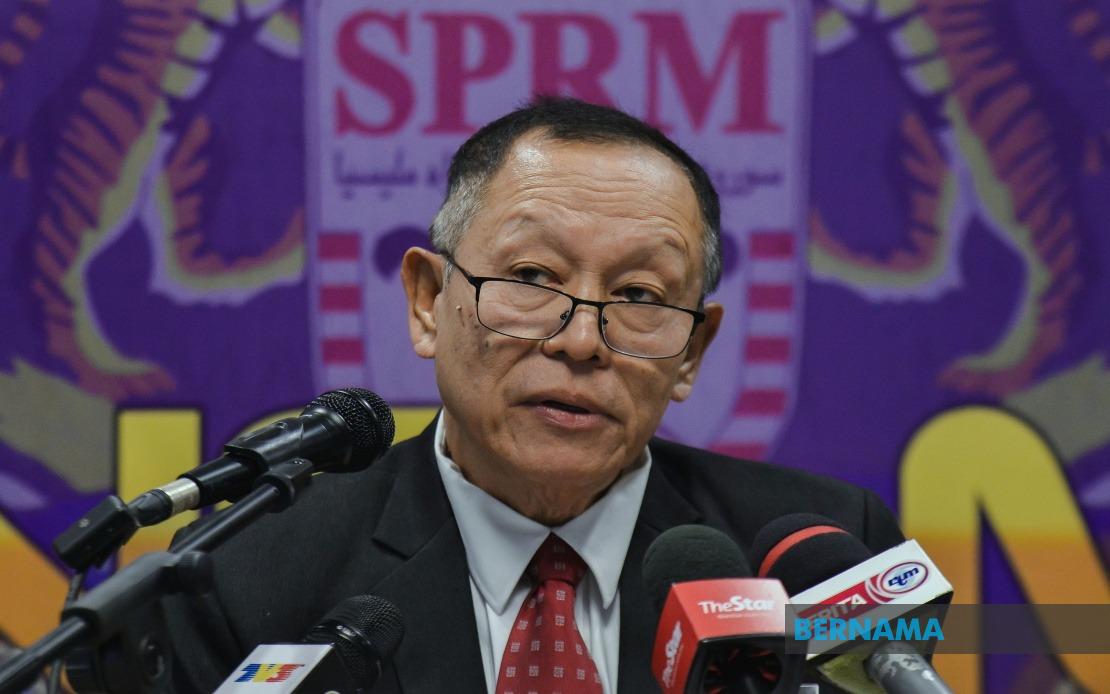
The Malaysian Anti-Corruption Commission has intensified its enforcement against widespread fraud within PERKESO's employment support scheme, launching Operation Daya to combat systematic abuse of the Daya Kerjaya 2.0 programme. The anti-graft body has initiated 81 investigation papers targeting 143 companies and individuals suspected of submitting false claims for employment incentives, resulting in detentions of 98 people and the loss of approximately RM9 million in public funds.
According to MACC Chief Commissioner Datuk Seri Abd Halim Aman, 77 of those detained are currently undergoing remand to facilitate investigations conducted under Section 18 of the MACC Act 2009. The operation spans the 2024–2025 period and involves scrutiny of 320 workers whose employment claims have come under suspicion. The scale of the initiative underscores the severity with which authorities are treating what appears to be a coordinated effort to exploit government employment assistance schemes that are designed to help vulnerable or disadvantaged workers gain meaningful employment opportunities.
The investigation has already yielded significant progress in building cases against suspects. The MACC has recommended 69 cases for prosecution involving agents, companies and individuals implicated in the scheme. One investigation paper remains active as authorities continue tracking a key suspect who has evaded capture, while five additional cases have been closed without further action due to insufficient evidence. This tiered approach reflects standard prosecutorial practice where investigators distinguish between cases with strong evidentiary foundations and those where leads have dried up or exculpatory evidence emerges.
The commission's investigative machinery has cast a wide net in gathering evidence and securing assets believed to be proceeds of the fraudulent scheme. Investigators have recorded formal statements from 724 individuals connected to the suspected fraud in various capacities. Financial forensics teams have frozen 36 company bank accounts containing RM463,076 that are suspected to contain misappropriated public funds, while additional assets including cash, gold and other valuables worth RM74,168 have been seized pending determination of their connection to the fraud network.
What distinguishes this case is the MACC's acknowledgment that systemic weaknesses within PERKESO itself facilitated the fraud, rather than treating the corruption as solely the product of criminal intent among external actors. Instead of pursuing enforcement action against PERKESO, the commission is adopting a collaborative governance improvement approach. MACC leadership has committed to deploying a dedicated team from its Governance Investigation Division to work with PERKESO on strengthening internal procedures, particularly those governing fund disbursement and recovery mechanisms.
The commission has identified institutional vulnerabilities in how PERKESO approves and processes incentive claims, contributing to an environment where fraudulent applications could slip through approval stages. Six investigation papers have been referred to MACC's governance examination division to conduct detailed analysis of PERKESO's practices, systems and operational procedures. This forensic governance review aims to identify precisely where approval processes broke down and why control mechanisms failed to catch obviously false or suspicious claims before funds were released.
Recognizing the seriousness of these institutional gaps, PERKESO has itself formally requested that the MACC station a dedicated Integrity Officer at the agency. Previously, PERKESO operated without embedded anti-corruption personnel, a gap that has now become apparent in light of the scale of fraud uncovered. The MACC has agreed to deploy an Integrity Officer to PERKESO imminently, creating a permanent liaison and advisory capacity dedicated to preventing future leakages of public funds and maintaining integrity standards within the organization's operations.
The MACC's approach in this case provides a valuable lesson for other government agencies managing substantial transfer programmes. Rather than simply investigating and prosecuting individual wrongdoers, the anti-corruption body is simultaneously strengthening the institutional architecture designed to prevent such abuses from occurring in the first instance. By combining enforcement against fraudsters with governance improvements at the source agency, authorities are attempting to address both the symptoms and underlying causes of the fraud.
For Malaysia's employment support ecosystem, this crackdown carries important implications. The Daya Kerjaya 2.0 programme is intended to provide genuine economic assistance to workers facing employment challenges, whether due to skill gaps, age discrimination or other labor market barriers. Systemic fraud that siphons resources into fictitious claims undermines the programme's legitimate beneficiaries and erodes public confidence in government employment initiatives at a time when such support is increasingly critical amid economic transitions.
The magnitude of the detected fraud—RM9 million across 143 companies—suggests this was not isolated opportunism but rather an organized scheme with multiple participants including agents, company operators and individuals working in concert. The involvement of agents indicates a structured ecosystem where intermediaries actively promoted fraudulent claims to companies in exchange for commissions, creating a full supply chain of corruption from conception through execution and claim submission.
This investigation arrives amid broader public sector accountability efforts in Malaysia. It demonstrates that anti-corruption institutions are actively monitoring transfer programmes and willing to pursue cases involving substantial sums regardless of the political sensitivities or institutional reputations at stake. The collaboration between MACC and PERKESO also sets a constructive precedent for how enforcement bodies and implementing agencies can work together to strengthen systems rather than devolve into defensive posturing when fraud is exposed.
Looking ahead, the success of this operation will depend on whether prosecutions proceed swiftly through the courts, delivering credible consequences that deter future fraud, and whether PERKESO's governance improvements take hold effectively. The deployment of an Integrity Officer and governance improvement programme represent important institutional strengthening measures, though their long-term effectiveness will require sustained commitment and adequate resourcing. For Malaysian policymakers overseeing other employment and welfare programmes, the Daya Kerjaya case offers both a cautionary tale about the risks of weak internal controls and a roadmap for how systematic fraud can be both investigated and prevented through coordinated institutional action.

