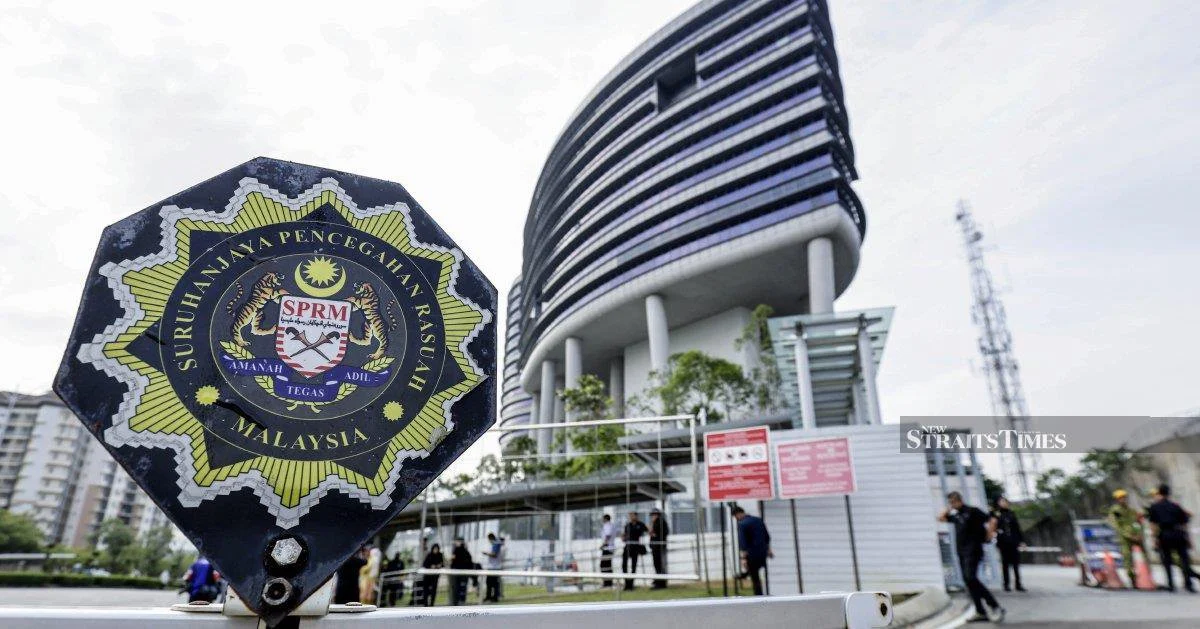
The Malaysian Anti-Corruption Commission has initiated a comprehensive examination of governance structures and procedural compliance within the Daya Kerjaya 2.0 employment incentive programme, targeting alleged fraudulent submissions totalling RM9 million. This investigation signals mounting concerns about how the scheme operates and the oversight mechanisms designed to prevent misuse of public funds allocated for worker development initiatives.
Daya Kerjaya 2.0 represents a significant government investment in Malaysia's human capital development, offering employers financial incentives to retain workers and boost productivity. However, the emergence of substantial fraud allegations suggests that administrative controls may be insufficient to detect and prevent dishonest claims before they consume taxpayer resources. The scope of the investigation reflects the seriousness with which authorities view potential systematic vulnerabilities rather than isolated incidents of misconduct.
The MACC's decision to examine governance weaknesses rather than focusing solely on individual wrongdoing indicates a strategic shift toward institutional accountability. Investigators will likely scrutinise how applications are processed, verified, and approved—identifying whether proper checks exist to validate employer claims and worker eligibility. This approach recognises that fraud often thrives in environments where procedures are unclear, documentation incomplete, or oversight capability insufficient.
For Malaysian businesses and employees, the investigation carries important implications. Legitimate employers participating in Daya Kerjaya 2.0 may face increased scrutiny during verification processes as the scheme tightens its procedures. Workers should also understand that their rights to employment benefits depend on the integrity of the claims their employers submit, making transparency in the application process essential for all stakeholders.
The RM9 million in disputed claims represents only what authorities have identified so far. The investigation's deeper examination of governance may reveal additional problematic transactions or systemic patterns that previously went undetected. Such findings would inform recommendations for strengthening administrative controls, potentially reshaping how the scheme operates going forward.
Regional observers have noted that employment incentive schemes across Southeast Asia face similar challenges balancing accessibility with fraud prevention. Malaysia's experience with Daya Kerjaya 2.0 may provide instructive lessons for neighbouring countries designing or refining their own worker development programmes. The MACC's methodical approach—examining both individual violations and underlying structural defects—offers a model for other anticorruption agencies managing compliance in large-scale government schemes.
The investigation timing is particularly significant given Malaysia's broader efforts to strengthen public sector integrity and corporate governance standards. Government initiatives to combat corruption have gained momentum in recent years, with the MACC increasingly empowered to probe not just criminal conduct but also systemic weaknesses that enable wrongdoing. Daya Kerjaya 2.0 now exemplifies this expanding mandate.
Stakeholders managing the scheme face pressure to demonstrate responsive stewardship. Program administrators must cooperate fully with investigators while simultaneously implementing interim controls to prevent further fraudulent claims during the probe. This dual responsibility—supporting investigation while protecting the scheme's continued operation—requires careful management and transparency.
The investigation highlights the tension between encouraging employer participation in government incentive schemes and protecting public funds from misuse. If verification requirements become too stringent, legitimate employers may abandon the programme; too lenient, and fraud opportunities multiply. The MACC findings will likely influence how this balance is reset, potentially establishing new standards for how Malaysian government employment programmes verify claims and authenticate beneficiary eligibility.
As authorities unpack governance weaknesses in Daya Kerjaya 2.0, the investigation serves a preventive function extending beyond the immediate fraud allegations. Recommendations emerging from the MACC examination will probably include revised administrative procedures, enhanced documentation standards, and strengthened monitoring capacity. These reforms could transform the scheme into a more resilient instrument for supporting Malaysian workers while establishing clearer expectations for employer conduct.
For the broader labour policy landscape, the Daya Kerjaya 2.0 investigation underscores that well-intentioned programmes require robust governance infrastructure to deliver genuine benefits. Government employment schemes depend on public trust; when fraud erodes that trust, political support for such initiatives weakens, potentially compromising future investments in worker development. The MACC's thorough examination of systemic vulnerabilities therefore serves not just immediate accountability purposes but also the longer-term sustainability of Malaysia's employment support framework.

