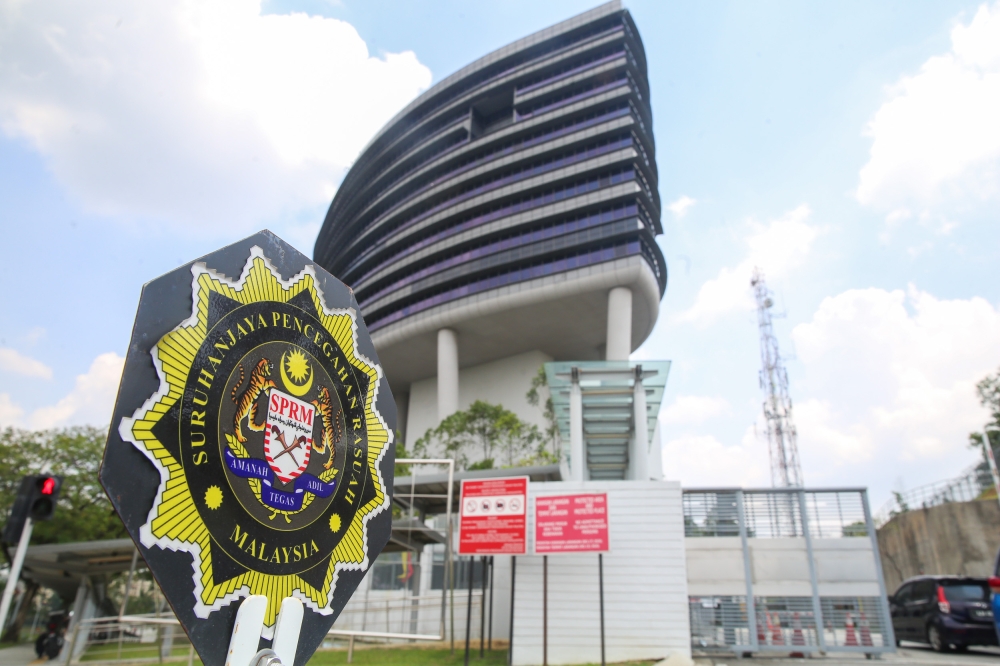
The Malaysian Anti-Corruption Commission is bolstering its technological arsenal to confront an emerging threat in corruption investigations: deepfakes and digitally manipulated evidence created through artificial intelligence. The agency's expansion of digital forensics capabilities marks a pivotal shift in how Malaysia's premier anti-graft watchdog approaches evidence authentication and investigative methodology in an increasingly complex digital landscape.
As artificial intelligence technology becomes more sophisticated and accessible, criminal actors and corrupt officials have begun exploiting these tools to fabricate incriminating evidence or discredit legitimate recordings. The emergence of synthetic media—videos and audio recordings that appear authentic but are algorithmically generated—presents unprecedented challenges for law enforcement agencies worldwide. MACC's proactive investment in detection and analysis infrastructure reflects the recognition that traditional forensic methods alone are insufficient to combat technologically sophisticated fraud and corruption schemes.
The commission's enhanced capabilities will enable investigators to determine whether digital files have been altered, identifying the specific techniques and tools used in manipulation. This technological competency is particularly crucial in Malaysia's context, where corruption investigations increasingly involve digital transactions, encrypted communications, and complex financial schemes that span multiple jurisdictions. As organised crime syndicates and white-collar criminals grow more technologically adept, MACC's laboratory capacity for authenticity verification becomes a critical institutional asset.
The implications for Malaysian jurisprudence are substantial. Courts currently rely on established methods for admitting digital evidence, but the proliferation of deepfake technology may necessitate legislative and procedural reforms. MACC's forensic findings could form the evidentiary foundation for prosecutions, but judges and prosecutors require reliable mechanisms to validate such evidence before presentation in court. The agency's capability development therefore extends beyond internal investigations to influence the broader criminal justice system's ability to handle technology-enabled corruption.
Regionally, Malaysia's investment aligns with similar initiatives across Southeast Asia, where governments grapple with balancing technological progress against its weaponisation by corrupt actors. Singapore, Thailand, and Indonesia have undertaken comparable digital forensics initiatives, creating opportunities for regional cooperation and knowledge sharing. MACC's advancement positions Malaysia as a capable participant in cross-border investigations where deepfakes or manipulated evidence may implicate multiple nations' officials or financial systems.
The technical challenges facing MACC's forensic specialists are formidable. AI-generated deepfakes are becoming exponentially more difficult to distinguish from authentic media as machine learning models improve. Detection requires sophisticated analysis of pixel-level artefacts, audio frequency patterns, and metadata inconsistencies—work demanding specialist training and expensive equipment. MACC's commitment of resources to this domain signals institutional recognition that digital evidence examination is no longer a supplementary investigative function but a core competency.
Beyond detection, MACC's expanded capability serves a deterrent function. Public awareness that the commission can identify manipulated evidence may discourage potential fraudsters from attempting sophisticated digital deception. The reputational cost of detection—alongside criminal sanctions—creates layered disincentives for deploying deepfake technology in corruption schemes. This deterrent effect potentially extends to public and private sector officials considering corruption, as the likelihood of technological exposure increases.
The initiative also addresses vulnerabilities in Malaysia's digital infrastructure. As government operations increasingly migrate online and officials communicate through digital channels, the attack surface for corruption expands. Deepfakes could be weaponised to compromise officials' reputations, coerce compliance, or misdirect investigations. MACC's forensic capacity provides institutional resilience against such manipulation, protecting both investigative integrity and the accountability mechanisms upon which institutional legitimacy depends.
However, significant challenges remain. The rapid pace of AI advancement may outstrip MACC's technical capabilities if investment is not sustained and prioritised strategically. Maintaining a specialist team requires competitive compensation to attract talent from private technology sectors where salaries are considerably higher. International cooperation agreements must be formalised to enable MACC to access comparative samples and collaborative expertise from other nations' forensic laboratories.
The broader policy question concerns how Malaysia will regulate AI development and deployment to prevent malicious applications while preserving technological innovation. MACC's forensic capacity addresses the detection side of the equation, but preventing deepfake creation through regulatory frameworks requires coordinated action across technology companies, government agencies, and educational institutions. Without complementary preventive measures, MACC's detection capabilities address symptoms rather than root causes.
Public sector capacity-building represents another consideration. Police agencies, prosecutorial offices, and judicial institutions require training to understand digital forensic evidence and its limitations. Expert testimony from MACC's laboratories must be clearly explained to juries and judges unfamiliar with technological minutiae. The commission's capability development therefore necessitates broader institutional literacy about digital evidence across the Malaysian justice system.
Looking forward, MACC's investment reflects institutional adaptation to contemporary corruption methods. As technology advances, so too must anti-corruption agencies' investigative tools and analytical capacity. Malaysia's anti-graft commission has positioned itself at the forefront of addressing technology-enabled fraud, establishing the forensic foundation upon which Malaysia's future corruption prosecutions may increasingly depend.

