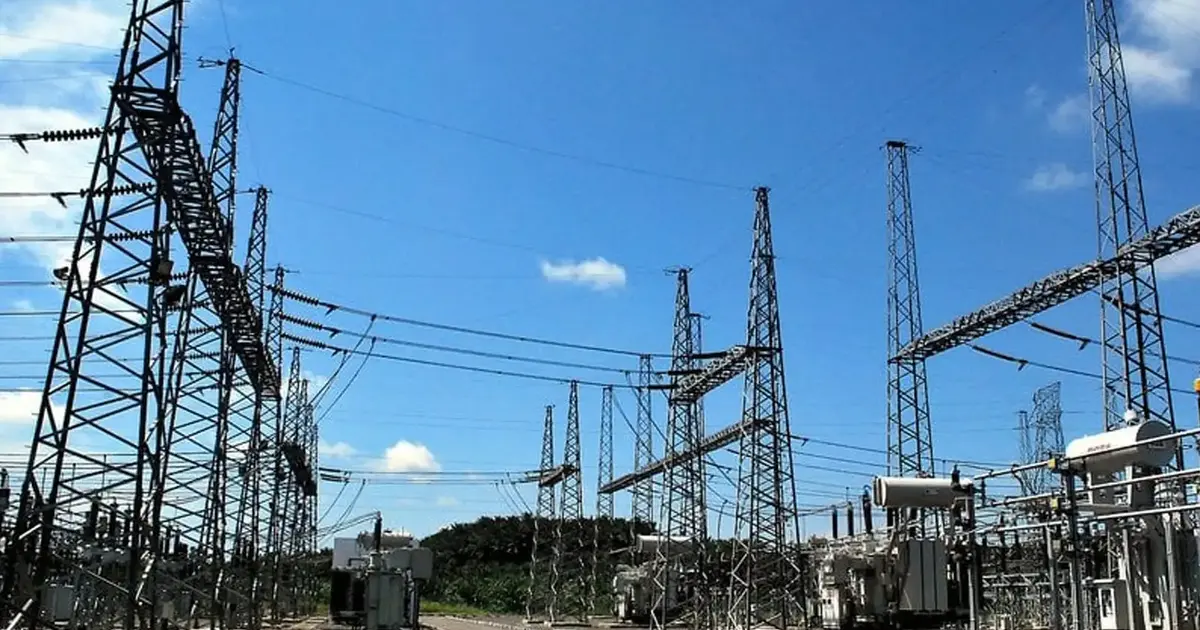
Rohas announced through a stock exchange filing that the Malaysian Anti-Corruption Commission has concluded its investigation into HG Power Transmission, with authorities determining that no further action is required and reversing the seizure orders that had been imposed during the inquiry.
The company's statement to Bursa Malaysia confirms the conclusion of what had been an extended probe into the operations of HG Power Transmission, a venture within the broader Rohas portfolio. The revocation of seizure orders represents a significant turning point for the company, which had operated under the constraints and uncertainties that such regulatory action typically imposes on business operations and financial flexibility.
The completion of the MACC investigation carries particular importance for Rohas investors and stakeholders who have monitored the company's regulatory standing throughout the inquiry period. Clearance from Malaysia's primary anti-corruption enforcement body provides the company with renewed credibility and operational certainty as it moves forward with its power transmission business strategy. The absence of charges or further investigative steps suggests the MACC found insufficient evidence to sustain any misconduct allegations.
For Malaysian listed companies, MACC investigations can create substantial operational friction. Beyond the direct legal implications, such probes often generate market uncertainty, complicate corporate decisions around capital allocation, and create reputational concerns that extend beyond the immediate investigation period. The conclusion of this inquiry removes those headwinds for Rohas.
The timing of this announcement carries significance within Malaysia's corporate governance environment. As regulatory scrutiny of listed companies has intensified in recent years, particularly concerning transparency and proper conduct standards, the resolution of investigations becomes newsworthy for the broader business community. Rohas's case represents one of the periodic checkpoints through which authorities assess whether companies meet expected standards of operation.
HG Power Transmission's status as a focus of MACC attention had earlier cast shadows over Rohas's activities in the energy infrastructure sector. Power transmission ventures typically involve substantial government contracts and regulatory relationships, making them particularly sensitive to compliance scrutiny. The conclusion of this investigation without adverse findings strengthens Rohas's position in pursuing further opportunities within the energy and infrastructure landscape.
The seizure orders that have now been revoked had effectively frozen certain assets and restricted the company's ability to freely deploy capital or execute certain contractual obligations. Lifting these restrictions restores full operational capability to HG Power Transmission and allows Rohas management to pursue strategic initiatives that may have been constrained during the investigation period.
This development also carries implications for Rohas's stakeholders beyond merely concluding a regulatory matter. Board confidence, investor sentiment, and employee morale all benefit from regulatory clearance. Companies operating under investigation experience subtle but real constraints on their ability to attract financing, negotiate complex contracts, and retain talented personnel—particularly in senior management positions where regulatory risk tolerance is lower.
The conclusion of the MACC inquiry reflects Malaysia's evolving approach to corporate investigations. Rather than resulting in prosecution or sustained enforcement action, this outcome demonstrates the investigative process working through to a resolution that finds no basis for further action. Such conclusions, while less headline-generating than charging decisions, represent the ordinary functioning of the compliance environment and reinforce that not all investigations result in enforcement outcomes.
For the broader energy sector in Malaysia, Rohas's regulatory clearance may also influence investment confidence and the appetite among other companies and financial institutions to engage with power transmission ventures. Regulatory certainty around established players facilitates the capital flows and contractual relationships that infrastructure development requires.
Moving forward, Rohas can present itself to investors and potential business partners as having successfully navigated significant regulatory scrutiny. The company's compliance and governance frameworks, which underwent implicit validation through the investigation's conclusion, become selling points for a business pursuing contracts and relationships within Malaysia's regulated infrastructure sector.
The revocation of seizure orders provides Rohas with immediate practical benefits alongside the intangible advantages of regulatory clearance. The company can now redeploy previously frozen assets toward operational requirements or strategic investments without the legal complications that seizure orders impose. This restoration of asset mobility represents a material improvement in the company's financial flexibility and operational prospects.

