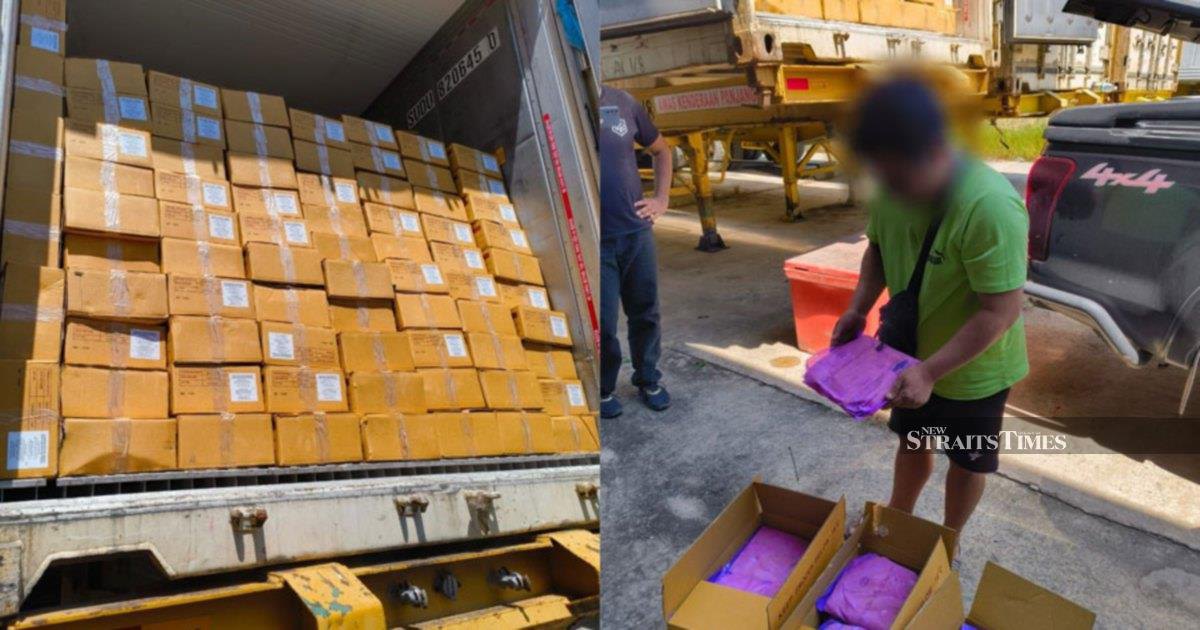
The Malaysian Anti-Corruption Commission (MACC) has successfully dismantled an organised syndicate engaged in the large-scale illegal importation of frozen chicken products from China into Sabah, marking a significant enforcement action against both corruption and illicit food trafficking in the state.
The operation, which has now been neutralised following months of investigation, represents a complex web of corruption involving officials at various checkpoints and importers who conspired to circumvent regulatory controls. The syndicate's activities raise serious questions about food safety standards and the integrity of supply chains in the region, particularly when substandard or prohibited poultry products could infiltrate local markets and potentially reach Malaysian consumers.
Such smuggling networks typically operate through a combination of corrupt government officials who facilitate documentation fraud, customs collusion, and enforcement agency negligence. The involvement of state-level operatives suggests systemic vulnerabilities in border security and port operations that criminal elements have been able to exploit for financial gain.
Sabah's strategic location as an entry point for goods from neighbouring countries makes it particularly susceptible to smuggling operations. The state's multiple ports and border crossings provide numerous opportunities for criminal syndicates to move contraband with minimal detection, especially when corruption is embedded within the very agencies tasked with prevention. The MACC's intervention in this case underscores the commission's expanded mandate to tackle corruption that enables organised crime and illegal trade.
Frozen chicken imports have long been an area of regulatory concern in Malaysia due to the combination of protectionist policies, quality control standards, and price controls that govern the local poultry industry. Illegal imports undercut licensed importers, disrupt market pricing, and pose potential food safety risks if the products originate from non-certified sources or breach quarantine requirements. The involvement of Chinese suppliers in this case indicates sophisticated international trade connections that organised syndicates maintain across border regions.
The dismantling of this network sends a message to other illegal traders and corrupt officials that such activities face serious investigation and consequences. MACC's capacity to uncover and prosecute these complex schemes depends on rigorous financial forensics, surveillance operations, and willingness to pursue officials across multiple agencies and jurisdictions. The case demonstrates that corruption within enforcement bodies is a critical enabler of smuggling rather than merely a supplementary factor.
For Malaysian consumers and legitimate importers, the disruption of such syndicates improves market integrity and reduces the circulation of potentially dangerous food products. Illegal frozen chicken imports often originate from sources that have not undergone proper veterinary certification, inspection, or temperature-controlled shipping, creating cumulative health risks. By the time such products reach retail or food service establishments, authorities have limited visibility into their provenance or handling history.
The MACC's action also reflects growing recognition across Malaysian law enforcement that corruption and organised crime are deeply interconnected phenomena. Traditional anticorruption work focusing solely on bribery or embezzlement misses the broader criminal ecosystem that corrupt officials enable. By targeting syndicates, the MACC adopts a more comprehensive approach that addresses both the corruption angle and the underlying illegal trade.
Sabah authorities will likely increase scrutiny on poultry supply chains and re-examine how frozen food imports are documented and inspected at entry points. The state government may also review personnel practices and implement additional integrity checks within agencies responsible for border and port management. Such administrative changes, while important, require sustained commitment and adequate resourcing to remain effective.
The case also highlights vulnerabilities in Malaysia's broader food import control system, where the coordination between Veterinary Services Division, Customs, the Ministry of Domestic Trade and Cost of Living, and state-level authorities can sometimes prove inconsistent. Syndicates often exploit gaps between agencies or jurisdictional ambiguities to move contraband with minimal obstruction. Strengthening inter-agency communication and establishing clearer protocols for frozen food inspections would help prevent similar operations in future.
Regionally, such smuggling networks often operate across multiple Southeast Asian countries, with complex supply chains that move goods through various transit points. The disruption in Sabah may prompt similar investigations in neighbouring jurisdictions, particularly if the syndicate maintained connections beyond Malaysian territory. International coordination in food safety and border enforcement remains an underdeveloped area in Southeast Asia, despite obvious benefits.
Longer term, Malaysia's domestic poultry industry faces structural pressures from price control policies and import restrictions that create economic incentives for illegal alternatives. While illegal trade must be suppressed, policymakers should also consider whether existing regulations inadvertently encourage smuggling by distorting market prices. The MACC's enforcement success, while welcome, cannot alone address underlying policy drivers that make illegal importation economically attractive to criminal entrepreneurs.
The successful conclusion of this investigation reinforces public confidence in MACC's anti-corruption mandate and demonstrates capacity to pursue complex, multi-agency cases requiring sophisticated investigative techniques. As organised crime increasingly intertwines with corruption across Southeast Asia, such enforcement actions remain critical to maintaining regulatory integrity and public safety.

