The Malaysian Anti-Corruption Commission (MACC) is set to lead a major gathering of Southeast Asia's leading anti-graft agencies this week, underscoring the country's pivotal role in the region's fight against corruption. The 22nd ASEAN Parties Against Corruption (ASEAN-PAC) Secretariat Meeting will take place in Melaka from July 28 to 30, drawing officials from a broad coalition of enforcement bodies committed to dismantling corrupt practices across the region's borders.
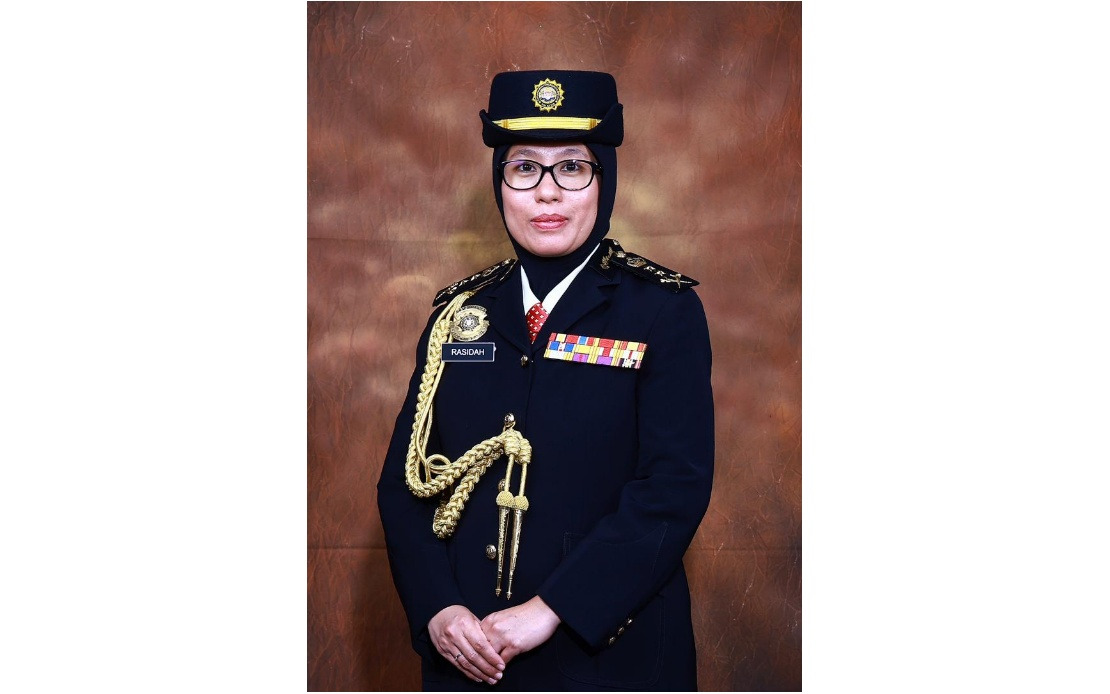
The three-day conference will be formally inaugurated by MACC Chief Commissioner Datuk Seri Abd Halim Aman, reflecting the significance Malaysia places on this biennial gathering. According to Datuk Rasidah Abdul Karim, director of MACC's Policy, Planning and Research Division, the event represents the second major regional forum organised by Malaysia since assuming the ASEAN-PAC chairmanship for the 2025 to 2026 term, demonstrating the country's sustained engagement with regional anti-corruption architecture.
The meeting brings together anti-corruption heads and representatives from all ten ASEAN member states plus Timor-Leste, which formally joined ASEAN-PAC just last year. This unified participation signals the bloc's collective determination to address corruption as a transnational challenge requiring coordinated action. The attendees will include delegations from Brunei, Cambodia, Indonesia, Laos, Malaysia, Myanmar, the Philippines, Singapore, Thailand, Vietnam and Timor-Leste, each bringing institutional expertise and insights from their respective enforcement landscapes.
Beyond the ASEAN family, the gathering has attracted participation from heavyweight international institutions, including the International Association of Anti-Corruption Authorities (IAACA), the United Nations Office on Drugs and Crime (UNODC), and the Organisation for Economic Co-operation and Development (OECD). The presence of the Asian Development Bank (ADB) and the Perdana International Anti-Corruption Champion Foundation (PIACCF) further broadens the forum's reach, creating space for knowledge transfer between regional and global anti-corruption frameworks.
The meeting's agenda pivots on identifying and analysing emerging corruption vulnerabilities that transcend national borders. Delegates will exchange experiences in enforcement strategies, evaluate innovative investigative methodologies, and review successful prevention models that have yielded measurable results. This exchange mechanism proves essential for developing economies and smaller nations that may lack the institutional capacity or technological infrastructure to counter sophisticated cross-border financial crimes independently. By pooling knowledge and experiences, member agencies can accelerate their learning curves and adapt proven solutions to their own contexts.
Capacity building stands as another cornerstone of the three-day programme. Regional disparities in training resources, prosecutorial expertise, and institutional development mean that collaborative forums provide invaluable opportunities for upskilling personnel across the bloc. By establishing mechanisms for sustained capacity transfer, ASEAN-PAC member states can work towards greater harmonisation of standards and practices, creating a more cohesive regional framework that criminals find harder to exploit through jurisdictional arbitrage.
A dedicated seminar addressing integrity in major infrastructure projects will form a centrepiece of discussions. This thematic focus responds to a critical vulnerability in the region: large-scale development initiatives often become conduits for corrupt practices, from bid-rigging to inflated contracts and illicit commission networks. By convening expertise around governance mechanisms and corruption risk mitigation in infrastructure delivery, the forum addresses one of the most consequential sources of public resource leakage across Southeast Asia. The seminar will explore how procurement transparency, oversight mechanisms, and institutional checks can safeguard megaprojects from infiltration by criminal networks.
The deliberations will culminate in reinforcing commitment to international anti-corruption frameworks whilst strengthening institutional accountability mechanisms across member states. This dual focus—adhering to global standards whilst building contextually appropriate enforcement capacity—represents the pragmatic approach ASEAN-PAC has developed over two decades of operation. The emphasis on transparency, integrity, and good governance echoes the Sustainable Development Goals, positioning anti-corruption work as integral to broader development priorities.
Beyond the formal sessions, organisers have scheduled cultural programmes that serve a subtle diplomatic function. Such hospitality initiatives foster personal relationships among enforcement leaders, creating informal networks through which intelligence can be shared and inter-agency cooperation deepened. These professional bonds often prove instrumental when agencies must collaborate on cross-border investigations or coordinate asset recovery efforts. The programme thus recognises that effective regional governance depends not merely on formal protocols but on relationships of trust built through sustained engagement.
Malaysia's role as chair reflects the country's institutional maturity in anti-corruption work and its geographic position as a nexus for regional commerce and finance. By hosting this significant gathering, the MACC signals Malaysia's commitment to defending the integrity of regional economic systems against predatory corruption networks. For Malaysian stakeholders—from investors concerned about governance standards to citizens vigilant about public resource stewardship—the successful coordination of anti-corruption efforts across ASEAN holds direct relevance to the quality of institutions and investment climate at home.
The meeting demonstrates how regional organisations can function as force multipliers in the fight against corruption, compensating for the limitations of individual nation-state enforcement efforts. As globalised criminal networks adapt and evolve, the coordination mechanisms ASEAN-PAC develops become increasingly vital to maintaining institutional credibility and protecting economic opportunity. This Melaka gathering thus carries implications extending far beyond Malaysia's borders, shaping the anti-corruption architecture that will govern regional commerce and governance in coming years.

