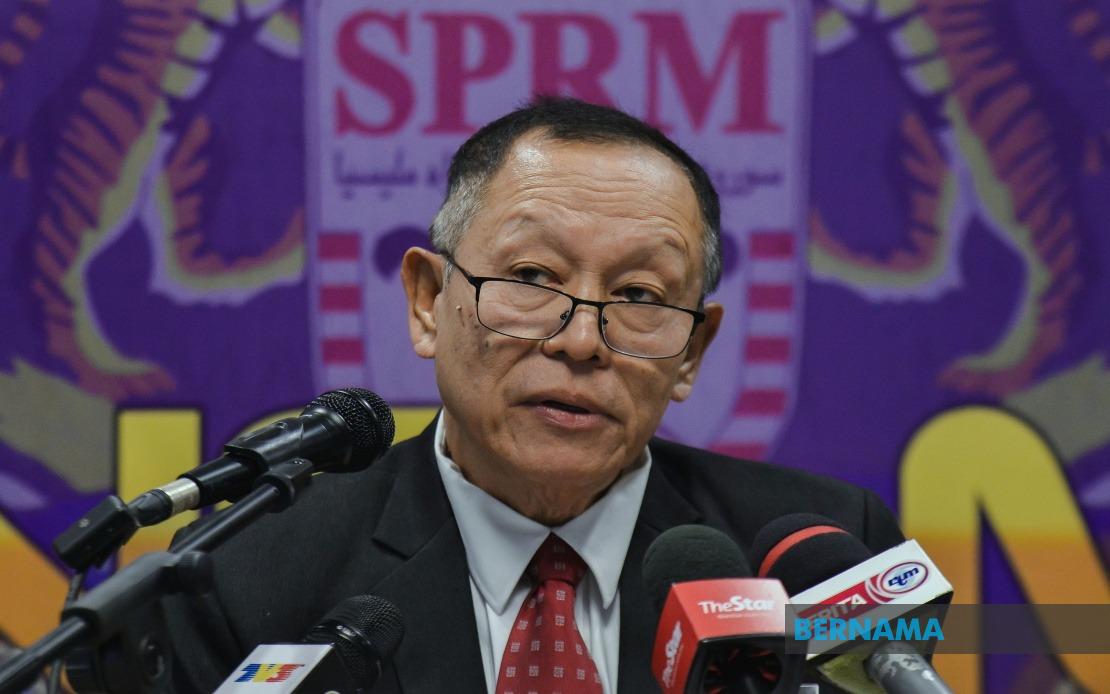
The Malaysian Anti-Corruption Commission (MACC) has wrapped up an intensive four-day interrogation of a former chief financial officer linked to a controversial RM370 million plantation share acquisition, a transaction that has become the focal point of a separate royal commission investigation into the governance of Lembaga Tabung Haji. MACC chief commissioner Datuk Seri Abd Halim Aman announced in Putrajaya that the questioning concluded on Wednesday evening, marking what investigators describe as the final phase of statement recording from the individual whose role gave him intimate knowledge of the contested transaction.
The probe centres on allegations that officials abused their authority when Tabung Haji invested heavily in shares within two plantation companies during a period when the pilgrimage fund faced mounting financial pressures. The RM370 million figure represents a substantial commitment of financial resources from an institution mandated to manage savings earmarked by Malaysian Muslims preparing for the hajj pilgrimage. The timing and rationale for such an investment, particularly when alternative, less risky options existed for deploying capital, raised immediate concerns within regulatory circles and prompted formal inclusion in the recent Royal Commission of Inquiry report examining Tabung Haji's operational and financial governance.
According to Datuk Seri Abd Halim's statement, the questioning sessions spanned four consecutive days, with the final interview extending until 6.30 pm on the day of conclusion. This extended timeframe suggests the complexity of the transaction and the multiple documentary layers investigators needed to examine. The intensity of the interrogation indicates that MACC has prioritised this matter within its broader portfolio of corruption investigations, dedicating substantial human and temporal resources to establishing the factual basis for potential abuse-of-power charges.
The 60-year-old former CFO, along with the company's ex-chief executive officer, had presented themselves at MACC headquarters on Tuesday to provide voluntary statements. In Malaysia's anti-corruption investigative protocol, such presentations by suspects can either expedite proceedings or signal attempts at cooperation; however, the commission's decision to extend questioning across four days suggests investigators identified discrepancies or gaps requiring clarification. The sequential engagement of both the former CFO and the ex-CEO indicates that MACC is constructing a narrative of decision-making that implicates multiple senior figures in the transaction approval process.
The plantation sector connection deserves particular attention for Malaysian investors and policymakers. Share acquisitions in plantation companies often attract scrutiny because valuations can be subjective, market conditions volatile, and strategic rationale sometimes opaque to outside observers. For a pilgrimage fund—an institution with specific mandates centred on safe-keeping rather than aggressive investment strategies—such concentrated exposure to plantation equity appears incongruent with prudent fiduciary practice. The alleged abuse of power suggests that those authorising the purchase may have exceeded their legitimate discretionary authority or acted contrary to established governance frameworks.
Tabung Haji's financial trajectory over recent years has become a significant policy concern within Malaysia's regulatory ecosystem. The institution manages approximately RM100 billion in assets belonging to millions of Muslim Malaysians, making governance failures at this entity of national consequence. Investigations into alleged mismanagement, including through questionable investments, carry implications extending beyond corporate accountability into public trust and religious institutional credibility. Any finding that senior executives exploited their positions to commit such transactions would fundamentally undermine confidence in the fund's leadership and necessitate systemic remedial reforms.
The Royal Commission of Inquiry report that identified this transaction provides external validation of concerns that prompted MACC's criminal investigation. RCI reports on major state institutions typically undergo rigorous evidentiary review before final release, lending credibility to allegations they subsequently contain. By formalising such concerns within a royal commission's recommendations, the government signalled that serious governance questions warranted criminal prosecution consideration. MACC's investigation now transforms these governance concerns into potential criminal culpability for named individuals.
For Malaysian pension funds, investment vehicles, and other financial institutions managing public resources, this case establishes an instructive precedent. Directors and senior executives face real legal jeopardy when they deploy institutional capital in transactions lacking clear strategic justification or that deviate from established governance protocols. The four-day interrogation and continued investigation send a clear message that MACC will pursue corruption allegations involving major financial institutions with determination and thoroughness. This approach strengthens the anti-corruption enforcement ecosystem across Malaysia's financial sector.
The investigation's trajectory now moves toward probable charging decisions or requests for additional investigation phases. Once MACC completes its legal analysis of the recorded statements and supporting documentation, the commission will determine whether sufficient evidence exists to support criminal charges under the Malaysian Anti-Corruption Commission Act 2009 or related statutory provisions. The outcomes from this high-profile investigation will likely influence how other financial institutions approach investment decisions going forward, particularly regarding transactions that might attract regulatory scrutiny or deviate from conservative fiduciary benchmarks.

