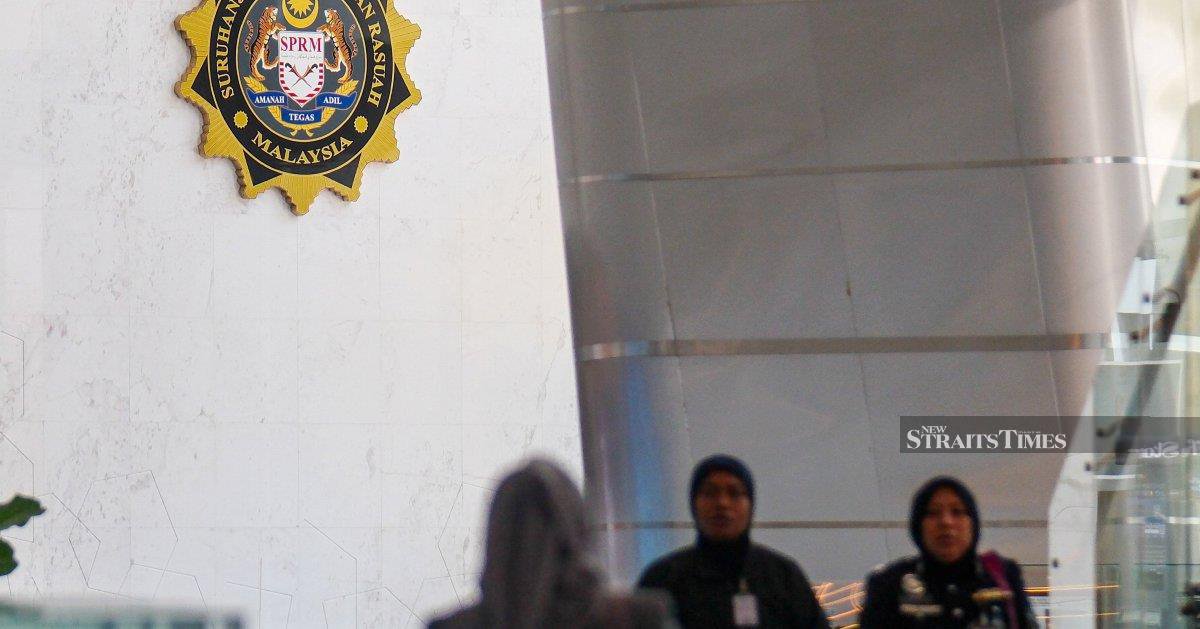
The Malaysian Anti-Corruption Commission (MACC) has moved decisively to expand its investigation into irregularities at Tabung Haji, arresting three additional individuals in connection with alleged misappropriation linked to penalty notice charges totalling around RM450,000. The arrests represent an escalation in the anti-graft agency's response to findings detailed in the Royal Commission of Inquiry report examining governance and financial management at the pilgrimage savings institution.
These latest detentions follow the MACC's broader examination of the RCI report on Tabung Haji, which has already yielded enforcement action against other parties. The investigation centres on what authorities characterise as irregularities surrounding Notice of Penalty (NOP) charges, administrative enforcement mechanisms used by the institution. The specific allegations involve misappropriation—a serious crime encompassing misuse or unauthorised diversion of funds—suggesting potential breaches of fiduciary duty or criminal breach of trust by individuals entrusted with the organisation's finances.
Tabung Haji, Malaysia's Islamic pilgrimage savings scheme, operates under significant public scrutiny given its critical role in facilitating millions of Muslims' journeys to the Hajj. The institution manages billions in savings and investments on behalf of account holders, many of whom are middle-income Malaysians for whom the accumulated funds represent years of dedicated saving. Any misappropriation at this scale erodes public confidence and raises questions about internal controls and oversight mechanisms tasked with protecting depositors' interests.
The RCI investigation itself was prompted by longstanding concerns about Tabung Haji's governance structure, investment practices, and financial transparency. The commission's findings apparently revealed sufficient evidence of misconduct to trigger follow-up enforcement action by the MACC, Malaysia's lead anti-corruption body. The focus on penalty notice procedures suggests authorities are examining whether administrative processes designed for legitimate enforcement purposes were exploited, misused, or manipulated to channel funds improperly.
The RM450,000 figure cited in the investigation provides a concrete measure of the alleged financial loss or misappropriation involved. While not enormous in absolute terms relative to Tabung Haji's overall asset base, the quantum demonstrates systematic irregularity rather than isolated accounting error. The specificity of this amount suggests forensic investigators have traced particular transactions and documented the flow of funds through institutional accounts, building a documentary foundation for prosecution.
MACC's rapid progression from the RCI findings to multiple arrests indicates the investigation has likely uncovered a pattern of misconduct rather than one-off incidents. The involvement of multiple individuals suggests possible coordination or systemic weakness in oversight that allowed several people to exploit gaps in controls. This raises fundamental questions about whether Tabung Haji's governance structure, board-level supervision, and internal audit functions are adequate to detect and prevent such irregularities.
For Malaysian pilgrims and Tabung Haji account holders, these developments carry direct implications. Confidence in the institution's financial stewardship is paramount; any perception that funds are mismanaged or misappropriated could accelerate account closures and undermine the scheme's ability to operate effectively. The government and Tabung Haji's leadership must balance transparent accountability for past failures with reassurance about enhanced safeguards protecting current and future deposits.
The investigation also underscores broader governance challenges facing Malaysia's statutory bodies and government-linked entities. These institutions often operate with significant autonomy but face variable oversight, creating environments where determined individuals can exploit procedural gaps. The Tabung Haji case, combined with previous investigations into other GLCs and statutory authorities, suggests systemic vulnerabilities in Malaysia's public institutional architecture that warrant comprehensive review and reform.
From a regional perspective, the case reflects challenges common across Southeast Asia where rapid institutional growth and substantial asset accumulation can outpace governance maturity. As societies transition toward more sophisticated financial systems and larger public-sector entities manage greater resources, the capacity for both honest error and deliberate misconduct expands proportionally. Countries across the region are grappling with similar tensions between institutional autonomy and accountability.
The MACC's enforcement action demonstrates the commission's determination to investigate high-profile cases involving public institutions, notwithstanding political sensitivities that such investigations sometimes entail. The RCI mechanism itself—establishing a dedicated commission to examine specific institutional failures—reflects recognition that ordinary oversight channels may be insufficient for comprehensive review of complex organisations. The follow-up enforcement action validates the RCI's legitimacy as an investigative tool.
Government statements and Tabung Haji's board responses will be closely monitored as further details emerge. Beyond the criminal dimension, institutional reforms are likely necessary to prevent recurrence. These might encompass strengthened internal audit functions, enhanced board-level financial oversight, improved segregation of duties within finance departments, and more rigorous external auditing arrangements. The case will probably catalyse broader discussions about governance standards for pillar institutions managing public savings.
As investigations progress toward potential prosecution and trial, the judicial process will ultimately determine culpability and appropriate sanctions. However, the underlying institutional failures that permitted alleged misappropriation merit equal attention. Restoring public confidence in Tabung Haji requires not only holding individuals accountable but demonstrating comprehensive organisational reform that eliminates the gaps enabling misconduct.

