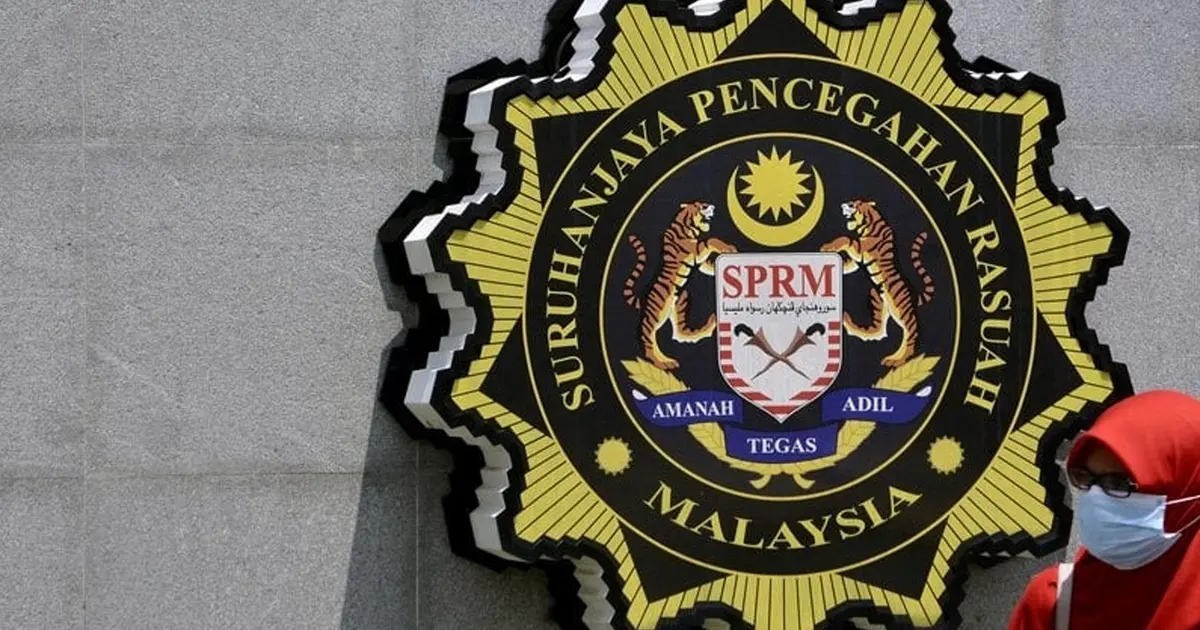
The Malaysian Anti-Corruption Commission (MACC) has expanded its enforcement action stemming from the Royal Commission of Inquiry report on Tabung Haji, with three additional suspects now in custody. This latest round of arrests brings the total number of individuals detained in relation to the investigation to five, signalling a broadening scope of the probe into Malaysia's pilgrimage fund.
Tabung Haji, formally known as the Lembaga Tabung Haji (TH), has long held a privileged position within Malaysia's financial landscape as the state-administered body responsible for managing savings and loans for citizens planning to undertake the Islamic pilgrimage to Mecca. The institution controls billions of ringgit in depositor funds and has been a major player in domestic property and equity investments. However, the establishment of the RCI reflected mounting public and governmental concerns about the fund's management practices, investment decisions, and the safeguarding of pilgrim savings.
The escalating nature of MACC's enforcement action suggests that investigators have uncovered evidence of potential misconduct spanning multiple levels of the organisation or involving diverse categories of wrongdoing. The progression from initial arrests to successive detentions typically indicates that investigators are methodically building their case, interviewing suspects to establish accountability chains and uncover the full scope of any alleged irregularities. Each new arrest may represent a different facet of the inquiry—whether related to specific investment decisions, financial procedures, governance failures, or breach of fiduciary duty.
For Malaysian investors and pilgrims, the MACC's intensified focus carries significant implications. Tabung Haji depositors entrust the institution with their life savings, often accumulated over decades in anticipation of performing the hajj pilgrimage. Any systematic mismanagement or misconduct would constitute a profound betrayal of public trust and could jeopardise the retirement security of hundreds of thousands of Malaysians. The RCI's findings presumably identified concerning patterns that warranted criminal investigation, and the MACC's response indicates the seriousness with which authorities are treating these matters.
The involvement of multiple individuals arrested in successive waves suggests a possible pattern of institutional dysfunction rather than isolated incidents of personal malfeasance. Complex organisations like Tabung Haji involve decision-making at numerous levels—from senior management responsible for strategic investment direction to mid-level staff overseeing specific transactions and junior employees executing operational functions. The breadth of arrests suggests investigators may be pursuing accountability across this hierarchy.
Tabung Haji's troubles come at a particularly sensitive moment for Malaysia's governance narrative. Successive administrations have pledged stronger oversight of government-linked companies and stricter enforcement against financial wrongdoing. The visible action by MACC in this case demonstrates the commission's continued operational independence and willingness to pursue high-profile investigations. However, it also underscores persistent vulnerabilities within Malaysia's institutional safeguards for public funds and depositor assets.
Regionally, the Tabung Haji situation reflects broader concerns about governance standards in government-linked enterprises across Southeast Asia. Other nations managing pilgrim funds or similar collective savings schemes face comparable risks of mismanagement and corruption. Malaysia's enforcement response may serve as either a cautionary tale or a template for regional peers regarding how seriously authorities treat violations of public trust in financial institutions.
The RCI itself represented an acknowledgment that internal mechanisms had proven insufficient to address stakeholder concerns. Royal Commissions are typically convened when matters demand investigation beyond the capacity or reach of ordinary governmental processes. The fact that the RCI's conclusions have translated into active criminal investigations validates the commission's recommendations and signals that institutional shortcomings have crossed thresholds warranting criminal liability.
For the MACC, these arrests represent a continuation of enforcement activity in high-stakes cases where public institutions and significant sums are implicated. The commission has previously pursued similar investigations into other government agencies and linked entities. Demonstrating consistent follow-through on RCI recommendations helps establish the MACC's credibility as an anti-corruption enforcer and validates the entire investigative process.
The coming weeks will likely see further developments as the arrested individuals undergo questioning and investigators complete their examination of evidence. Charges, if preferred, would eventually reveal specific allegations and provide greater clarity on the nature of misconduct alleged. For now, the detained individuals remain central to understanding how governance failures within Tabung Haji occurred and what systemic changes may be necessary to prevent recurrence.

