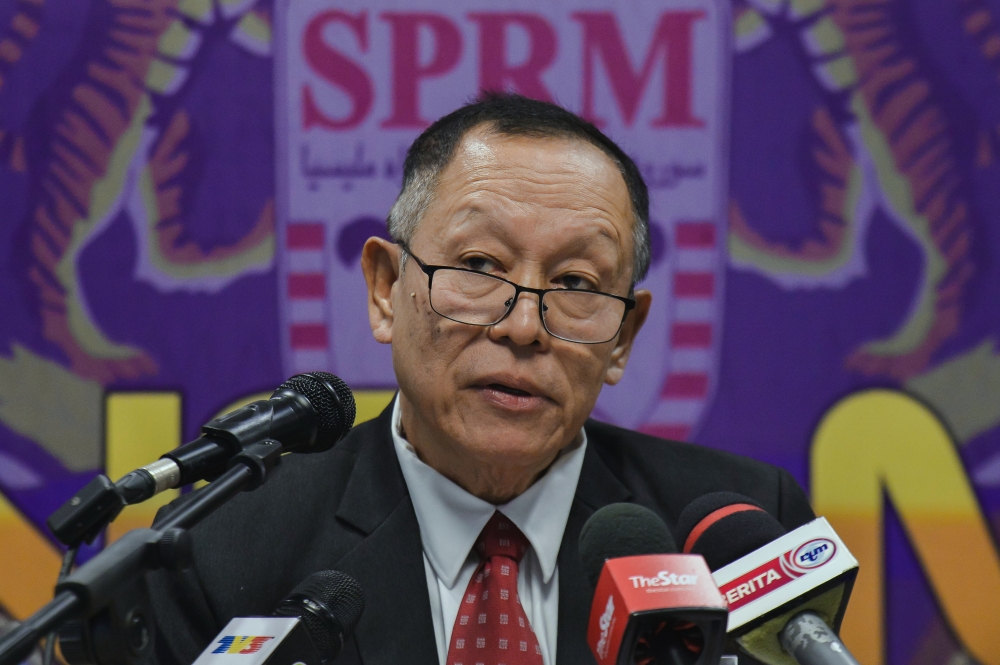
The Malaysian Anti-Corruption Commission (MACC) has moved swiftly to arrest the former chief executive officer and chief financial officer of a major corporation, alleging they misused their authority in facilitating a RM370 million plantation transaction. The arrests represent a significant escalation in the commission's ongoing efforts to combat financial impropriety at the upper echelons of Malaysian business and corporate governance, signalling renewed commitment to investigating complex corporate transactions that may breach public trust.
The MACC's intervention underscores growing scrutiny of how senior management deploys corporate resources and decision-making authority. When executives exercise their positions to facilitate major asset transfers without adequate oversight or transparency, the consequences can extend far beyond individual shareholders to affect employees, creditors, and broader stakeholder interests. The RM370 million scale of this transaction places it firmly in the category of deals requiring robust governance protocols and independent verification to ensure proper stewardship of corporate assets.
Plantation companies occupy a particularly important position in Malaysia's economic landscape, given their historical significance to the nation's agricultural sector and export earnings. The sector has long been subject to regulatory scrutiny regarding environmental practices, worker welfare, and corporate accountability. When allegations of abuse of power emerge at this scale, they inevitably invite questions about the adequacy of internal checks and balances within major corporations, as well as the effectiveness of external regulatory oversight mechanisms designed to protect shareholder interests and maintain market integrity.
The arrests of both the CEO and CFO suggest the MACC investigation has uncovered evidence pointing to coordinated decision-making at the highest financial and operational levels. CFOs typically exercise gatekeeping functions over major financial transactions, approving fund transfers and maintaining compliance with accounting standards. When both executives face allegations simultaneously, it implies the investigation has identified a pattern of conduct rather than isolated lapses in judgment, which typically carries more serious investigative implications.
This development arrives amid broader international attention to corporate governance standards across Southeast Asia. Foreign investors and development partners increasingly scrutinise how Malaysian corporations manage assets and financial decisions. High-profile corruption cases involving senior executives can affect foreign investor confidence, particularly in sectors like plantations where environmental, social, and governance considerations increasingly influence investment decisions. The MACC's proactive stance may reassure international stakeholders that Malaysia maintains mechanisms to address governance failures.
The investigation's focus on abuse of power rather than straightforward theft or embezzlement represents a distinct prosecutorial strategy. Abuse of power cases often prove more complex to establish, requiring proof that executives exploited their positions to benefit themselves or connected parties in ways that deviated from legitimate corporate purposes. Such cases demand meticulous documentation of decision-making processes, board discussions, and the absence of proper authorisation or disclosure protocols that would normally accompany major transactions.
For Malaysian corporate governance standards, this case serves as an important reminder that positions of executive authority carry corresponding fiduciary responsibilities. Directors and senior managers hold a legal obligation to act in the corporation's genuine interests rather than personal enrichment. When these obligations are breached, the resulting damage extends beyond immediate financial loss to undermine confidence in corporate leadership and institutional integrity. The MACC action demonstrates that institutional safeguards exist to hold even prominent executives accountable.
The scale of the RM370 million transaction warrants consideration of how such sums moved through corporate systems without triggering protective mechanisms. Modern corporations typically establish transaction approval thresholds requiring multiple authorisations and external audits for deals of this magnitude. Whether approval procedures were bypassed, inadequately documented, or simply absent will likely form central points in the investigation and any subsequent prosecution. These procedural questions carry implications for how Malaysian companies should structure governance frameworks going forward.
Stakeholders in the plantation sector should anticipate increased regulatory attention following this investigation. Boards may face pressure to strengthen independent oversight, enhance transparency in major transaction announcements, and establish clearer separation between operational executives and financial approval authorities. Industry associations may eventually develop enhanced governance guidelines addressing the conduct of major asset transactions, incorporating lessons from this investigation.
The MACC arrests also reflect Malaysia's broader commitment to anti-corruption enforcement at the corporate level, complementing earlier high-profile investigations and prosecutions. By pursuing cases involving substantial sums and prominent executives, the commission demonstrates that institutional mechanisms exist to address governance failures regardless of the status of those involved. This consistency contributes to the legitimacy of anti-corruption efforts and reinforces expectations that corporate accountability applies universally.
The investigation will likely proceed through examination of company records, banking transactions, board minutes, and testimony from other executives and board members who participated in or had knowledge of the transaction. Digital forensics and financial tracing may reveal communications indicating the deliberate circumvention of normal approval processes or the concealment of transaction details from legitimate oversight bodies.
For Malaysian investors monitoring corporate governance standards, these arrests reinforce the importance of scrutinising major transactions announced by plantation companies and other corporations. Transparent reporting of significant asset transfers, clear disclosure of transaction rationale, and evidence of proper board approval and independent oversight should constitute baseline expectations. The MACC investigation serves as a cautionary example of governance failures that vigilant shareholders and institutional investors should identify and challenge.

