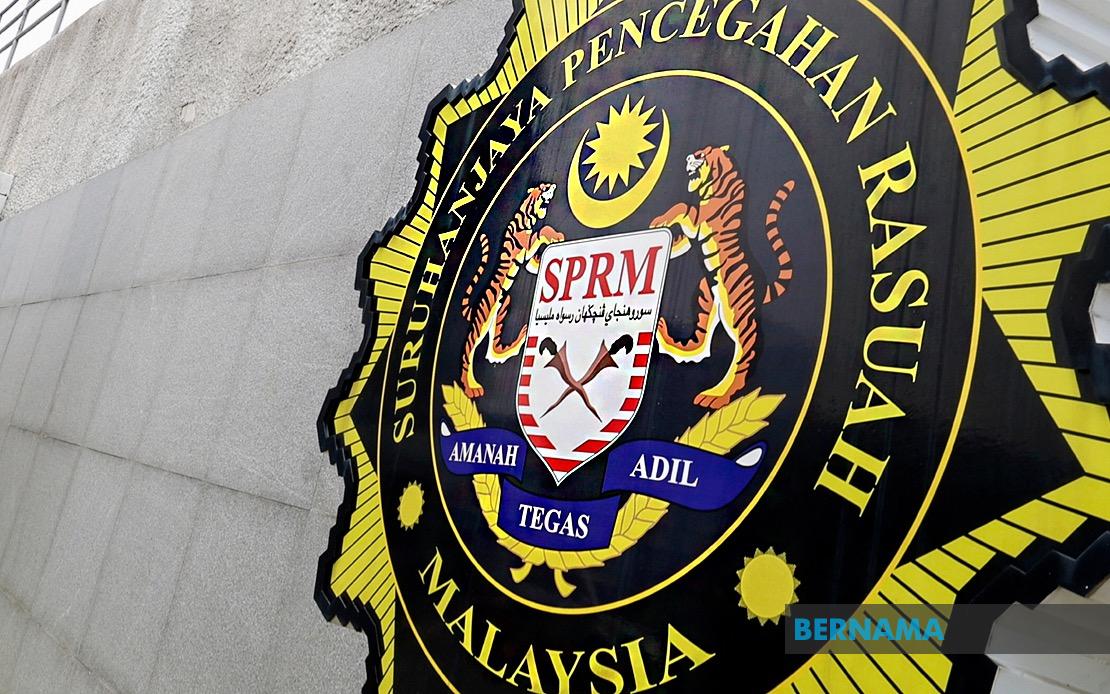
The Malaysian Anti-Corruption Commission has arrested 13 individuals suspected of operating a sophisticated bribery racket centred on a government agency in Malaysia's northern region, with prosecutors alleging the scheme involved the systematic payment of bribes totalling around RM2.5 million. The suspects include both sitting and former agency directors, along with contractors and company owners whose businesses benefited from direct-award and quotation-based procurement arrangements that should have been opened to broader competition. The arrests represent a significant enforcement action against what authorities describe as a procurement cartel—a coordinated network designed to manipulate government purchasing processes for private gain.
Authorities conducted coordinated raids spanning multiple states last Monday, with the Malaysian Anti-Corruption Commission deploying Operation Drain across Kuala Lumpur, Selangor, Pahang and Perak simultaneously. The enforcement sweep targeted 25 locations including residences, corporate offices and government facilities, demonstrating the breadth of the suspected conspiracy. Investigators uncovered approximately RM1.5 million in cash held by the suspects, alongside material assets including luxury timepieces, motor vehicles including a high-powered motorcycle, and jewellery estimated to be worth around RM1 million. These asset seizures underscore the financial scale of corruption and suggest how bribery proceeds were being converted into tangible wealth.
The 13 detainees comprise a mixed group of public officials and private actors. Eight are civil servants occupying positions within the government agency structure, while five represent the private sector as company owners and business operators. In terms of demographics, the group spans a broad age range from individuals in their 30s through to those in their 60s, indicating that the conspiracy allegedly involved multiple generations of officials and contractors. The detention process itself followed standard legal procedures, with the Malaysian Anti-Corruption Commission presenting remand applications to the Ipoh Magistrate's Court, where Magistrate Anis Hanini Abdullah authorised differentiated detention periods reflecting the perceived flight risk and investigation complexity.
Three of the detained individuals—specifically two civil servants and one company director—are being held for two days pending further questioning, suggesting either partial cooperation with investigators or reduced suspicion. The remaining ten suspects face a lengthier five-day detention period extending through to June 20, allowing investigators more time to gather evidence and conduct interviews. This tiered approach to detention demonstrates investigative discretion in determining how long each suspect requires to be held before either being released or facing formal charges. The varying detention authorisations suggest that certain individuals may occupy more central roles in the alleged scheme than others.
Investigators allege the conspiracy operated between 2024 and 2026, indicating the scheme is relatively recent rather than representing longstanding institutional corruption. The timeframe suggests either that the scheme has not yet run its full course or that anti-corruption monitoring successfully identified the activity before it could become deeply entrenched. According to preliminary findings, contractors seeking government business were allegedly required to pay intermediaries bribes ranging between 10 and 15 percent of contract values. These intermediaries then forwarded the payments to both the serving and former directors of the agency, creating a chain of benefit that protected the officials from direct contact with the money while still ensuring they received proceeds.
The involvement of former as well as serving agency directors raises important questions about the potential longevity of the conspiracy and whether corrupt practices persisted across different administrations of the agency. A former director's continued involvement in receiving bribes years after leaving office suggests the cartel maintained its operational structure and relationships even as personnel changed. This pattern is particularly troubling from an institutional perspective, as it indicates corruption may be rooted in the agency's procurement culture rather than dependent on any single individual holding power. The fact that multiple cohorts of leadership were implicated suggests systematic rather than sporadic wrongdoing.
Direct-award and quotation-based procurement mechanisms—the specific contracting methods allegedly abused in this scheme—represent particularly vulnerable areas of government purchasing. These tools, designed to provide flexibility in small or urgent purchases, can easily become vehicles for favouritism when controls are weak or deliberately circumvented. In Malaysia's context, where procurement integrity remains an ongoing concern across many public agencies, this case exemplifies how procurement cartels function by concentrating opportunities among pre-selected companies in exchange for kickback payments. The distinction between direct-award and quotation-based contracts is important: the former completely bypasses competitive tendering, while the latter nominally invites quotations but can be rigged through collusion.
The Malaysian Anti-Corruption Commission's prosecution will proceed under Section 17(a) of the MACC Act 2009, the relevant statutory provision for corruption offences. This section carries significant penalties for individuals convicted of soliciting or accepting gratifications as inducements or rewards. The choice of this particular provision indicates that prosecutors believe they can establish clear evidence of quid pro quo arrangements—that benefits were provided specifically to influence the officials' discharge of their duties. The seriousness with which Malaysian authorities have approached this investigation, deploying resources across multiple states and executing coordinated raids, suggests confidence in the underlying evidence.
For Malaysian readers and businesses operating in government contracting, this enforcement action carries important implications. The case demonstrates that anti-corruption agencies maintain active oversight of procurement practices and will pursue both officials and contractors involved in corrupt schemes. Companies implicated in paying bribes face potential criminal liability even if they were operating under pressure from corrupt officials. The concentration of resources on dismantling a single procurement cartel highlights how agency focus can shift based on intelligence and emerging evidence of systemic abuse. Additionally, the involvement of multiple jurisdictions underscores that procurement corruption is not confined to particular regions but represents a nationwide concern requiring coordination between federal and state-level enforcement authorities.