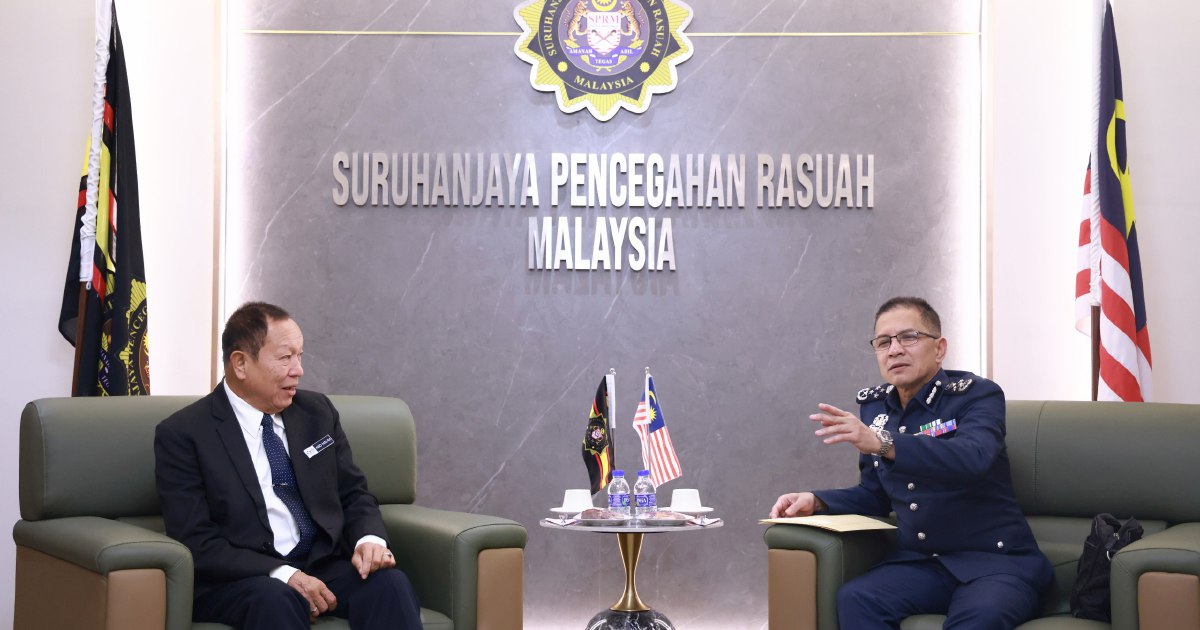
The Malaysian Anti-Corruption Commission (MACC) and the Customs Department have proposed creating a dedicated task force aimed at strengthening oversight of port enforcement operations and improving tax revenue collection at Malaysia's key maritime facilities. The initiative, announced in Putrajaya, represents a coordinated effort between two significant government agencies to address vulnerabilities in port administration and ensure greater accountability in customs procedures.
Port operations in Malaysia constitute a critical economic lifeline, with facilities like Port Klang and Penang Port handling millions of containers annually and generating substantial government revenue. However, the complexity of maritime commerce, the sheer volume of goods transiting through these facilities, and the multiple layers of bureaucratic oversight have historically created opportunities for irregularities. The proposed task force directly responds to concerns that current monitoring mechanisms may lack sufficient coordination and real-time oversight capacity to detect and prevent illicit activities effectively.
The partnership between MACC and Customs reflects a recognition that corruption and tax evasion at ports demand a unified investigative approach. MACC, as the nation's primary anti-corruption body, brings investigative expertise and authority to probe misconduct among government officials and those engaged in port operations. The Customs Department, conversely, possesses deep technical knowledge of import-export procedures, tariff classifications, and revenue collection mechanisms. By combining these capabilities, the task force aims to create a more formidable deterrent against both administrative malpractice and commercial non-compliance.
For Malaysia's broader economic interests, this development carries substantial implications. Port efficiency directly influences the competitiveness of the nation's trade sector, with delays or administrative bottlenecks raising costs for exporters and importers alike. Corruption at ports distorts fair competition, allowing dishonest traders who pay bribes to gain advantages over legitimate operators, ultimately harming the country's business environment and investment climate. The task force proposal signals governmental commitment to ensuring that Malaysia's ports operate on transparent, merit-based principles.
The initiative also addresses concerns relevant to Southeast Asian regional trade dynamics. As ASEAN nations compete to attract cargo volumes and positioning themselves as preferred maritime hubs, operational integrity becomes a competitive advantage. Governments and shipping lines increasingly conduct due diligence on port partners, evaluating not merely infrastructure quality but also governance standards and freedom from corruption. A robust task force monitoring port enforcement could enhance Malaysia's reputation within regional logistics networks and among international trading partners.
From a compliance perspective, the task force would likely focus on several key areas. Revenue leakage through undervaluation of goods, misclassification of commodities to pay lower duties, and smuggling of prohibited items represent persistent challenges in customs administration. Additionally, officials and port employees may face temptations to facilitate illicit transactions in exchange for gratification. The task force structure would enable rapid intelligence-sharing between agencies and coordinated investigations that span both enforcement and corruption dimensions simultaneously.
The proposal's success will depend substantially on operational design and resource allocation. Task forces established without adequate staffing, training, or technological infrastructure often fail to meet mandates, devolving into bureaucratic additions rather than genuine catalysts for change. The agencies must ensure that the task force receives modern investigative tools, including port data analytics systems, real-time monitoring capabilities, and secure inter-agency communication channels. Clear delineation of responsibilities, authority levels, and reporting procedures will prove essential to prevent overlap and conflicting actions.
Implementation timing is also significant. Malaysia's port sector faces evolving challenges, from digitalization of customs procedures to emerging contraband categories. A task force launched now could embed modern governance practices and technological oversight from inception, rather than retrofitting legacy systems. Furthermore, as Malaysia seeks to strengthen ASEAN's collective trade security and participate in international supply-chain transparency initiatives, a credible domestic enforcement mechanism strengthens the nation's standing in regional forums.
The initiative extends beyond immediate revenue concerns to broader governance ambitions. Corruption at ports undermines rule of law and erodes public trust in institutions. When citizens observe that official procedures are negotiable through backhanders, confidence in government legitimacy deteriorates. By demonstrating tangible commitment to monitoring and enforcement, MACC and Customs send signals that Malaysia takes integrity seriously and will pursue wrongdoing regardless of rank or connections.
Stakeholders including the business community, shipping associations, and logistics providers will likely view the proposal with cautious optimism. Legitimate traders benefit from enforcement environments where rules are consistently applied and dishonest competitors cannot undercut them through corruption. However, implementation quality matters significantly; poorly executed enforcement creating unnecessary delays and unpredictable procedures would damage rather than enhance port competitiveness. Success requires that anti-corruption efforts operate alongside streamlined, transparent procedures that protect legitimate commerce.
The task force concept also aligns with Malaysia's broader digital transformation agenda. Integration with customs digitalization projects and port management information systems could yield efficiencies impossible through traditional paper-based oversight. Real-time transaction flagging, automated risk assessments, and digital audit trails would simultaneously enhance both revenue collection accuracy and investigative capabilities while reducing manual corruption opportunities.
Looking forward, the concrete outcomes of this proposal—including task force structure, staffing composition, and resource commitments—will indicate the seriousness of both agencies' commitment. International partners and trading organizations will monitor implementation closely, as port governance quality influences Malaysia's competitiveness in global maritime commerce. Success could serve as a model for other Southeast Asian ports seeking to balance growth with integrity, strengthening the region's position in increasingly complex international trade networks.

