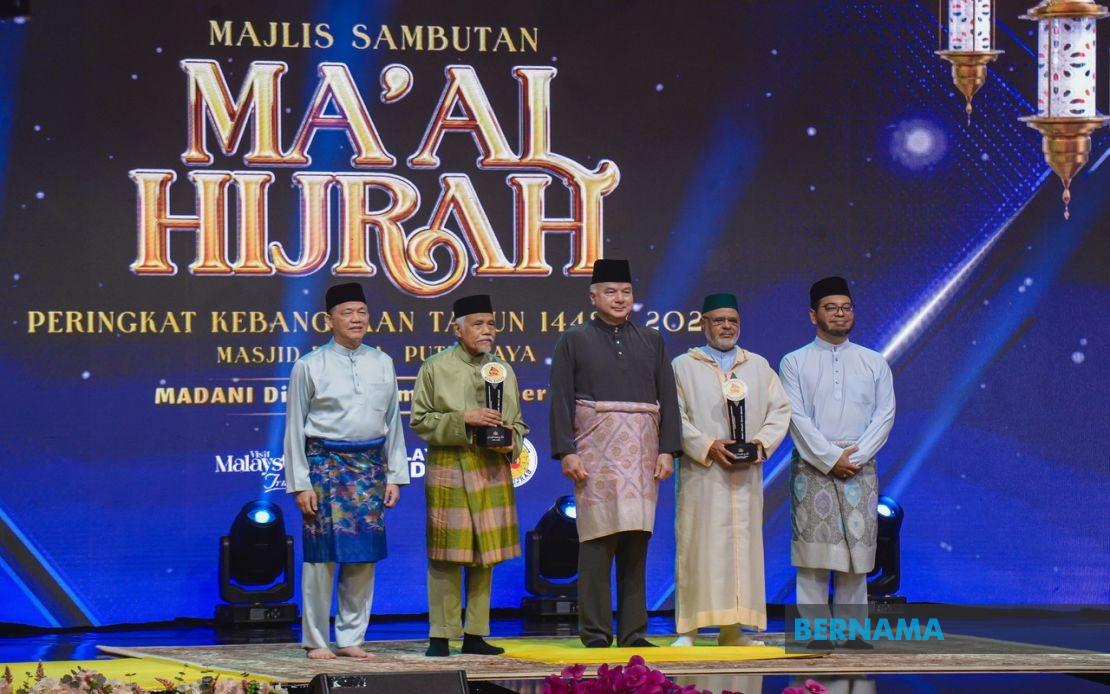
Malaysia's Maal Hijrah 1448H celebrations on June 17 centred on the Islamic concept of hijrah—migration and positive transformation—as a pathway toward stronger leadership, enhanced public welfare, and greater cohesion within the ummah. Commemorations held across the country demonstrated how this foundational Islamic principle continues to shape contemporary discussions about governance, community resilience, and spiritual renewal in modern Malaysian society.
The year's observance adopted the theme "MADANI Dihayati, Ummah Diberkati", reflecting the government's emphasis on integrating Islamic values with contemporary development frameworks. This thematic approach positioned Maal Hijrah not merely as a historical commemoration but as an annual opportunity to reflect on how Islamic leadership principles can address present-day challenges facing Malaysian communities and the broader Muslim world.
Government participation at the highest levels underscored official commitment to these observances. Deputy Prime Minister Datuk Seri Fadillah Yusof and Minister in the Prime Minister's Department (Religious Affairs) Dr Zulkifli Hasan attended the main ceremony, joining approximately 5,000 participants who engaged in spiritual programmes including Quran recitations, religious lectures, and formal award presentations. This level of attendance demonstrates how Malaysian authorities continue to link Islamic observances with matters of state governance and public policy.
The National Tokoh Maal Hijrah Award, presented by Sultan Nazrin (Sultan of Perak), recognised International Islamic University Malaysia rector Prof Emeritus Datuk Dr Osman Bakar for his scholarly contributions and leadership in Islamic higher education. The recognition underscores the value Malaysia places on academic excellence and institutional development within Islamic intellectual frameworks. Prof Bakar's career spanning decades in Islamic studies and university administration exemplifies the quality of leadership the award seeks to honour.
International recognition featured prominently through the presentation of the International Tokoh Maal Hijrah Award to Dr Ahmad Al-Raysuni, a renowned Moroccan Islamic jurisprudence scholar. This international dimension reflects Malaysia's engagement with broader Islamic civilisational networks and its role as a hub for interfaith and intercultural dialogue within the Muslim world. Recognition of foreign scholars signals Malaysia's positioning as a centre of Islamic thought and scholarly exchange.
Community-level recognitions illustrated how Maal Hijrah celebrations extended beyond formal state ceremonies to acknowledge grassroots contributions. Datuk Ag Sharin Alimin, a community activist and former director of the Sabah Islamic Religious Affairs Department, received the male category award, while former Sabah deputy state secretary Datuk Masnah Matsalleh was honoured in the female category. These selections recognised both institutional leadership and community service, reflecting the multifaceted nature of Islamic contribution to Malaysian public life.
In Sabah specifically, celebrations saw the attendance of Tun Musa and his wife Toh Puan Faridah Tussin, welcomed by Chief Minister Datuk Seri Hajiji Noor and organising committee chairman Datuk Dr Mohd Arifin Mohd Arif. The involvement of state-level political figures reinforced how Maal Hijrah observances have become integrated into official state ceremonies and regional identity-building exercises across Malaysian federalism.
Particularly poignant was the honouring of 95-year-old Quran teacher Jusoh @ Muda Ismail, the adopted son and student of renowned Quranic scholar Tuan Guru Haji Mat Lintar. This recognition celebrated the transmission of Islamic knowledge across generations and the preservation of traditional Quranic scholarship even as Malaysia modernises. The award acknowledged how elder scholars serve as custodians of Islamic intellectual heritage and continue contributing to community spiritual development.
For Malaysian readers, these celebrations carry particular significance given the country's status as a Muslim-majority nation navigating complex questions about Islamic governance, educational standards, and social cohesion. Maal Hijrah observances provide annual opportunities to examine whether Malaysian institutions—whether governmental, educational, or community-based—embody the quality of leadership and commitment to public welfare that the hijrah principle demands. The emphasis on leadership quality across varied sectors suggests recognition that positive societal transformation depends on excellence across multiple domains.
The nationwide scope of these celebrations, encompassing federal ceremonies, state-level events, and community-based recognitions, demonstrates how religious observance in Malaysia operates through layered governmental structures and grassroots engagement. This multisectoral participation model reflects the complexities of implementing Islamic principles within a federal system managing diverse constituencies and competing development priorities across regions.
Regionally, Malaysia's Maal Hijrah commemorations position the country within broader Southeast Asian Muslim communities. The recognition of international scholars and emphasis on civilisational unity indicate Malaysian engagement with Islamic networks extending beyond Southeast Asia into the Middle East and beyond. For Malaysian Muslims and observers of Islamic affairs in the region, these celebrations signal continued institutional investment in Islamic identity and values even as secular governance frameworks predominate.
Looking forward, the emphasis on quality leadership and positive transformation through hijrah principles suggests ongoing government focus on developing ethical frameworks for public administration and community development. As Malaysia addresses challenges including economic inequality, social fragmentation, and generational transmission of values, Maal Hijrah celebrations serve as institutional moments for reflecting on whether leadership across sectors genuinely embodies the integrity and public-mindedness the hijrah principle demands. The calibre of individuals recognised—from distinguished academics to community activists to dedicated educators—indicates standards Malaysia aspires toward in its public and religious life.