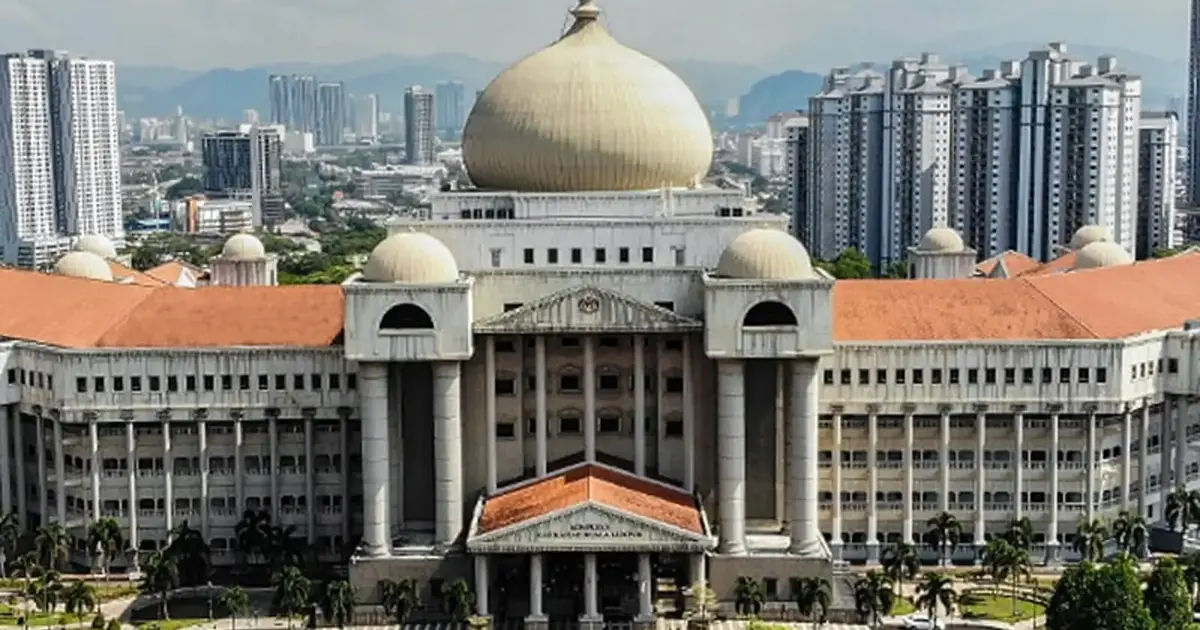
A High Court has ruled that 23 Rolex timepieces and jewellery seized by the Malaysian Anti-Corruption Commission from Nor Shahira Atirah Anuar @ Kamaruddin should be forfeited to the government, concluding a legal battle over luxury items that became central to scrutiny of the former military leadership's financial dealings.
The confiscation of these goods during a raid by MACC investigators last January signalled intensified attention on the personal acquisitions and financial activities of individuals connected to Malaysia's top military echelon. The seizure itself prompted wider public discussion about the nexus between high-ranking defence officials and accumulated wealth, particularly as the nation continues efforts to recover and account for assets potentially obtained through questionable means.
The forfeiture order represents a significant moment in Malaysia's anti-corruption landscape, where courts have increasingly upheld MACC actions targeting unexplained wealth among the families and associates of influential military and political figures. Such judicial decisions establish important precedent for future investigations into similarly disputed acquisitions, reinforcing the legal framework through which authorities can retain and reallocate confiscated valuables to state coffers.
Nor Shahira Atirah Anuar @ Kamaruddin's connection to a former armed forces chief placed her at the intersection of military hierarchy and civilian scrutiny. The collection of Rolex watches—among the world's most coveted luxury items—drew particular attention because such accumulations often require resources that investigators seek to trace and verify. The jewellery items, though less publicly documented in reporting, similarly contribute to the overall profile of extraordinary personal property that authorities question when source and legitimacy cannot be satisfactorily demonstrated.
The MACC's January operation that yielded these confiscations reflected broader institutional commitment to examining the financial footprints of those within or adjacent to the defence establishment. Malaysia's anti-corruption commission has, over recent years, expanded its investigative reach to encompass asset investigations alongside traditional corruption probes, recognising that unexplained acquisitions often indicate underlying financial irregularities warranting official action.
For Malaysian observers and regional analysts monitoring governance standards across Southeast Asia, this development underscores the increasing willingness of local courts to validate confiscatory measures by anti-corruption bodies. The High Court's endorsement of MACC's forfeiture request signals judicial confidence in the commission's investigative methodologies and asset-tracing capabilities, even when those techniques inconvenience individuals with powerful connections.
The case also illustrates how Malaysia's anti-corruption infrastructure has matured to pursue not merely prosecutions of specific criminal conduct but also civil forfeiture actions that fundamentally alter the ownership and disposition of disputed assets. This approach, increasingly common in jurisdictions worldwide, bypasses certain evidentiary burdens associated with criminal prosecution while achieving the practical outcome of returning disputed wealth to the state.
The implications extend beyond the immediate parties involved. Each successful forfeiture reinforces institutional capacity and political space for MACC to conduct similar investigations into other networks potentially involving unexplained wealth. The judiciary's receptiveness to such cases signals to other enforcement agencies that courts will provide legal cover for their asset recovery efforts, provided evidentiary foundations are adequately established.
For the broader Southeast Asian context, Malaysia's demonstrated willingness to seize and forfeit luxury goods connected to military-linked families represents a regional example of institutions asserting accountability standards that might otherwise be compromised by deference to military or political rank. Singapore and Indonesia have similarly pursued such cases, yet Malaysia's actions carry particular significance given historical patterns of deference to defence sector figures within the domestic political structure.
The High Court's decision concluded a chapter in this particular investigation, but the underlying questions about how Malaysia monitors and controls accumulation of unexplained wealth among elite networks remain operative. Future similar cases will likely reference this ruling, using it as precedent for validating MACC forfeiture actions and establishing that judicial systems in Malaysia are prepared to uphold anti-corruption measures even when they affect individuals positioned through family ties or professional relationships to significant state institutions.
The government's successful acquisition of these forfeited assets adds material resources to state coffers while simultaneously advancing the intangible objective of demonstrating that no individual—regardless of proximity to power—remains exempt from scrutiny regarding their personal acquisitions. As Malaysia continues recalibrating its governance standards and institutional independence post-2022, cases such as this contribute incrementally to reshaping expectations about transparency and accountability within elite circles that previously operated under substantial informal immunity.

