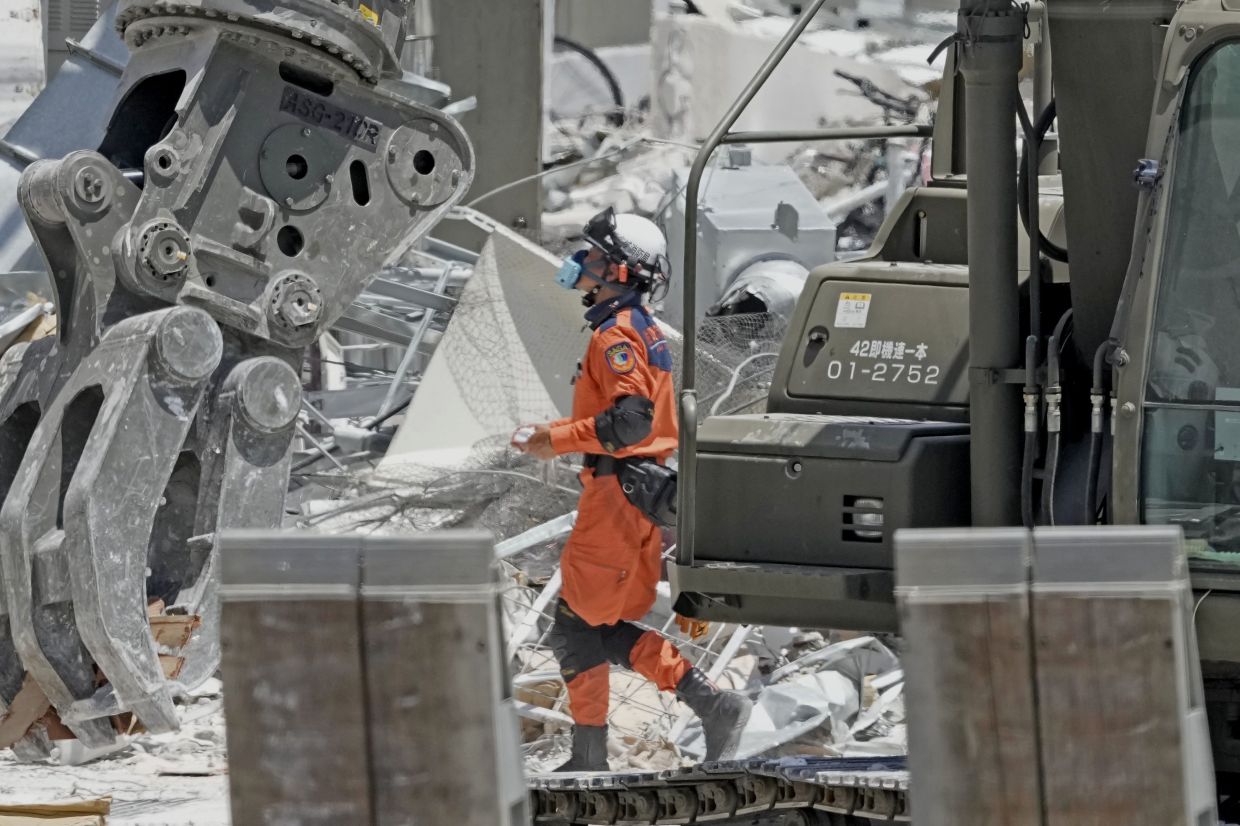
Investigators in Japan have determined that a liquefied petroleum gas leak most likely triggered the devastating explosion at Aeon Mall Kumamoto on July 28, according to a statement released by the Economy, Trade and Industry Ministry on August 5. The blast, which claimed three lives among employees working in stores within the shopping complex, represents one of Japan's most serious post-earthquake industrial incidents in recent years and raises fresh concerns about infrastructure vulnerabilities following seismic events across the region.
The explosion occurred at approximately 5:50 p.m. local time, roughly 80 minutes after a significant earthquake struck Kumamoto Prefecture. The blast devastated the central portion of the shopping mall's second floor on the south side, destroying fixtures, merchandise displays, and causing structural damage to the surrounding commercial space. The timing between the initial seismic event and the subsequent explosion suggests that ground movement may have compromised gas delivery systems or storage infrastructure, creating conditions favourable for accumulation and ignition of dangerous vapours.
According to Aeon, the company operating the mall, liquefied petroleum gas served multiple critical functions throughout the facility. Restaurants and food preparation areas on the north side of the first floor relied on the fuel for cooking operations, while a food court located on the east side of the second floor utilised LPG for similar purposes. Additionally, the gas powered air conditioning systems serving portions of the mall, making it an integral component of both operational and climate control infrastructure. This widespread distribution meant that any breach in the supply system could potentially affect numerous areas simultaneously.
The shopping complex maintained a substantial storage tank containing 9,367 kilograms of liquefied petroleum gas on its premises. Gas from this centralised storage facility flowed through an underground pipeline network before distributing throughout the building via an intricate system of pipes embedded within floors and interior walls. When emergency responders and Kumamoto prefectural police and fire authorities conducted searches immediately following the blast, they detected a noticeable gas smell permeating areas inside the damaged structure, consistent with the escape of LPG into enclosed spaces.
Investigators working on the case found that the primary storage tank retained approximately normal quantities of LPG at the time of the explosion, suggesting that the stored supply itself had not substantially diminished. However, experts theorise that residual gas remaining within the extensive piping network distributed throughout the mall's multiple levels may have escaped from compromised connections or fractured sections following the earthquake's ground motion. This trapped gas could have progressively accumulated in sealed or poorly ventilated areas of the building, reaching dangerous concentrations that ignited when encountering an ignition source.
The distinction between gas in primary storage and gas accumulated within distribution pipes proves crucial to understanding how the explosion occurred. Unlike a sudden, catastrophic rupture of the main tank that would have been immediately evident, a gradual leak from multiple points in the piping system could have escaped notice during the chaotic period immediately following the earthquake. The 80-minute delay between the seismic event and the explosion aligns with this theory of progressive accumulation and eventual ignition of dangerous vapour concentrations.
For Malaysia and other Southeast Asian nations, this incident carries significant implications regarding building safety standards in earthquake-prone or seismically active regions. While Malaysia itself experiences relatively modest seismic activity, the country's urban infrastructure increasingly incorporates large commercial complexes with similar utility systems. Shopping malls, hotels, and office buildings throughout Southeast Asia commonly utilise LPG for cooking, heating, and climate control purposes, often distributed through fixed piping networks embedded within structural elements. The Kumamoto incident demonstrates that standard design assumptions about gas system integrity may prove inadequate during extraordinary stress events.
The investigation into the precise mechanism triggering ignition of the accumulated gas remains ongoing. Multiple potential ignition sources exist within a shopping mall environment, including electrical systems, equipment sparks, friction from structural movement, or open flames in kitchen facilities. Determining which specific cause activated the explosive mixture will require detailed forensic analysis of the blast scene, examination of electrical and mechanical systems, and reconstruction of the facility's condition in the minutes preceding the explosion.
This accident underscores broader questions about the resilience of commercial infrastructure to compound disasters, where an initial natural event like an earthquake creates secondary hazards through damage to utility systems. Emergency planning procedures typically address the immediate earthquake impact itself but may insufficiently account for delayed consequences emerging from gas system failures. The 80-minute gap between the seismic event and explosion suggests that earlier detection and response protocols might have prevented the tragedy had building occupants and responders recognised the danger sooner.
The three employees killed in the blast—working in retail establishments within the mall—became victims of a hazard they likely had minimal ability to anticipate or avoid. Their deaths raise questions about whether emergency evacuation procedures adequately address LPG risks, whether building management received sufficient training in recognising gas-related hazards, and whether structural standards for underground and embedded piping systems adequately account for seismic stress. The Economy, Trade and Industry Ministry's investigation will probably generate recommendations influencing building codes and safety standards throughout Japan and potentially affecting construction practices elsewhere in the region.
As investigations continue into the specific cause of the gas leak, the incident serves as a stark reminder that modern commercial facilities depend upon complex utility networks whose failure during extreme conditions can transform places of everyday commerce into dangerous environments. For Malaysian stakeholders overseeing large shopping centres and commercial developments, particularly those incorporating LPG-dependent systems, the Kumamoto explosion provides cautionary evidence supporting investment in system redundancy, enhanced monitoring capabilities, and more rigorous response protocols for gas-related emergencies.

