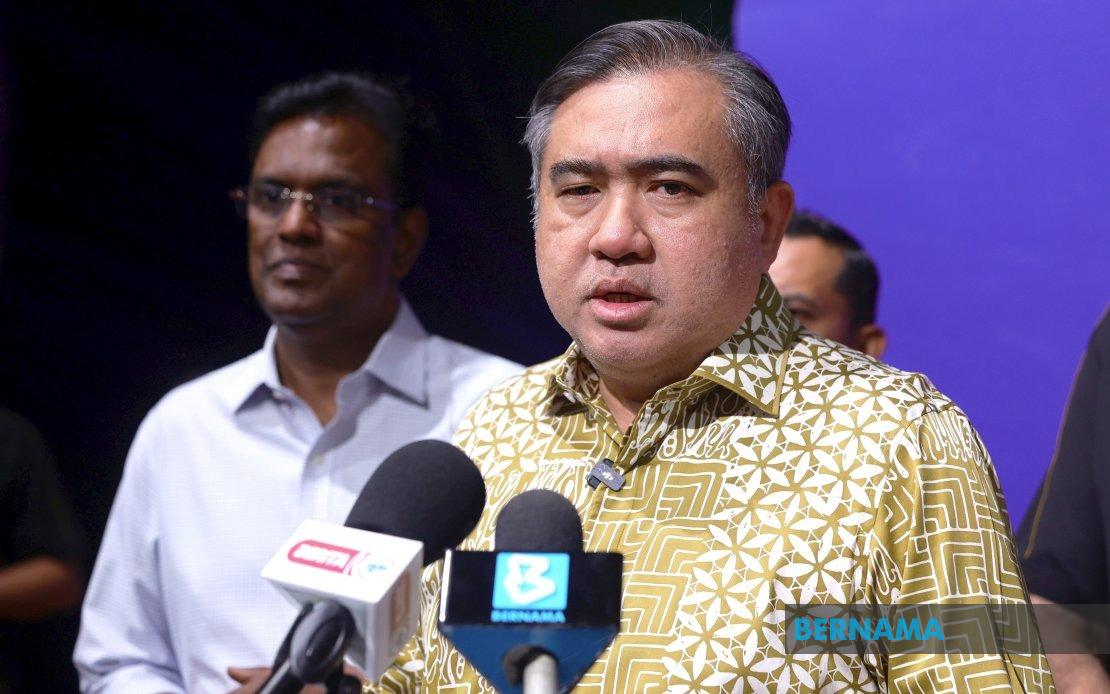
Anthony Loke, the incumbent Chennah assemblyman and DAP secretary-general, has signalled his willingness to contest any challenges to his state seat during the forthcoming Negeri Sembilan state election. Speaking to reporters in Seremban after launching the MyLesen B2 programme at the state level, Loke adopted a measured stance on electoral competition, framing it as a natural expression of democratic principles rather than a threat to his position.
The comments came in response to speculation that businessman Albert Tei was being courted by another political party to challenge Loke's hold on the Chennah seat. Rather than dismissing or dismissing the possibility of opposition, Loke emphasised that such contests are fundamental to Malaysia's democratic system. He articulated a straightforward position: prospective candidates have every right to put themselves forward, provided they navigate the formal requirements that govern electoral participation.
Loke underscored an important practical point for would-be challengers, noting that anyone intending to contest a state seat must satisfy specific eligibility criteria set by the election authorities. Critically, this includes ensuring their residential address is registered within the constituency they wish to represent. This requirement, while seemingly administrative, forms a significant barrier to entry and underscores the regulatory framework that underpins state-level contests in Malaysia.
The DAP leader's measured response reflects a broader philosophical commitment to democratic competition. Rather than perceiving electoral challenges as personal affronts, Loke presented them as routine aspects of democratic governance. His language—welcoming candidates and affirming their rights—suggests a politician confident in his incumbency advantage and organisational support, even as he acknowledges the legitimacy of opposition voices.
Perhaps more revealing than his openness to challengers is Loke's stated intention to direct his energy elsewhere. Rather than preoccupying himself with potential opponents, he indicated that his primary focus would remain on discharging the responsibilities he has undertaken as Chennah's elected representative. This strategic deflection—moving the conversation from electoral politics to constituent service—represents a common tactic among confident incumbents seeking to define the terrain of political debate.
The mandate Loke has accumulated through three consecutive electoral victories at the state level forms the foundation of his electoral narrative. He framed this accumulated voter confidence as his primary obligation, suggesting that defending his seat requires not confrontational campaigning against rivals but rather a continued demonstration of effective governance and responsiveness to community needs. This approach implicitly argues that voters' previous choices should be reinforced through proven performance rather than swayed by new competitors.
The timing of Loke's remarks carries significance given the imminent election schedule. The Election Commission has designated July 18 as nomination day for the Negeri Sembilan state election, with early voting scheduled for July 28 and general polling occurring on August 1. This compressed timeline means that prospective candidates must move quickly to satisfy all procedural requirements, including the residential address registration that Loke highlighted.
Negeri Sembilan's state election assumes particular importance within Malaysia's broader political landscape. As a Pakatan Harapan stronghold and a state where DAP holds significant influence, the outcome will serve as a barometer of opposition coalition strength and the party's capacity to retain seats against both Barisan Nasional and other political challengers. Loke's personal position in Chennah has become emblematic of DAP's electoral resilience in the state.
The mention of Albert Tei's potential candidacy suggests that opposition to Loke may come from unexpected quarters. Tei's businessman background could appeal to voters prioritising economic competence and private-sector credentials, potentially positioning a Tei candidacy as a contrast to Loke's political establishment status. However, without confirmation of Tei's formal nomination, such scenarios remain speculative.
Loke's articulation of democratic principles—anyone willing to contest should be free to do so—aligns with broader themes that Malaysian politicians frequently invoke during election cycles. Yet his simultaneous emphasis on administrative requirements creates a useful counterweight, acknowledging that while democracy welcomes competition, it does so within defined procedural boundaries designed to ensure legitimacy and prevent frivolous candidacies.
The substance of Loke's message ultimately pivots on confidence. A politician genuinely concerned about losing a seat might attempt to preemptively delegitimise potential challengers or raise doubts about their qualifications. Instead, Loke's willingness to engage with the prospect of competition, combined with his redirection toward constituent service, projects an image of secure incumbency. This rhetorical strategy serves multiple purposes: it inoculates him against accusations of democratic gatekeeping while simultaneously establishing the campaign narrative around governance performance rather than personality politics.
As Negeri Sembilan voters approach their state election, the contest for the Chennah seat will likely reflect broader patterns within Malaysian electoral politics. Whether Albert Tei or another candidate ultimately emerges to challenge Loke will depend on party calculations and procedural compliance. What appears certain is that Loke has already begun framing the contest on his preferred terms: as a referendum on his record of service rather than a rejection of his leadership.

