Caretaker Menteri Besar Datuk Seri Aminuddin Harun has conceded that retaining the Linggi seat will prove exceptionally difficult, characterising the electoral battle as genuinely competitive with his prospects hovering at the 50-50 mark. Speaking in Port Dickson, the senior UMNO figure offered an unusually candid assessment of the challenge confronting him in what has long been regarded as a secure coalition territory, signalling that conventional assumptions about BN dominance in the area may no longer hold.
The acknowledgement carries substantial weight given Aminuddin's position as the state's chief executive and frontline representative of federal coalition interests in Negri Sembilan. His readiness to publicly recognise the fragility of his electoral standing contrasts sharply with typical political rhetoric and suggests internal party assessments have detected genuine momentum building against the incumbent administration. The Linggi constituency represents one of the most closely watched contests in the forthcoming Negri Sembilan election, serving as a litmus test for whether BN can sustain its historical grip on the state's political apparatus.
Historically, Linggi has functioned as a reliable BN bastion, with the coalition and its predecessors maintaining consistent control over the seat for decades. This heritage of stability has traditionally allowed sitting representatives to campaign from a position of institutional advantage, leveraging established networks and administrative resources. However, the current electoral environment has fractured predictable voting patterns across Malaysia, with voters increasingly willing to shift allegiances based on local dissatisfaction, governance records, and alternative visions presented by opposition coalitions.
For Negri Sembilan specifically, recent political trajectories have produced considerable volatility. The state has experienced multiple changes in administration and faced mounting public scrutiny regarding economic management, development priorities, and administrative transparency. These broader concerns create openings for opposition parties to challenge BN incumbents who might previously have coasted to victory without serious electoral threat. Aminuddin's candid acknowledgement reflects awareness of this transformed landscape.
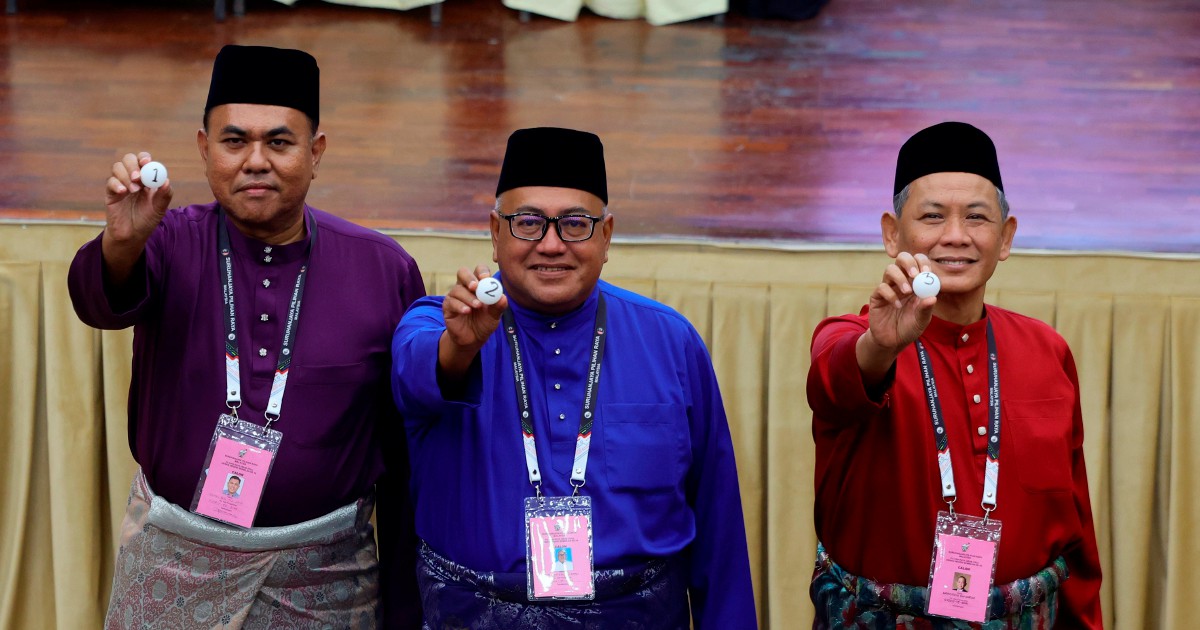
The 50-50 assessment also hints at internal polling data suggesting a tightened race, where neither the incumbent nor opposition can claim commanding advantage. Such tight margins often materialise in constituencies where demographic shifts have altered voter composition, where local development grievances have accumulated, or where personality-driven contests dominate traditional party loyalty calculations. The presence of multiple candidate options on the ballot likewise fragments voter intentions, making traditional electoral mathematics unreliable.
For Barisan Nasional strategists, the Linggi contest represents a crucial indicator of performance across Negri Sembilan's broader electoral landscape. If the BN's state leader cannot secure comfortable victory in what should theoretically be friendly territory, it raises fundamental questions about the coalition's capacity to retain state power. Conversely, a narrow Aminuddin victory would underscore the heightened competitive pressures facing even senior BN figures, signalling that the coalition must mobilise maximum effort to retain ground previously held without serious challenge.
The opposition's positioning in Linggi remains critical to understanding Aminuddin's cautious outlook. Should Pakatan Harapan or alternative coalitions have fielded a particularly strong candidate or mounted an unusually organised campaign effort in the constituency, this would explain the caretaker Menteri Besar's reluctance to project confidence. Linggi's socioeconomic composition, its historical voting patterns, and recent demographic movements all factor into determining which political forces hold structural advantage.
Aminduddin's transparency about electoral uncertainty also carries implications for BN's broader Negri Sembilan campaign strategy. Public acknowledgement of vulnerability in one seat can either galvanise supporters into heightened mobilisation efforts or inadvertently communicate weakness that demoralises party workers. The delicate balance between motivating the base and managing expectations represents a persistent challenge for political leaders navigating competitive environments.
From a Southeast Asian perspective, Negri Sembilan elections offer valuable insights into Malaysian democratic dynamics and coalition politics. The state's electoral evolution reflects broader processes reshaping the region's political systems, where traditional power bases face genuine vulnerability from empowered electorates demanding accountability and alternative governance models. The willingness of senior figures like Aminuddin to candidly discuss electoral challenges suggests a political culture increasingly responsive to voter agency.
The forthcoming state election will ultimately determine whether Aminuddin's cautious assessment proves prescient or merely a tactical communication tool. Regardless of the outcome, his public acknowledgement that controlling a traditionally secure seat now requires genuine electoral effort represents a symbolic moment in Negri Sembilan's political evolution, confirming that no constituency can be taken for granted in Malaysia's contemporary democratic environment.

