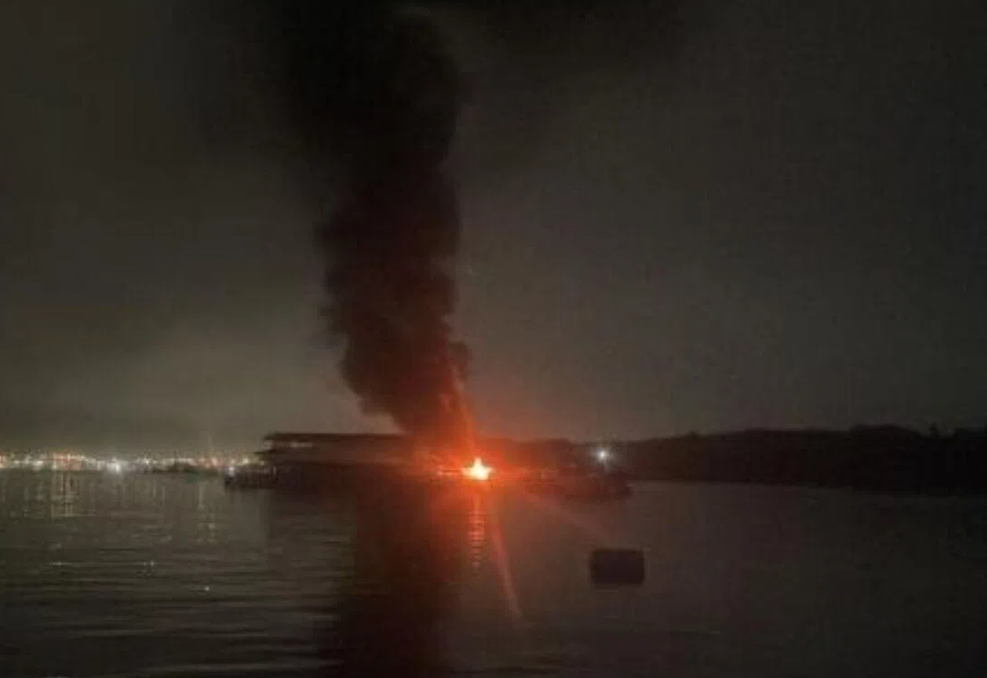
A significant fire swept through floating fish farming operations near Pulau Ubin on the evening of June 24, forcing emergency responders to battle the blaze for several hours before bringing it under control. The Singapore Civil Defence Force received the alert at approximately 8.10pm and deployed multiple marine vessels to tackle the incident, which ultimately affected at least two farms located off the Lorong Halus jetty in the Pasir Ris area. The rapid coordination between SCDF, the Maritime and Port Authority of Singapore, Airport Emergency Service, and neighbouring fish farm operators proved instrumental in preventing further damage to the surrounding aquaculture operations.
Investigators believe the fire originated from a lightning strike that struck the solar panel installation on one of the farms during a storm, subsequently spreading to adjoining operations before being extinguished. This finding underscores the vulnerability of renewable energy infrastructure in tropical climates, where intense electrical storms pose recurring hazards to offshore installations. The use of solar panels on floating farms reflects Singapore's broader push towards sustainable food production, yet the incident reveals critical gaps in weatherproofing and risk mitigation for such systems.
The economic impact on local operators has been substantial. One farm owner estimated personal losses exceeding S$120,000, encompassing extensive damage to critical infrastructure and livestock. The destroyed assets included fishing equipment, generators, solar panels, a fishing boat, and multiple fish traps, rendering sections of the facility temporarily non-operational. Beyond the fixed assets, the damage to fishing nets enabled at least half of the affected farm's fish stock to escape into surrounding waters, compounding the financial toll and creating environmental consequences that may affect the broader aquaculture ecosystem.
A particularly troubling aspect of this incident is the farm owner's disclosure that he cannot pursue an insurance claim for the damages. This revelation highlights a significant vulnerability in Singapore's aquaculture sector, where weather-related losses to offshore installations may fall outside standard commercial insurance coverage. The absence of adequate insurance protection places individual operators at substantial financial risk, especially when losses accumulate to six figures. For a region increasingly dependent on aquaculture to meet food security demands, such gaps in risk management frameworks warrant urgent policy attention.
The operator noted that the solar panels had been struck by lightning previously, but those earlier incidents were contained because workers were present on-site to respond immediately and prevent escalation. The absence of personnel during this latest incident proved critical to its severity. The reliance on rapid human intervention rather than automated fire suppression systems suggests that many of Singapore's floating farms operate with minimal safety infrastructure designed for unattended emergencies. This raises broader questions about operational standards and worker presence requirements across the sector.
Singapore's floating fish farm sector represents a crucial component of the nation's food security strategy and economic resilience. Located in strategically positioned areas near Pulau Ubin, Pulau Ketam, and other islands in the Strait of Singapore, these operations generate employment and contribute significantly to domestic fish supply. However, they operate in an inherently challenging environment—exposed to maritime weather systems, subject to strict environmental regulations, and vulnerable to incidents like this fire that can rapidly escalate without adequate safeguards. The incident serves as a reminder that offshore aquaculture, while innovative, requires robust infrastructure planning and emergency response capabilities.
The broader context of climate and weather patterns in Southeast Asia makes such incidents increasingly relevant to the region. As tropical storms intensify and lightning activity patterns potentially shift due to climate change, fish farmers across Malaysia, Singapore, Indonesia, and other neighbouring countries face amplified risks to their operations. The lessons from this Pulau Ubin incident—particularly regarding insurance coverage, worker safety protocols, and equipment weatherproofing—carry direct implications for aquaculture operators throughout Southeast Asia who operate under similar environmental conditions.
The involvement of neighbouring farm operators in firefighting efforts demonstrates the collaborative spirit within Singapore's aquaculture community, yet it also underscores the need for professional maritime emergency protocols and dedicated rapid-response infrastructure. While the SCDF and related agencies responded effectively, the incident raises questions about whether existing contingency measures are proportionate to the growing scale and density of offshore fish farming operations. As Singapore and the region scale up aquaculture to meet rising protein demands, emergency response capabilities must evolve accordingly.
Looking forward, the incident highlights several policy imperatives. Authorities must work with the Fish Farmers Association of Singapore and the Singapore Food Agency to establish better insurance frameworks, mandate automated fire suppression systems on offshore installations, implement weather monitoring protocols during storm seasons, and establish minimum staffing requirements or remote monitoring systems. Given the sector's economic and strategic importance to food security, such investments represent prudent risk management rather than regulatory burden.
For operators across Southeast Asia watching this incident, the message is clear: offshore aquaculture requires multi-layered protective measures against natural hazards. The S$120,000 loss at this single farm, while significant, pales in comparison to the potential consequences if such incidents were to affect multiple larger operations simultaneously. As the region pursues food security through expanded aquaculture, this Pulau Ubin fire serves as a timely reminder that innovation must be paired with rigorous safety planning, adequate insurance protection, and emergency preparedness systems designed for the region's unique climatic and maritime challenges.

