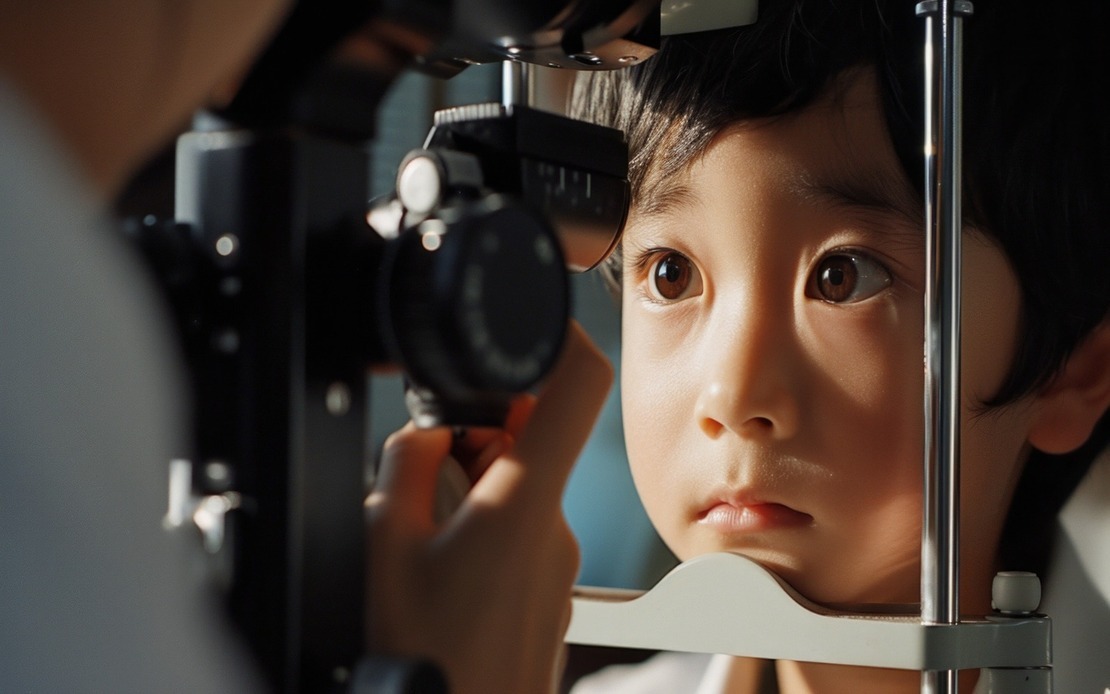
Early detection of eye conditions can be transformative, preventing lifelong vision problems that might otherwise compromise a person's learning, career prospects, and quality of life. Dr Fazilawati A Qamarruddin, a consultant ophthalmologist and paediatric specialist at Sunway Medical Centre in Sunway City, warns that conditions such as squinting and cataracts remain disturbingly common among Malaysians yet are frequently overlooked until substantial damage has occurred. Her guidance underscores a critical gap in the country's approach to preventive eye care across all age groups.
Squinting, medically termed strabismus, occurs when the eyes fail to align properly, with one eye deviating from its parallel position. This misalignment disrupts far more than simple vision; it undermines depth perception, impairs learning capacity, and erodes a child's social confidence. Dr Fazilawati notes that while uncorrected refractive errors—such as myopia or hyperopia—commonly trigger squinting in children, more serious underlying causes can also be responsible. Nerve dysfunction, neurological deficits, physical trauma, and even brain or orbital tumours may manifest as eye misalignment. In adults, squinting either persists unresolved from childhood or emerges suddenly in adulthood. When double vision accompanies adult-onset squinting, immediate medical evaluation becomes essential, particularly to exclude potentially life-threatening conditions affecting the brain or eye sockets.
The prevalence of strabismus, though seemingly modest at two to four per cent globally according to international research, masks a substantial problem in Malaysia's paediatric population. That percentage translates into thousands of Malaysian children living with the condition, yet detection often arrives too late—sometimes only when teachers report declining academic performance or when the child begins withdrawing socially. The consequence of inaction is particularly severe: untreated squinting frequently progresses to amblyopia, colloquially known as lazy eye. In this condition, the brain gradually strengthens its reliance on the stronger eye while suppressing signals from the weaker one, ultimately resulting in permanently reduced vision in that eye. This cascade of deterioration is largely preventable through timely intervention.
Screening protocols should begin early, with Dr Fazilawati recommending comprehensive eye examinations by age three and again before primary school enrolment. These benchmarks matter because refractive errors—the most common ocular problems in Malaysia—respond readily to treatment if caught in time. Prescription eyeglasses or contact lenses can correct these errors efficiently, eliminating the pathway to amblyopia. Parents need not wait passively for schools to identify problems. Red flags such as habitual head tilting, frequent squinting, positioning the body unusually close to television screens, or complaints of headaches warrant immediate professional evaluation. The difference between early intervention and delayed diagnosis can mean choosing between simple spectacles and irreversible visual impairment lasting a lifetime.
Cataracts represent the dominant eye condition afflicting older Malaysians, though many remain unaware that preventable and modifiable risk factors accelerate their development. Whilst age over sixty represents the typical onset window, individuals with diabetes face substantially elevated risk, as do smokers and those with cumulative sun exposure. The condition manifests as progressive clouding of the lens, accompanied by glare sensitivity, muted colour perception, and impaired night-time driving safety. Historically, cataract surgery carried the stigma of extensive recovery periods and substantial lifestyle disruption. Contemporary practice has rendered these concerns largely obsolete through advancement in surgical technique and technological capability.
Modern phacoemulsification represents a quantum leap from older surgical approaches. This ultrasound-based technique fragments the opaque lens through a remarkably small incision, minimising tissue trauma and accelerating healing. Because the procedure requires only minimal surgical access, patients often tolerate the operation as an outpatient day-case, eliminating hospitalisation. Recovery timelines have compressed dramatically; most individuals resume light activity within seven days, with comprehensive visual recovery achieved within fourteen days. This advancement has transformed cataract treatment from a daunting prospect requiring considerable downtime into a straightforward, rapid procedure with minimal disruption to daily life.
Screening recommendations must account for the full lifespan. Adults should commence regular eye examinations at age forty, establishing baseline measurements and detecting early-stage conditions before symptoms emerge. For school-age children, pre-enrolment screening captures developmental anomalies and ensures optimal visual capacity during critical academic years. Diabetics warrant particular attention, requiring annual eye screening given the potential for rapid progression of diabetic retinopathy—a complication that can progress insidiously without symptoms but remains highly treatable when identified early. This graduated approach recognises that different life stages present distinct risks and opportunities for intervention.
The digital age has introduced novel challenges to eye health, particularly for younger populations. Extended screen exposure among children and teenagers appears to contribute measurably to myopia progression and exacerbation. Dr Fazilawati advocates adoption of the 20-20-20 rule as a practical defence against digital eye strain: every twenty minutes of screen work should be interrupted by a twenty-second pause focusing on an object approximately twenty feet distant. This simple intervention allows the ciliary muscles controlling accommodation to relax, reducing cumulative strain. For families struggling with screen management, this practical technique offers a tangible, immediately implementable strategy.
The broader implication of Dr Fazilawati's guidance concerns Malaysia's healthcare infrastructure and public awareness. While urban centres like Sunway offer advanced ophthalmological services, geographical disparities in access persist across the country. Rural and semi-urban populations often lack convenient access to specialist eye care, perpetuating delayed diagnoses and preventable vision loss. Additionally, cultural attitudes toward preventive health screening require evolution; many Malaysians postpone eye examinations until vision problems become obvious, missing the therapeutic window when intervention remains straightforward. Public education campaigns emphasising that early detection supports superior learning outcomes, enhanced independence, and demonstrably improved quality of life could shift behaviour patterns.
The economic dimensions of eye care merit consideration alongside clinical outcomes. Treating advanced eye disease—whether through complex surgical interventions for late-stage cataracts or managing complications of untreated diabetic retinopathy—imposes far greater costs on individuals and the healthcare system than routine preventive screening. Spectacles for refractive error correction represent one of healthcare's most cost-effective interventions, yet remain inaccessible to many Malaysians due to expense or awareness gaps. Systematic screening programmes targeting school-age children and older adults could identify vast numbers requiring simple correction, preventing cascading complications and reducing long-term healthcare expenditure.
The consistency of Dr Fazilawati's message across age groups underscores a fundamental principle: vision represents too precious a resource for complacency. From toddlerhood through advanced age, structured screening at appropriate intervals constitutes responsible preventive medicine. Malaysian families must recognise that delaying eye examinations carries genuine consequences, potentially forfeiting opportunities for straightforward treatment and condemning individuals to unnecessary visual limitation. The trajectory from early detection to simple treatment to preserved quality of life remains strikingly accessible through modest proactive effort.

