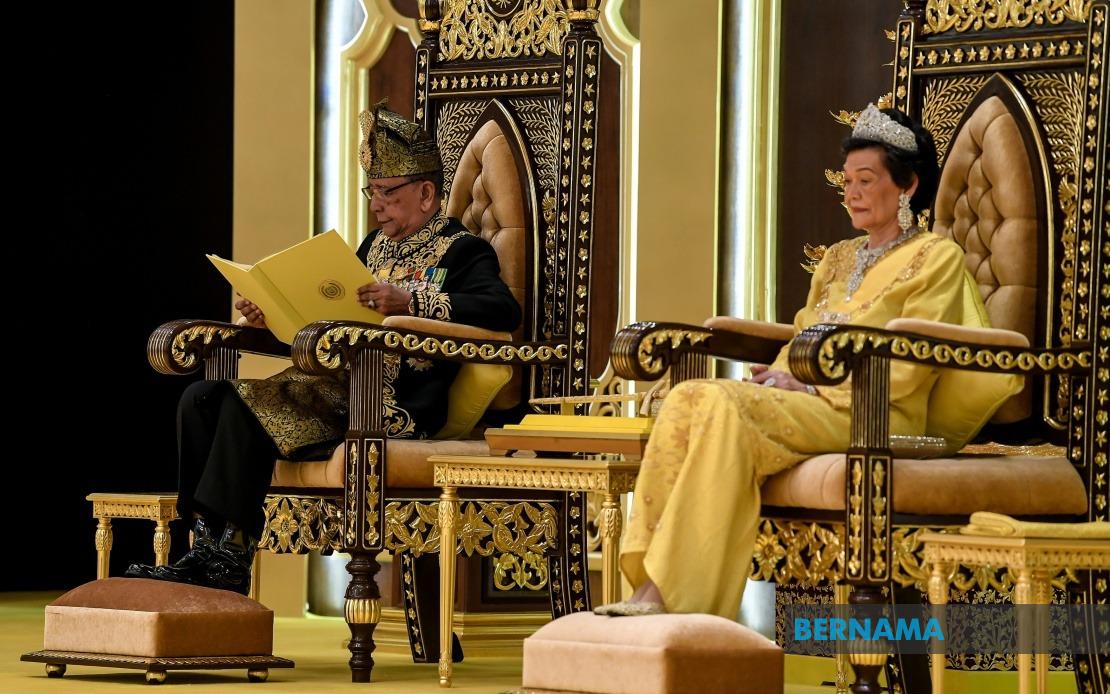
The Sultan of Kedah, Al Aminul Karim Sultan Sallehuddin Sultan Badlishah, has delivered a pointed message to policymakers and investors: Langkawi Island should chart its own course in tourism development rather than pursuing a copycat strategy that imitates better-known Southeast Asian destinations. Speaking during an investiture ceremony marking his 84th birthday in Alor Setar on July 5, the Sultan underscored that the island possesses distinctive assets which, if properly cultivated, could establish it as a compelling alternative to established competitors rather than a pale imitation of them.
The Sultan's intervention reflects growing recognition within Malaysia's royal establishment that the nation's tourism sector risks losing competitiveness when it attempts to replicate the formulas of rival destinations. Langkawi, strategically positioned in the Andaman Sea, faces direct competition from Thailand's Phuket and Indonesia's Bali—two globally recognized brands with decades of marketing advantage. Rather than engaging in a futile race to match their infrastructure or attractions, the Sultan suggested that Langkawi's genuine competitive advantage lies in what makes it distinctive: its preserved natural environment and cultural heritage.
Positioning Langkawi as a premium economic asset for both Kedah and Malaysia, the Sultan characterised the island as integral to the state's growth trajectory. This framing is significant for Southeast Asian tourism economies, where island destinations have become crucial drivers of foreign exchange earnings and employment. For Malaysia specifically, Langkawi accounts for a substantial portion of Kedah's tourism revenue and contributes meaningfully to national visitor arrivals. The Sultan's emphasis on the island's role as a "premier tourist destination" acknowledges this economic weight while challenging conventional wisdom about how such prominence should be achieved.
The conservation philosophy articulated by the Sultan carries particular weight in an era of environmental concerns. Langkawi's natural treasures—including its pristine beaches, limestone formations, and biodiversity—represent finite resources vulnerable to degradation through over-development. The Sultan's insistence that these assets "must be preserved and developed sustainably" suggests a middle path between stagnation and reckless exploitation. This approach resonates with emerging global tourism trends that increasingly value authenticity and environmental stewardship, particularly among higher-spending visitor segments that premium destinations seek to attract.
The Sultan's warning against parties seeking to exploit Langkawi's development for personal gain or engage in reputation-damaging conduct adds a governance dimension to his remarks. This oblique reference signals concern about corruption, cutting corners in environmental standards, or political interference in tourism planning decisions. Such admonitions from Malaysia's royal institutions carry weight in steering official policy, and the Sultan's statement serves as a public accountability mechanism, signalling that the palace is monitoring how development proceeds.
Parallel to his vision for Langkawi's tourism future, the Sultan raised serious concerns about infrastructure delays affecting resident welfare in Kedah. The Sungai Kedah/Anak Bukit flood mitigation project has been stalled despite its critical importance for flood-prone communities. This infrastructure gap underscores a systemic challenge facing Malaysian states: competing priorities between tourism development and essential public works that serve local populations. The Sultan's emphasis on resolving recurring floods reflects the reality that sustainable tourism development cannot prosper when underlying governance failures undermine public confidence and livability.
The timing of the Sultan's comments, delivered during a formal state ceremony, amplifies their significance as official guidance rather than casual observation. The presence of senior members of Kedah's royal household—including Sultanah Maliha Tengku Ariff, Raja Muda Tengku Sarafudin Badlishah Sultan Sallehuddin, and other dignitaries—underscored the institutional weight behind these statements. In Malaysia's constitutional monarchy system, such pronouncements from sultans on matters affecting their states carry considerable influence over both bureaucratic implementation and political decision-making.
For investors and developers, the Sultan's message introduces a strategic recalibration. Rather than pursuing volume-based growth through mass-market tourism packages that echo competitors' models, the implicit invitation is to explore niche positioning around heritage, ecology, and cultural authenticity. This approach could attract discerning travellers willing to pay premium rates for distinctive experiences unavailable elsewhere. The market for sustainable and culturally-rooted tourism has expanded significantly in Southeast Asia, offering genuine commercial opportunity alongside conservation objectives.
The Sultan's call for Langkawi to develop according to its own identity also reflects broader regional tensions about authenticity in tourism. Phuket and Bali, despite their commercial success, have faced recurring criticism for losing cultural distinctiveness and environmental quality through over-commercialization. Communities in those destinations have grappled with social disruption, environmental degradation, and tourist dissatisfaction stemming from crowding and commodification of cultural practices. By explicitly cautioning against this trajectory, Kedah's Sultan positions Langkawi as potentially learning from these cautionary tales rather than repeating them.
The infrastructure concerns the Sultan raised—particularly the stalled flood mitigation programme—highlight a tension that underpins his broader tourism vision. Sustainable development of Langkawi as a distinctive destination requires functioning public systems and reliable service delivery to both residents and visitors. Delays in addressing basic infrastructure needs like flood control simultaneously undermine economic productivity, erode quality of life, and create governance perception problems that damage tourism marketing efforts. The Sultan's dual emphasis suggests recognition that authentic, sustainable tourism development cannot be isolated from broader state performance in delivering essential services.
Moving forward, the Sultan's statements establish a framework within which Langkawi's development should be evaluated. This includes accountability for infrastructure project timelines, scrutiny of development proposals against conservation standards, and assessment of whether tourism growth translates into shared prosperity rather than concentrated enrichment. For Malaysian policymakers and Kedah state officials, the Sultan's remarks constitute explicit guidance about the trajectory he expects. The challenge now lies in translating these principles into operational planning, investment decisions, and regulatory frameworks that genuinely prioritize Langkawi's distinctive character over formulaic replication of international precedents.

