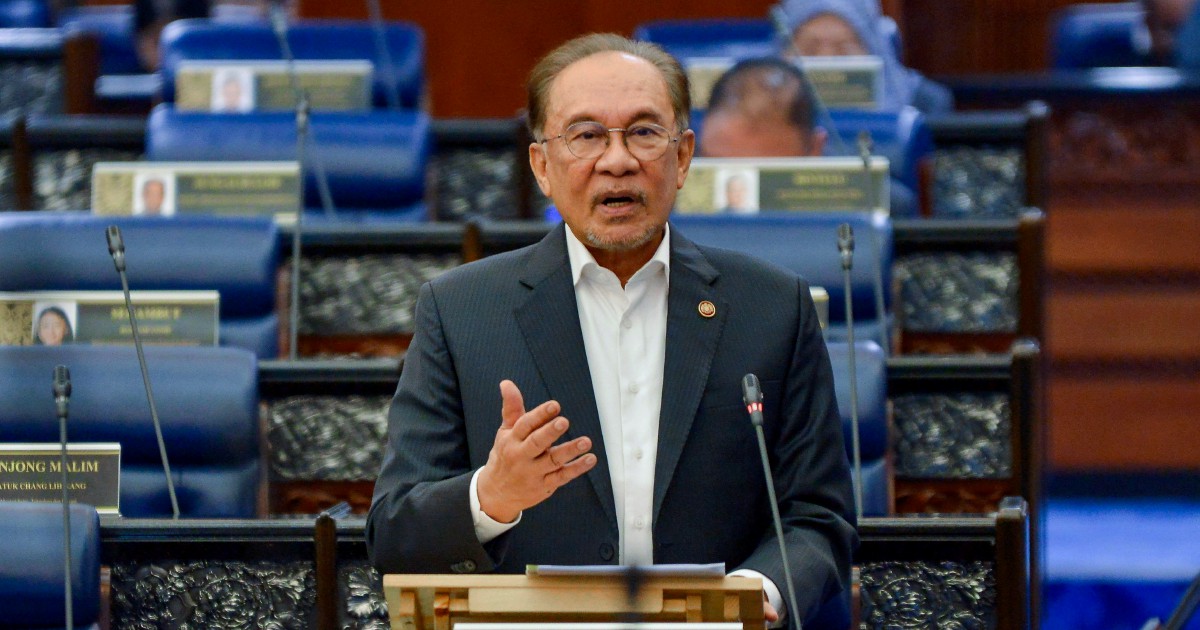
Malaysia faces mounting pressure on its pension finances as the Retirement Fund Incorporated's (KWAP) investment returns prove insufficient to bridge a widening gap between what the sovereign wealth fund earns and the government's sprawling pension liabilities, according to Prime Minister Datuk Seri Anwar Ibrahim. The fund generated RM12.9 billion in earnings, yet this represents less than 29 per cent of the approximately RM45 billion the government must disburse annually to meet pension obligations across its swelling retiree population.
This disclosure underscores a structural imbalance in Malaysia's retirement security architecture that extends far beyond simple accounting mathematics. The shortfall reflects demographic shifts, rising life expectancies, and the legacy of generous pension schemes established when Malaysia's workforce skewed younger and budgets appeared more elastic. Unlike private pension systems that adjust contributions and payouts dynamically, government pension obligations represent fixed liabilities that grow inexorably with each additional retiree added to the rolls. The widening gap between KWAP's investment capacity and actual pension claims illustrates why policymakers across Southeast Asia grapple with sustainability questions that will define fiscal health for decades.
KWAP, established to manage the retirement assets of government employees and other contributors, typically relies on a combination of investment returns and contribution inflows to fund disbursements. Yet investment performance, however robust in global terms, cannot offset the sheer scale of Malaysia's pension commitments. The RM12.9 billion figure, while substantial by regional standards, becomes modest when set against an annual obligation that exceeds RM45 billion. This creates a dependency on general government revenue to supplement KWAP distributions—a mechanism that diverts resources from other pressing spending priorities including education, healthcare infrastructure, and economic development initiatives.
The pension funding challenge mirrors difficulties confronting other developed and developing economies worldwide. Japan, South Korea, and parts of Europe have all confronted similar demographic traps where ageing populations strain fiscal frameworks designed in more youthful eras. Malaysia's situation contains distinctive features, however. The country's public sector workforce expanded substantially during periods of rapid economic development, creating cohorts of relatively young retirees with lengthy benefit-drawing periods ahead. Simultaneously, improved healthcare and rising living standards have extended average retirement durations, multiplying the total lifetime payments owed to each pensioner.
An immediate concern centres on whether current contribution levels from active government workers suffice to fund existing benefits. If contributions fall short of actual disbursements—a condition known as "pay-as-you-go" deficit—the government must continuously inject general revenue into the system. This dynamic becomes particularly acute during economic downturns when investment returns decline precisely when fiscal pressures mount and government revenues contract. Malaysia experienced this tension during the 2020 pandemic downturn, when economic contraction limited both KWAP returns and tax collections simultaneously.
The disclosure also carries implications for Malaysia's budgetary trajectory and fiscal credibility. International rating agencies monitor pension liabilities closely when assessing sovereign creditworthiness, viewing unfunded obligations as contingent liabilities that reduce effective fiscal space. A persistently widening gap between pension earnings and disbursements could eventually constrain Malaysia's borrowing capacity or increase government bond yields, raising interest costs across the entire public debt portfolio. These secondary effects ripple through the economy, affecting infrastructure investment capacity and overall economic growth potential.
Government pension systems across Southeast Asia increasingly face comparable pressures as the region experiences demographic transitions that historically occurred more gradually in Western nations. Indonesia, Thailand, and the Philippines all grapple with pension sustainability questions as their workforces age. Malaysia's explicit acknowledgment of this challenge positions it somewhat ahead in the policy discussion curve compared to neighbours who have yet to publicly articulate the scale of pension funding gaps.
Addressing this imbalance requires difficult choices with political ramifications. Potential reforms include raising contribution rates for current workers, adjusting pension benefit formulas for future retirees, increasing the retirement age, or enhancing investment returns through portfolio restructuring. Each option involves trade-offs between intergenerational equity, fiscal sustainability, and political feasibility. Contribution increases burden active workers during their earning years; benefit reductions affect retirees dependent on fixed incomes; raising retirement ages confronts resistance from older workers; and investment strategy changes carry their own risks and uncertainties.
The timing of Anwar's disclosure suggests growing recognition within government that stakeholders require transparency about pension financing realities. Public acknowledgment represents a prerequisite for building the political consensus necessary for substantive reform. Without candid assessment of the challenge's magnitude, policymakers risk deferring difficult decisions until the fiscal position deteriorates sharply, potentially forcing more severe and disruptive adjustments later.
International experience indicates that early, measured adjustments to pension parameters prove less economically disruptive than sudden, large-scale reforms implemented under fiscal duress. Countries that gradually raised retirement ages or indexed benefit adjustments to life expectancy improvements managed demographic transitions more smoothly than those that delayed action until crises forced abrupt changes. Malaysia's current fiscal position, while showing strain, still permits deliberate policy redesign rather than emergency intervention.
The path forward likely involves incremental adjustments rather than single transformative reforms. These might include phased retirement age increases aligned with longevity improvements, contribution rate modifications tailored to demographic profiles, and investment strategy refinements that enhance long-term real returns without excessive risk concentration. Enhanced transparency about pension valuations and long-term projections would help Malaysian workers plan retirement savings independently rather than relying solely on government provisions.
Ultimately, KWAP's RM12.9 billion earnings gap represents not merely a financial accounting problem but a reflection of fundamental challenges inherent in maturing pension systems. How Malaysia addresses this imbalance will signal government commitment to fiscal sustainability and intergenerational fairness—principles that extend well beyond retirement policy into the broader question of how the nation allocates scarce resources across competing priorities and generations.

