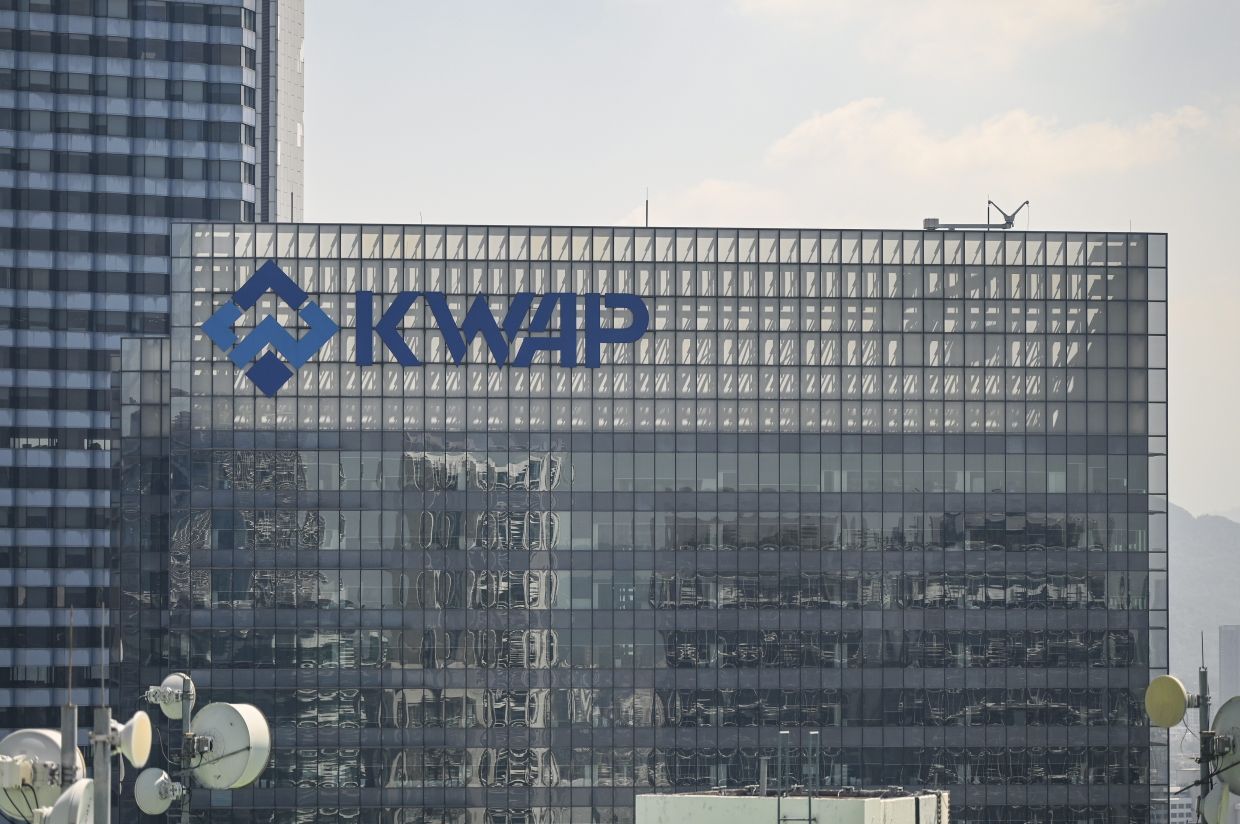
Malaysia's Retirement Fund (Incorporated), commonly known as KWAP, has reaffirmed its commitment to recovering the full value of its substantial investment in eFishery, an Indonesian aquaculture startup that became the subject of a high-profile fraud investigation. The pension fund, which manages RM195.26 billion in assets on behalf of Malaysia's public sector retirees, committed RM163.4 million to the venture—equivalent to approximately 2.51 per cent of the company's total equity. The disclosure marks the latest development in a case that has exposed significant vulnerabilities in institutional investment oversight across Asia's emerging markets and raised questions about due diligence practices in private equity allocations.
The eFishery scandal represents a cautionary tale for major institutional investors across Southeast Asia. KWAP functioned as a minority shareholder in the company, with the balance of ownership distributed among other substantial institutional investors, including major global fund managers and international financial institutions. The breadth of the investor base underscores how the company's management successfully deceived multiple sophisticated players in the international capital markets. In April 2026, Gibran Huzaifah, eFishery's co-founder and former chief executive officer, was sentenced to nine years' imprisonment by the Bandung District Court following his conviction on charges of embezzlement and money laundering—offences reflecting the deliberate nature of the financial misconduct perpetrated within the organisation.
Investigations by Malaysian authorities, including the Ministry of Finance, have determined that the fraud was meticulously orchestrated. Rather than representing a case of mere accounting irregularities or administrative oversights, eFishery's management engaged in systematic financial statement manipulation designed to present a distorted picture of the company's true operational and financial position. This characterisation as a well-planned fraud distinguishes the case from accidental misstatement or incompetence, suggesting that insiders deliberately fabricated financial reporting to attract and retain investment capital. For KWAP and other institutional investors, the revelation underscores the sophisticated nature of contemporary fraud schemes that can circumvent standard investment vetting procedures.
In response to the discovery of irregularities within eFishery's operations, KWAP initiated a comprehensive internal investigation and undertaken systematic reviews of its investment processes, post-investment monitoring arrangements, and the quality of information available throughout the investment tenure. This introspective assessment has yielded important insights into where existing oversight mechanisms fell short and where vulnerabilities existed in the fund's capacity to detect warning signals. The investigation has prompted KWAP to examine the specific decision-making framework that led to the eFishery allocation and to identify whether particular assumptions about management integrity or financial verification procedures proved inadequate in this instance.
Beyond the immediate recovery efforts surrounding the eFishery situation, KWAP has articulated a strategic recalibration of its approach to private markets investing—a sector that typically offers higher potential returns but carries correspondingly elevated risks. The fund has announced several structural enhancements designed to strengthen its protective mechanisms. These measures encompass greater diversification within the private markets portfolio, a deliberate strategy to invest alongside experienced co-investors and fund managers rather than deploying capital independently, enhanced monitoring protocols for post-acquisition developments, and more rigorous oversight of material corporate events affecting portfolio holdings. This defensive recalibration reflects a broader institutional response across Asia's pension and investment funds to strengthen governance frameworks in light of emerging fraud vulnerabilities.
The timing of KWAP's recovery efforts coincides with broader regional and global efforts to address institutional fraud and financial crime. The consortium of investors affected by the eFishery situation, working collectively through formal recovery mechanisms, has pursued multiple simultaneous strategies including direct legal action through Indonesian courts, structured negotiations to recover remaining assets, comprehensive governance reviews within eFishery's operations, and implementation of enhanced internal controls to prevent recurrence of similar schemes. This multi-pronged approach reflects the complexity of cross-border fraud recovery and the necessity for coordinated action among international institutional investors operating across different legal jurisdictions.
From a Malaysian investor perspective, the eFishery case carries particular significance given the growing interest of domestic institutional investors in emerging market opportunities across Southeast Asia. Indonesian aquaculture represented a compelling investment thesis—a rapidly expanding sector within a high-growth emerging economy with substantial demographic tailwinds and rising consumption patterns. The apparent robustness of this underlying thesis makes the fraud case particularly damaging to investor confidence, as it demonstrates that compelling macroeconomic narratives provide no protection against corporate-level financial manipulation and misconduct by management teams.
KWAP's financial position remains robust despite the eFishery investment losses. For the financial year ended December 31, 2025, the fund recorded gross investment income of RM8.33 billion while maintaining total funds under management of RM195.26 billion. The scale of the fund's overall portfolio means that while the eFishery loss is material, it does not jeopardise the fund's capacity to meet its core statutory obligation: assisting the Malaysian Government in fulfilling pension payment obligations to retired public sector employees. This financial resilience provides the institutional space for KWAP to pursue recovery efforts without compromising its primary mission.
Looking forward, the eFishery incident will likely influence how Malaysian institutional investors approach private equity allocations throughout Southeast Asia. Enhanced due diligence processes, more sophisticated financial forensics during valuation procedures, and increased scepticism regarding management representations have become standard practice across the industry. For KWAP specifically, the experience has validated the importance of maintaining a diversified portfolio across multiple asset classes, geographic regions, and investment strategies—a fundamental principle that proved protective even as individual positions deteriorated. The fund's stated commitment to prudent, transparent, and responsible management, conducted in fulfillment of its mandate to public sector retirees, remains the foundation upon which recovery efforts and enhanced governance frameworks are being constructed.

