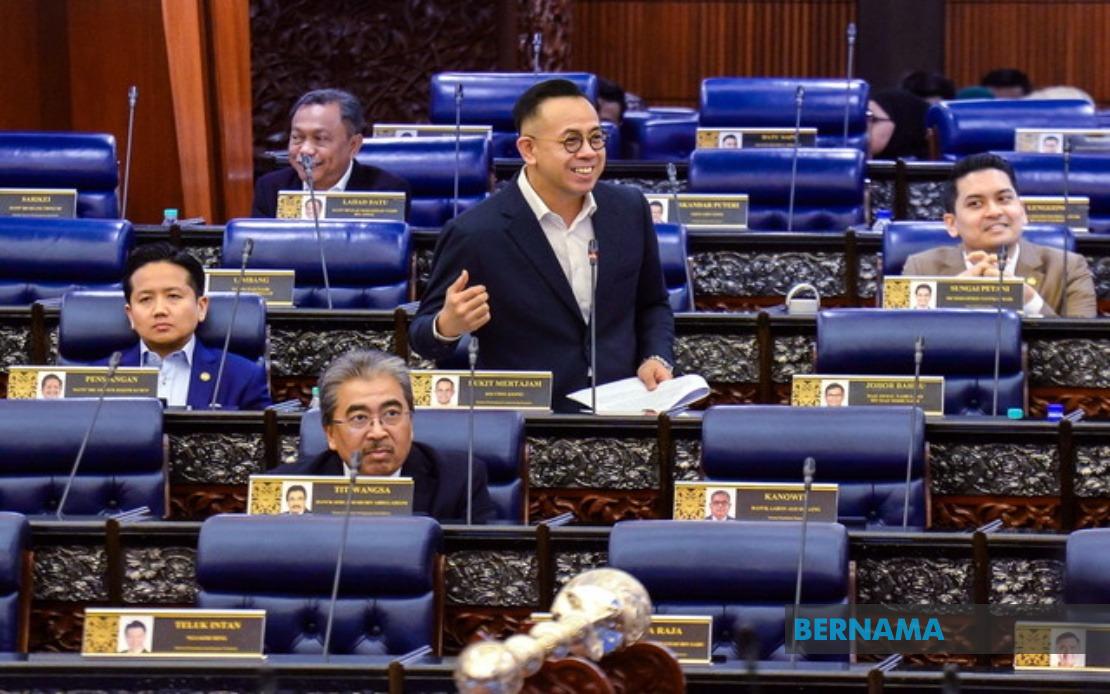
The Ministry of Entrepreneur and Cooperative Development (KUSKOP) has committed nearly RM3 billion towards a comprehensive suite of programmes designed to lift Bumiputera entrepreneurs between 2023 and 2025, according to Minister Steven Sim Chee Keong. The substantial investment reflects the government's determination to create a more inclusive business landscape where indigenous entrepreneurs can compete effectively and scale their operations across Malaysia's diverse economic sectors.
In Parliament, Sim outlined how the ministry evaluates programme success through concrete metrics rather than expenditure alone. Among the tangible results achieved are sales growth of at least 20 per cent for participating entrepreneurs and the successful expansion of 150 companies into larger operations. This outcomes-focused approach represents a shift towards accountability in how public resources are deployed for economic empowerment, moving beyond traditional allocation announcements to demonstrate actual business transformation at ground level.
The breadth of KUSKOP's financial engagement extends well beyond the three-year empowerment cycle. During the first five months of 2025, the ministry approved financing totalling RM5 billion, benefiting approximately 180,000 entrepreneurs across various racial groups and business categories throughout the country. This expanded reach underscores how entrepreneurship development has become a cross-community priority, recognizing that sustainable economic growth requires broad-based participation rather than narrow demographic targeting.
For the specific period from 2025 to May 2026, KUSKOP has channelled RM1.407 billion in financing to over 53,000 Bumiputera entrepreneurs through agencies under its purview. Within this cohort, the ministry has prioritized youth engagement, directing more than RM251 million to 11,469 young Bumiputera entrepreneurs. This generational focus addresses a critical demographic concern in Malaysia's entrepreneurial pipeline, ensuring that younger business founders can access capital and support at crucial early-stage moments when guidance and resources prove most transformative.
Beyond financing, KUSKOP has recognized that market access represents a significant barrier for many growing enterprises. The ministry has integrated halal industry development into its empowerment framework, actively assisting entrepreneurs in navigating halal certification requirements and expanding distribution channels. This strategic component acknowledges both the commercial importance of Malaysia's halal sector and the competitive advantages available to certified producers seeking international markets, particularly across the Muslim-majority regions of Southeast Asia and the Middle East.
Addressing parliamentary concerns about fragmented support systems, Sim revealed that KUSKOP has tasked SME Corp Malaysia with functioning as a central coordination hub. This agency now consolidates information about financing schemes, grants, government funds, and complementary support mechanisms available from across the ministerial landscape. By positioning SME Corp as an intermediary that channels applicants and business owners to appropriate government resources, the ministry aims to reduce the navigational burden that often deters entrepreneurs from accessing benefits they technically qualify for.
The institutional architecture undergirding this coordination includes a digital infrastructure strategy. KUSKOP is developing a comprehensive online portal that aggregates support offerings from more than 60 government agencies, creating what amounts to a virtual single-window mechanism for entrepreneurs seeking assistance. This portal approach particularly benefits smaller entrepreneurs in rural and suburban areas who may lack access to physical offices or networks capable of signposting available government programmes.
The parliamentary discussion revealed how Bumiputera entrepreneurship support has evolved from a purely affirmative-action concept into a sophisticated economic development strategy with measurable objectives and integrated support systems. The emphasis on sales growth targets and business expansion metrics suggests that KUSKOP is moving beyond the traditional subsidy model towards interventions designed to build genuinely competitive enterprises capable of thriving in open markets without perpetual government assistance.
For Malaysian business stakeholders, the RM3 billion investment and subsequent funding announcements signal sustained government commitment to entrepreneur development despite broader budgetary pressures. The integration of halal certification support, youth-focused initiatives, and digitalized access mechanisms indicates that policymakers are learning from implementation experience and refining approaches based on feedback from the business community. The centralization of support information through SME Corp and the portal system should reduce duplication and ensure entrepreneurs receive coherent guidance rather than conflicting advice from multiple agencies.
The implications for Malaysia's economic trajectory are substantial. Bumiputera entrepreneur development directly influences wealth distribution patterns, regional business development outside Kuala Lumpur's corporate centers, and the sustainability of political consensus around affirmative-action policies. When such programmes demonstrably increase sales by 20 per cent and expand business scale, they build constituency support that transcends racial and partisan boundaries. However, programme success ultimately depends on execution quality at the implementation level, where frontline staff at financing institutions and support agencies must translate policy intent into effective entrepreneur coaching and capital allocation.
Regionally, Malaysia's Bumiputera entrepreneur ecosystem represents a model that neighbouring countries observe closely. Thailand, Indonesia, and the Philippines have implemented various indigenous business support programmes, and Malaysia's emphasis on measurable outcomes and digital coordination mechanisms offers instructive lessons about designing inclusive economic policies that achieve both equity and efficiency objectives. The RM3 billion commitment reflects confidence that well-structured programmes can expand the entrepreneurial base while maintaining fiscal discipline through rigorous outcome monitoring.

