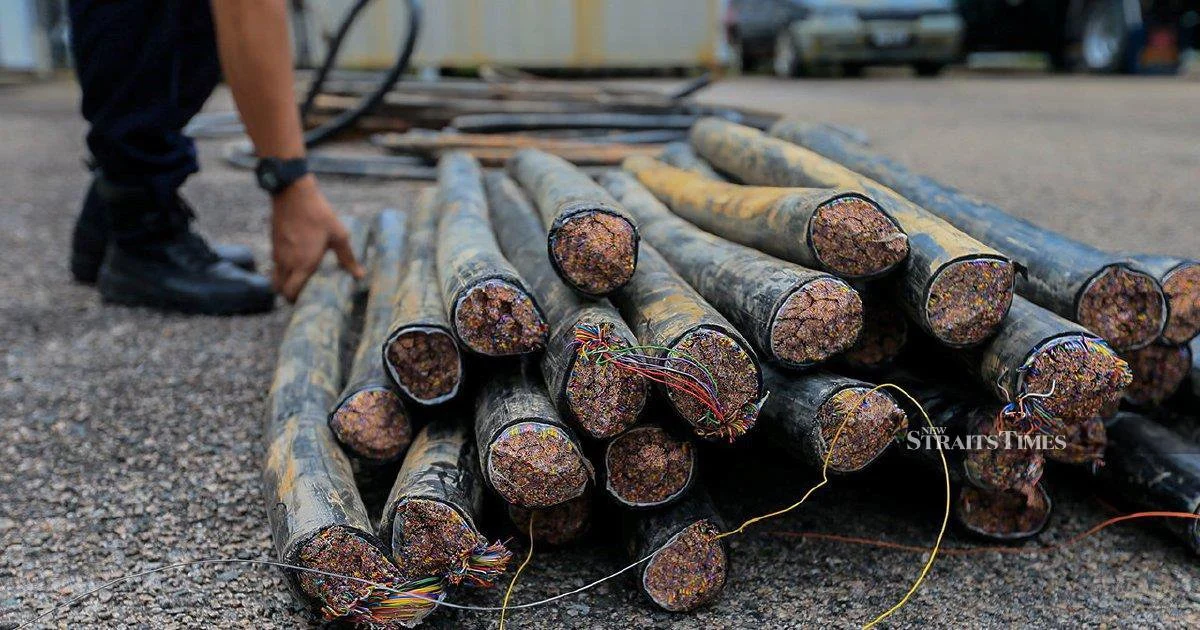
Kuala Lumpur's persistent problem with cable theft has shown signs of improvement, with police recording a substantial drop in reported incidents during the opening months of 2025. The figures released by authorities reveal only 71 complaints lodged between January and May this year, marking a sharp contrast to the 205 cases that accumulated across the entire preceding year. This downward trajectory suggests that recent law enforcement initiatives designed to combat the systematic theft of vital copper and electrical infrastructure may finally be yielding tangible results in the capital.
The reduction in cable theft represents more than a statistical accomplishment—it reflects genuine progress in addressing a crime category that has long plagued Malaysia's urban centres and disrupted critical services. Cable theft, particularly targeting telecommunications and electrical infrastructure, creates cascading problems for communities and businesses. When thieves strip copper wiring and cables from underground conduits, utility networks, or industrial facilities, the immediate consequence extends far beyond simple property loss. Service interruptions ripple through residential areas, commercial establishments, and essential services including hospitals and emergency response networks.
With 85 suspects arrested so far this year, police have maintained sustained pressure on organized theft rings believed responsible for much of the coordinated criminal activity. The arrest rate alongside declining case numbers suggests law enforcement has successfully disrupted supply chains and dismantled key operational networks. Cable thieves typically operate within structured groups, targeting specific locations systematically and fencing stolen materials through established channels. By arresting multiple individuals and keeping investigations active, police are addressing both the street-level perpetrators and the infrastructure supporting these criminal enterprises.
The strategic approach appears to have involved increased surveillance, intelligence-led policing, and coordination among various enforcement units. Kuala Lumpur's size and complexity would normally provide ideal cover for organized theft operations, yet the 65 per cent reduction in case numbers suggests authorities have successfully narrowed the operating environment for would-be offenders. Enhanced patrols in high-risk areas, improved coordination with telecommunications companies and power utilities, and heightened consequences for apprehended offenders likely combine to form this multifaceted response.
Cable theft carries particular significance in Malaysia's context because critical infrastructure vulnerability directly impacts economic productivity and public welfare. The telecommunications industry, already grappling with service quality expectations in a competitive market, faces additional operational challenges when thieves compromise network components. Similarly, disruptions to electrical supply networks affect manufacturing output, commercial operations, and household services. Even brief outages triggered by cable theft incidents impose costs across multiple sectors, creating incentives for stakeholders to support police enforcement efforts.
The improvement also reflects growing awareness among business operators and community members about reporting suspicious activity. Intelligence gathered from residents and workers near infrastructure facilities helps police identify patterns and intercept offenders before large-scale theft occurs. Public cooperation, combined with enhanced police capability and technology, creates an environment where criminal activity becomes riskier and less profitable for organized groups considering Kuala Lumpur as a target location.
However, authorities must recognize that cable theft represents a persistent regional challenge requiring sustained commitment. While January-to-May figures show encouraging progress, maintaining momentum demands continued resource allocation and inter-agency cooperation. Cable thieves have proven adaptable, sometimes shifting operations to less-patrolled areas or adjusting timing and methods to evade detection. The significant decline achieved this year could reverse if enforcement focus diminishes or resources are redirected elsewhere.
The broader context involves understanding cable theft's connection to metal prices, unemployment, and organized crime networks stretching across multiple jurisdictions. When global copper prices rise, theft incentives increase proportionally. Economic hardship may push individuals toward opportunistic theft. Organized crime groups exploit infrastructure theft as steady revenue source, with established networks for purchasing stolen materials and distributing proceeds. Addressing these underlying factors through complementary social and economic initiatives would reinforce policing efforts.
For Malaysian businesses and residents, the declining cable theft rate in Kuala Lumpur offers practical benefits including improved service reliability and reduced operational disruptions. Infrastructure operators can allocate fewer resources toward replacing stolen components and can instead invest in service improvements and network expansion. The visible success also demonstrates that Malaysian law enforcement can effectively address organized crime when properly focused and resourced, a lesson applicable to other persistent crime categories.
Moving forward, police should document and evaluate which specific tactics most effectively reduced theft rates, then apply these lessons to other areas experiencing similar problems. Sharing intelligence and best practices with agencies in other Malaysian states could amplify the impact. Additionally, developing partnerships with technology companies to implement additional security measures on vulnerable infrastructure—such as enhanced monitoring systems or material tracking—would create additional barriers for thieves while supporting longer-term crime prevention goals.
The reduction in cable theft cases demonstrates that Malaysian law enforcement can achieve tangible crime reduction through sustained, coordinated effort. Maintaining this progress requires persistence, adequate resourcing, and continued cooperation from the public and private sectors whose infrastructure depends on effective protective measures.

