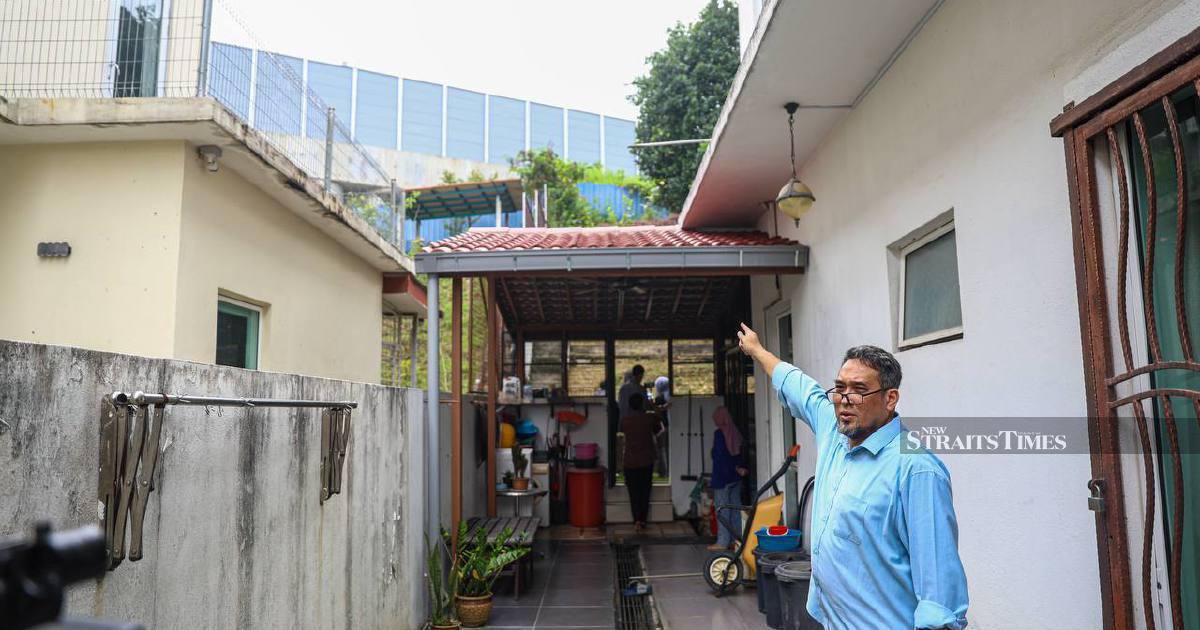
A family in Kuala Lumpur has moved forward with litigation against three entities associated with the East Coast Rail Link initiative, seeking RM1.33 million in compensation for alleged harm to their property. The lawsuit centres on claims that construction operations related to the major infrastructure undertaking have undermined both the safety standards and physical integrity of the household's dwelling.
The East Coast Rail Link represents one of Malaysia's most significant transport infrastructure projects, designed to connect Port Klang in Selangor with Kota Bharu in Kelantan through a 665-kilometre electrified railway corridor. The initiative, which aims to strengthen regional connectivity and facilitate goods transport across the peninsula's east coast, has been a focal point for development discussions since its conception. However, like many large-scale construction endeavours, the project has raised concerns among residents whose properties lie within or near the construction zone.
This particular lawsuit underscores the tensions that frequently emerge between major infrastructure advancement and residential protection in densely populated or developing areas. Residents affected by extensive construction activities often find themselves navigating complex legal frameworks to address complaints about noise, vibration, dust, and potential structural damage. The case highlights the practical challenges families face when attempting to document and prove causation between construction work and property deterioration.
The involvement of multiple defendants in this action suggests that responsibility for construction management, safety oversight, and contractor accountability remains distributed across several organisations. Families pursuing such claims must typically identify and establish liability against the appropriate parties, whether these are the project contractor, project management entities, or the commissioning authority. This multiplicity of potential defendants can complicate litigation strategy and settlement negotiations.
Structural integrity concerns arising from nearby construction warrant serious consideration, as they directly affect property values, insurability, and long-term habitability. Issues such as foundation settling, wall cracking, and water ingress can develop gradually and require expert assessment to establish clear links to external construction activity. The RM1.33 million claim amount suggests the family has conducted professional evaluations to quantify both immediate damage and potential future remediation costs.
Malaysian property law and construction regulations establish certain protections for homeowners affected by nearby development, though enforcement and compensation mechanisms can prove contentious. The Civil Procedure Code and various state building laws provide frameworks for such disputes, yet outcomes often depend heavily on the strength of evidence and expert testimony regarding causation between construction activities and identified damage.
This case arrives amid growing public scrutiny of the ECRL project's overall implementation, timeline, and community impact. While the infrastructure initiative promises substantial economic benefits through enhanced regional trade connectivity and improved transportation efficiency, incidents highlighting resident concerns remind stakeholders of the importance of robust community engagement protocols and proactive damage mitigation measures during construction phases.
For Malaysian residents living near major infrastructure projects, this lawsuit serves as a reminder of the importance of documenting property conditions before construction begins, maintaining detailed records of any observed changes, and engaging professional inspectors when structural issues emerge. The availability of legal remedies provides a check on developer and contractor behaviour, though the expense and complexity of litigation mean many affected families may lack the resources or confidence to pursue such claims.
The outcome of this case could establish important precedent regarding developer accountability in Malaysia, particularly concerning standards for managing construction impacts on surrounding residential areas. Courts are increasingly expected to balance infrastructure development imperatives against individual property rights, and judgments in such matters influence how future projects approach community mitigation strategies.
Beyond the immediate parties involved, this litigation reflects broader conversations about urban planning, zoning protocols, and the need for buffer zones between major construction activities and residential neighbourhoods. As Malaysia continues pursuing ambitious infrastructure goals to support economic growth and regional integration, ensuring that residential safety concerns receive adequate attention and remedy remains a critical policy consideration. The ECRL project, despite its strategic importance, will ultimately be judged not only by its operational success but also by how equitably it addresses impacts on affected communities throughout its construction and operational phases.

