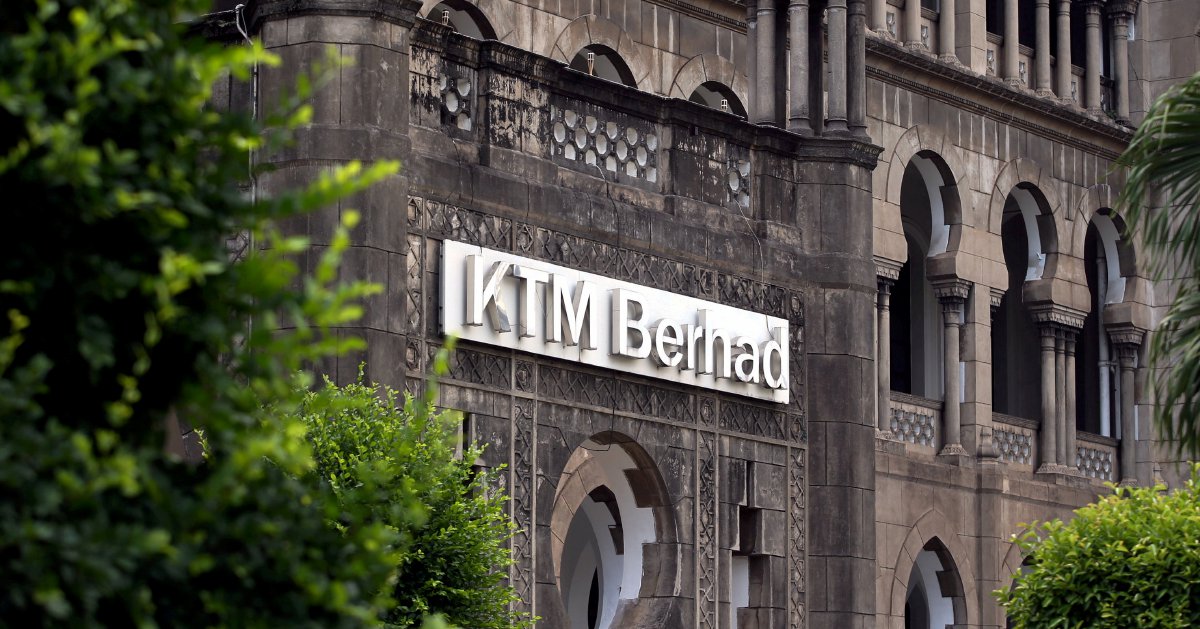
Keretapi Tanah Melayu Berhad (KTMB) has demonstrated considerable momentum in the first six months of 2026, registering a notable uptick in both passenger traffic and financial performance. The national railway operator transported 13.2 million commuters during the period from January to June, marking an eight per cent expansion compared to the corresponding half-year interval in 2025. This passenger surge has translated directly into enhanced revenue generation, with the company's top line reaching RM296 million—a figure that underscores the growing reliance of Malaysian travellers on rail-based urban and intercity connectivity.
The performance metrics reveal a structural shift in modal preferences among Malaysian commuters, particularly in light of persistent urban congestion and the rising costs associated with private vehicle operation. Rail transport, traditionally viewed as a secondary option in a car-centric Southeast Asian market, is increasingly positioning itself as a practical and economical alternative for daily commuting and leisure travel. The eight per cent growth trajectory, whilst measured, suggests that KTMB's investments in service reliability and passenger experience are gaining traction with the travelling public.
For Malaysia's rapidly urbanising population centres, particularly in the Klang Valley and Greater Kuala Lumpur regions, this expansion holds significant implications for traffic management and environmental sustainability objectives. As congestion costs continue to escalate and fuel prices remain subject to global market volatility, the appeal of scheduled rail services becomes more compelling. KTMB's revenue growth of RM296 million indicates that the company is successfully converting this modal shift into concrete financial returns, though the absolute figures suggest the railway network still commands a relatively modest share of the overall transport market.
The first-half performance comes as Malaysian and regional transport planners increasingly emphasise the importance of integrated public transport systems in managing urban mobility challenges. Unlike aviation or highway infrastructure, railway networks require substantial upfront capital deployment but generate sustained operational benefits through improved air quality, reduced congestion, and enhanced livability in metropolitan zones. KTMB's positive trajectory aligns with this strategic imperative, though the organisation remains dependent on government policy support and infrastructure investment to maintain competitive advantages against road-based alternatives.
The revenue figure of RM296 million must be contextualised within KTMB's broader operational structure and competitive environment. Malaysia's rail sector encompasses multiple operators, including the KL Monorail system, the LRT networks managed by Prasarana Malaysia Berhad, and the KTM Komuter suburban rail services. KTMB's contribution to this ecosystem reflects its traditional focus on longer-distance intercity connections alongside suburban commuter services. The eight per cent passenger growth demonstrates that this dual-service model continues to attract users despite competition from airline operators and improved highway networks serving Malaysia's main economic corridors.
Fromward-looking implications for KTMB include the necessity of sustaining this growth trajectory through continued service enhancements and infrastructure modernisation. Malaysian commuters, particularly younger demographics accustomed to seamless digital experiences, increasingly demand integrated ticketing systems, real-time information platforms, and reliable scheduling. The company's ability to deliver these amenities whilst managing operational costs will determine whether the current growth momentum can be converted into long-term sustainable expansion. Regional comparisons with Thai and Indonesian railway operators suggest that prioritising passenger comfort and punctuality yields measurable commercial returns.
The geographical distribution of KTMB's 13.2 million passengers warrants examination. Whilst the Klang Valley dominates passenger volumes, intercity routes connecting major population and economic centres—including the Kuala Lumpur to Ipoh, Kuala Lumpur to Kuala Terengganu, and northern corridor services—contribute meaningful revenue streams. The company's performance in these corridors indicates growing business travel demand and leisure tourism utilisation, factors suggesting economic resilience across multiple Malaysian regions beyond the primary metropolitan area.
Malaysia's broader transport policy framework, particularly the emphasis on reducing private vehicle dependency and supporting the transition toward lower-carbon mobility solutions, creates structural tailwinds for KTMB's operations. Government initiatives promoting integrated transport planning and the expansion of intermodal connectivity enhance the railway operator's strategic positioning. However, realising full potential requires continued investment in track maintenance, rolling stock modernisation, and customer service infrastructure—commitments that demand sustained financial commitment and governance rigour.
The first-half 2026 results also reflect the post-pandemic normalisation of travel patterns in Malaysia. As international border mobility has resumed and domestic tourism recovered, both commuter rail and intercity services have benefited from renewed demand. This cyclical recovery, combined with structural shifts toward sustainable transport choices, positions KTMB advantageously within Southeast Asia's evolving mobility landscape. Whether this eight per cent growth rate can be maintained or accelerated depends substantially on the company's execution of service improvements and the broader macroeconomic context affecting consumer spending and corporate mobility budgets in Malaysia.
Looking ahead, KTMB's trajectory will serve as a bellwether for public transport viability across Southeast Asia. The region's rapidly growing middle class, coupled with intensifying urban congestion, creates opportunities for rail operators that can deliver reliable, affordable, and accessible services. KTMB's first-half performance suggests the company is moving in this direction, yet sustained growth will require strategic clarity, adequate capital deployment, and unwavering commitment to operational excellence—benchmarks against which stakeholders will measure the organisation's contribution to Malaysia's sustainable development agenda.

