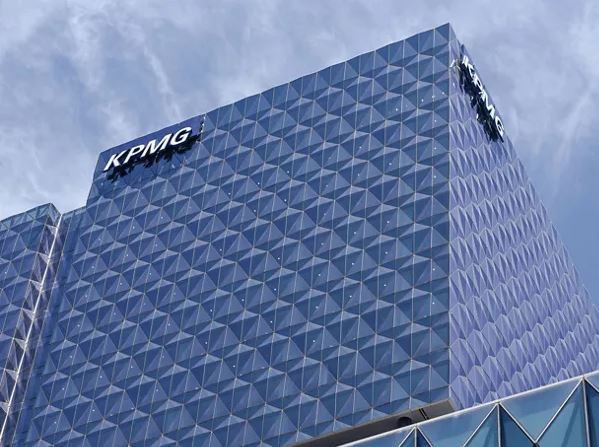
The accounting and audit giant KPMG Australia announced the resignation of its chairman and two senior audit partners on Tuesday, representing a significant escalation in the governance crisis that has engulfed the firm in recent months. The departures of Chairman Martin Sheppard alongside audit partners Paul Rogers and Eileen Hoggett came in response to serious allegations that the firm improperly utilised confidential board papers from major clients to support its competitive bids for significant audit contracts. These exits follow the earlier departure of the firm's chief executive officer and head of audit, underscoring the severity of the institutional failures at Australia's arm of the global KPMG network.
The decision to remove these three executives comes as interim CEO Stan Stavros acknowledged that the firm had fundamentally failed to uphold the professional standards expected of a major audit practice. In a statement released to the media, Stavros characterised the resignations as both necessary and urgent, emphasising that the organisation recognised the extent to which its conduct had damaged relationships with the whistleblower who exposed the misconduct, its own workforce, the clients whose trust had been violated, and the broader Australian business community. His framing of these departures as compulsory rather than voluntary suggests that senior management recognised the reputational and regulatory costs of retaining these individuals would be substantially greater than the costs of their removal.
The scandal centres on allegations that KPMG Australia misappropriated confidential board materials belonging to Lendlease, a major Australian real estate and construction company, to strengthen the firm's proposals when competing for lucrative audit mandates. The disclosure of these allegations in March this year triggered a rapid deterioration in KPMG's standing within the Australian corporate sector and immediately drew the attention of regulatory authorities overseeing audit practice standards. The targeting of confidential board papers is particularly egregious from a professional ethics standpoint, as such materials represent the most sensitive category of client information and their misuse fundamentally violates the fiduciary duty that audit firms must maintain with their clients.
Rogers and Hoggett had been specifically identified by the whistleblower as the lead partners responsible for managing the Lendlease audit engagement and directing the conduct that constituted the alleged misconduct. Their central role in the matter made their continued presence in the firm untenable once the allegations became public and credible. Both partners are now subjects of formal investigation by the Australian Securities and Investments Commission, the nation's corporate regulator, which holds jurisdiction over audit firm conduct and professional standards. The regulatory scrutiny they face creates additional pressure on KPMG's leadership to demonstrate that it takes the breach seriously by removing those directly implicated in the improper conduct.
The cascading resignations signal the depth of the institutional failure within KPMG Australia and reflect how audit scandals of this magnitude inevitably compromise the entire senior leadership structure, not merely those directly involved in the specific misconduct. When fundamental ethical breaches occur at audit firms—organisations entrusted with verifying the financial integrity of listed companies and other major entities—the reputational damage extends throughout the entire organisation. Clients question the firm's commitment to independence and confidentiality, employees worry about their employer's viability, and regulators expand their scrutiny across multiple engagements and business lines. The loss of three senior executives within a short period reflects these cascading consequences.
In response to the crisis, KPMG has committed to strengthening its governance architecture by appointing an independent chair to lead its Australian board and expanding the proportion of independent directors serving on that board. These governance reforms represent a standard remedial response to audit firm misconduct and signal an attempt to create structural independence that might prevent similar breaches in future. However, such governance improvements, while necessary, often prove insufficient to restore full client confidence once the firm's professional judgment has been compromised. The appointment of independent board members is intended to create oversight that is genuinely separate from the firm's operational interests and better positioned to challenge risky or unethical business practices.
For Malaysian and Southeast Asian professionals in audit and corporate governance, the KPMG Australia scandal carries important cautionary lessons about the pressures within global audit practices. The drive to win major client mandates can create incentives that lead partners to cross ethical boundaries, particularly in competitive bidding situations. The consequences—regulatory investigation, loss of clients, reputational destruction, and forced resignations—are severe enough to make misconduct economically irrational. Yet the scandal also demonstrates that even at large, sophisticated professional services firms with supposedly robust internal controls, such breaches can occur and may persist for a considerable period before detection. The role of whistleblowers in exposing the misconduct underscores the importance of robust internal reporting channels and protections for those who raise concerns about professional conduct.
The timing and severity of this scandal also reflects evolving attitudes among regulators and the public toward audit firm independence and client confidentiality. Regulators in developed markets like Australia have intensified scrutiny of audit firms following previous scandals at other global practices, and stakeholders have become more willing to question whether the audit model itself—where clients hire the firms that audit them—adequately protects against conflicts of interest. KPMG Australia's willingness to remove its chairman and senior partners signals recognition that the regulatory and reputational environment now demands swift, decisive action in response to integrity breaches, rather than the more defensive approaches some firms have historically taken.
The broader implications for the Asian region are significant because many multinational corporations and professional service firms operating in Southeast Asia maintain affiliations with KPMG and other global audit networks. The manner in which global firms handle scandals in one jurisdiction increasingly influences client and regulatory perceptions across all markets where they operate. Malaysian clients of KPMG, along with those in Singapore, Indonesia, and other ASEAN nations, will likely scrutinise how thoroughly the firm addresses the governance failures exposed by the Australian scandal. The appointment of independent leadership and board members in Australia may prompt similar governance enhancements across KPMG's regional practices, potentially benefiting audit quality and client confidence throughout Southeast Asia, even as it reflects necessary damage control.