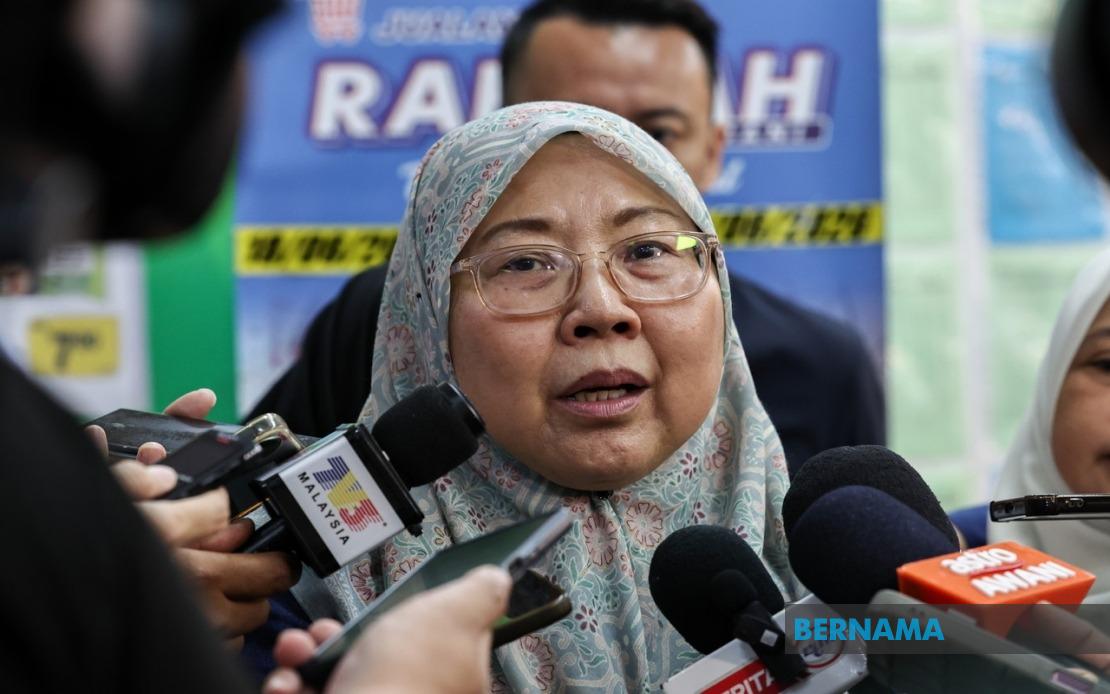
The Ministry of Domestic Trade and Cost of Living (KPDN) has moved to reassure consumers and businesses that essential goods will remain readily available in Johor and Negeri Sembilan despite mounting pressure on global supply chains triggered by the ongoing conflict in West Asia. Deputy Minister Datuk Dr Fuziah Salleh provided the assurance during an inspection of retail outlets, emphasising that the ministry has already positioned itself ahead of an anticipated surge in demand from election officials and visitors travelling into the states for the upcoming ballots.
The ministry's approach centres on restructuring how subsidised cooking oil reaches Malaysian households. Rather than routing supplies through traditional wholesale intermediaries, KPDN has established a streamlined system where repackers deliver directly to retail points of sale, reducing transaction layers and potential bottlenecks. This direct-to-retail pipeline is designed to maximise efficiency while minimising opportunities for supply chain disruptions or stock hoarding during high-demand periods associated with elections.
Johor's monthly allocation of subsidised cooking oil stands at approximately 3,000 metric tonnes, a substantial volume handled by a network of 18 repackers operating across 95 distribution points. The retail footprint includes major supermarket chains such as Econsave, ensuring that subsidised oil reaches consumers across diverse shopping environments from major urban centres to smaller suburban outlets. An inspection at Econsave Taman Daya revealed stable inventory levels, with around 100 cartons delivered daily to meet genuine local demand patterns.
A critical component of the supply management strategy involves implementing controls at checkout points to ensure that subsidised goods reach only eligible Malaysian citizens. The ministry has deployed scanning technology requiring customers to present their MyKad identification or use dedicated applications before purchase, a verification mechanism intended to prevent leakage of subsidised products to unauthorised buyers or resellers. Such gatekeeping mechanisms become particularly important during election periods when heightened footfall and visitor numbers could create opportunities for misuse of price-controlled items.
The broader Rahmah MADANI Sales Programme (PJRM), which extends beyond cooking oil to encompass other essential items at controlled prices, has demonstrated substantial reach and engagement across Malaysia. Between January 1 and June 13, 2026, the programme conducted 13,692 events nationwide, with Johor accounting for 920 of these sessions distributed across all 56 state constituencies. These figures translate to more than 2.3 million customer visits and approximately 1.46 million individual transactions in Johor alone, suggesting that the subsidy programme has achieved meaningful penetration among the shopping population.
For Malaysian and Southeast Asian observers, the situation reflects broader challenges facing the region's supply chains and cost-of-living pressures. The West Asian conflict has elevated freight costs and insurance premiums affecting maritime trade routes through the Strait of Malacca and beyond, squeezing margins for food importers and logistics operators across Southeast Asia. Malaysia's response through direct distribution systems and subsidised pricing represents one policy approach to insulating domestic consumers from international volatility, though such measures also carry fiscal implications and require robust inventory management to prevent shortages or misallocation.
The timing of these supply assurances is significant given Johor's political importance within Malaysia's federal structure. As the nation's second-largest state by population and a major economic contributor, any supply disruptions during state elections could amplify public anxiety about cost-of-living issues and governmental competence. By proactively addressing supply concerns before nomination day on June 27, the ministry aims to prevent the emergence of perceived shortages that could become political liabilities during the campaign period leading to early voting on July 7 and main polling on July 11.
Negers Sembilan, though smaller in population, similarly receives attention within the ministry's preparedness framework. The state's inclusion in forward planning reflects the principle that essential good supply chains require coordinated management across multiple jurisdictions, particularly when both states are holding elections simultaneously. Supply disruptions in one state could theoretically create cross-border purchasing patterns that destabilise distribution networks in neighbouring regions, necessitating a comprehensive approach rather than piecemeal arrangements.
The verification controls implemented at retail checkpoints represent an evolution in subsidy administration reflecting digital governance trends across Southeast Asia. By requiring MyKad scanning or app-based verification, Malaysia moves beyond honour-system purchasing to database-enabled verification that can theoretically track subsidy usage patterns and prevent individual exploitation. However, such systems also raise questions about data privacy and administrative burden on retailers, considerations that presumably feature in the ministry's operational protocols though not detailed in public communications.
Looking forward, the success of KPDN's supply management strategy during the election period will offer insights into whether streamlined distribution networks and technology-enabled verification can effectively sustain affordability programmes at scale. The figures indicating high transaction volumes through PJRM suggest consumer demand for price-controlled essentials remains substantial, underlining the political and social significance of maintaining supply stability. As regional governments across Southeast Asia grapple with balancing fiscal sustainability against cost-of-living pressures, Malaysia's evolving approach to subsidy delivery and verification provides a case study in administrative innovation alongside the more conventional elements of pre-election planning.

