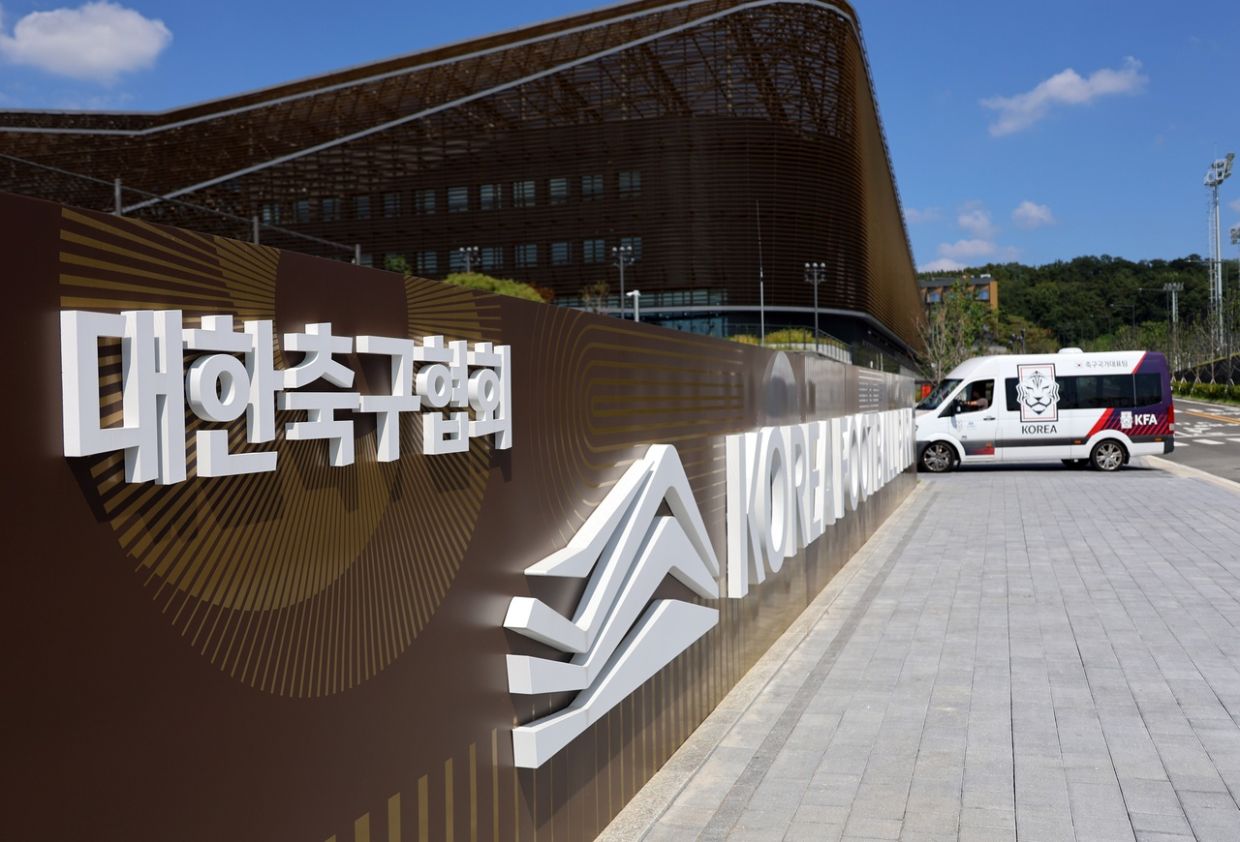
The Korea Football Association's admission of wrongdoing in connection with alleged sexual bribery of foreign referees has rapidly escalated into a regional crisis, drawing scrutiny from neighbouring football authorities and threatening the integrity of matches played more than a decade ago. Within hours of the KFA's public apology on Saturday, Japan's football governing body confirmed it is examining the conduct of four Japanese referees allegedly implicated in the scheme, signalling that the fallout will extend well beyond Seoul's borders and reshape how Asian football bodies approach transparency and accountability.
According to documents unearthed from a 2016 audit by South Korea's Ministry of Culture, Sports and Tourism—findings that resurfaced this month following an investigative report by JTBC on August 6—the KFA channelled entertainment expenses through corporate credit cards on eight separate occasions between March 2011 and March 2012. These payments funded activities at massage establishments for approximately ten foreign referees and match commissioners connected to seven international fixtures played on South Korean soil, encompassing three World Cup and Olympic qualification matches alongside four friendly encounters. The revelation has placed intense pressure on governance structures across Asian football, prompting questions about how such conduct could persist unchecked for years before coming to public attention.
The timing and nature of these payments have fuelled uncomfortable speculation about potential match-fixing, particularly given that South Korea's national team compiled a 5-2-0 record across the seven matches in question. While Korean football officials have categorically denied any suggestion that results were compromised, the statistical success combined with documented evidence of entertainment provision creates a perception problem that extends far beyond the immediate facts. This association with potentially influencing outcomes in qualifying competitions—especially those determining eligibility for the World Cup and Olympic Games—strikes at the credibility of Asian football at its most consequential moments.
The Japan Football Association's decision to investigate four of its referees represents a critical validation of the audit's findings and suggests that Japanese football authorities take the allegations with appropriate seriousness. Two of these officials have been publicly named in Japanese media reports, one of whom currently serves in a managerial capacity overseeing J-League referees, while another officiated a 2012 World Cup qualifier between South Korea and Kuwait—a match the audit specifically identifies as involving entertainment for two referees. However, Japanese commentators have noted an important distinction: officiating a match does not automatically establish that an individual referee received such entertainment, a caveat that underscores the complexity of determining culpability in cases spanning more than a decade.
The scandal has arrived at a particularly turbulent moment for Korean football governance. The KFA issued its apology amid multiple concurrent pressures, including a parliamentary hearing examining broader institutional governance failures and a police raid on the association's offices connected to a separate controversy surrounding the 2024 appointment of former coach Hong Myung-bo. This convergence of crises suggests systemic weaknesses in oversight and institutional culture that extend beyond the isolated misconduct documented in the 2016 audit. The association's statement acknowledged causing "disappointment and concern" and pledged sweeping reforms aimed at restoring public confidence, though observers question whether such undertakings represent genuine structural change or damage-control rhetoric.
International football governance bodies face considerable challenges in addressing the scandal retrospectively. FIFA's ethics code typically imposes a statute of limitations ranging from five to ten years on most disciplinary matters, a window that has long since closed for conduct occurring in 2011–2012. The only exception involves sexual abuse or exploitation, categories into which this case does not cleanly fit within FIFA's framework. Furthermore, the passage of time has rendered most of the referees named in the audit retired from active competition, complicating the question of what meaningful sanctions FIFA might impose even if it possessed clear jurisdiction.
A prior South Korean criminal investigation into the matter was terminated due to insufficient evidence, a decision that shifted attention toward administrative and governance accountability rather than criminal culpability. This outcome reflects the evidentiary challenges inherent in prosecuting historical cases involving international transactions and disparate witnesses. The reliance on administrative investigation rather than criminal proceedings also suggests that proving intent to influence match outcomes—a critical element of match-fixing charges—may have presented insurmountable obstacles, even if the underlying entertainment provision could be documented.
For Malaysian and Southeast Asian football stakeholders, the scandal carries sobering implications regarding the institutional maturity of Asian football governance. The revelation that a major football association could systematically use corporate financial mechanisms to fund questionable entertainment for match officials without immediate detection or accountability raises uncomfortable questions about oversight capacity across the region. Malaysia's own football governing structures, like those throughout Asia, must contend with the reality that reputational damage to the sport's integrity can persist and spread internationally even years after the conduct in question occurred, underscoring the importance of transparent financial controls and robust internal compliance mechanisms.
The geographical spread of the investigation, now encompassing both Korean and Japanese authorities, establishes a precedent for regional cooperation in addressing governance failures. However, observers remain sceptical about the likelihood of formal FIFA sanctions given the temporal distance, the retirement of most officials involved, and the difficulties in establishing clear causal links between entertainment provision and specific match outcomes. This outcome may inadvertently signal that sufficiently aged misconduct falls beyond effective international discipline, a prospect that could undermine deterrence for future violations if not addressed through prospective reforms.
Moving forward, the scandal underscores the necessity for Asian football associations to implement genuine institutional reforms that extend beyond rhetorical apologies. Strengthened financial auditing, independent governance oversight, and transparent reporting mechanisms represent foundational elements that the KFA and other regional bodies must prioritise. The involvement of Japan's football authority in investigating its own officials suggests that regional pressure and transparency norms may gradually reshape how Asian football bodies approach accountability, though meaningful change will require sustained commitment beyond the immediate crisis cycle.

