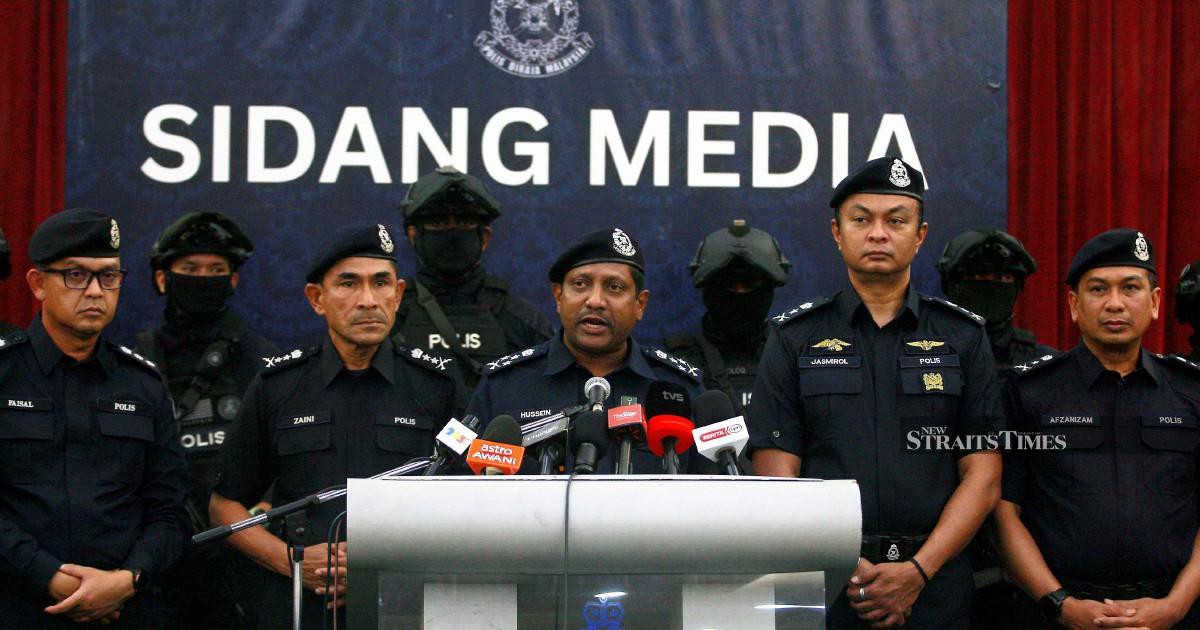
Police investigators have brought in a Kuala Lumpur International Airport employee for questioning following the arrest of a Malaysian pilot on drug-related charges in Jakarta, though authorities remain unable to confirm at this stage whether any KLIA insiders facilitated the alleged smuggling operation. The development marks a significant escalation in a case that has drawn heightened scrutiny to security practices at Malaysia's premier aviation hub and raised concerns about potential vulnerabilities in airport procedures during the movement of persons and contraband across borders.
The questioning of the KLIA staff member represents an important investigative step in determining the full scope of the case. Law enforcement officials are examining whether airport employees may have provided assistance, whether intentionally or otherwise, that could have enabled the pilot to transport prohibited substances. Such inquiries are standard protocol when drugs are recovered from individuals with occupational access to restricted areas and flight operations, yet the lack of confirmed insider involvement at this juncture suggests investigators are still gathering preliminary information rather than building a conclusive case.
The arrest in Jakarta has thrust Malaysia into an uncomfortable international spotlight regarding narcotics trafficking and aviation security. The incident raises significant questions about how controlled substances moved through one of Southeast Asia's busiest airports without detection. This development carries particular weight given KLIA's status as a major regional transit point and its position as a critical component of Malaysia's international travel infrastructure. Any compromise in security protocols could undermine confidence in the airport's ability to safeguard both passengers and national interests.
The investigation's early stage underscores the complexity of such cases, where establishing definitive links between individuals requires careful documentation of communications, financial transactions, and movements. Police must distinguish between coincidental contact and deliberate coordination, a distinction that demands substantial corroborating evidence before formal accusations can be made. The cautious tone adopted by investigating officers reflects professional standards that prioritize accuracy over speed in building a prosecutable case.
For the aviation industry across Southeast Asia, including Malaysia, such incidents trigger mandatory reviews of security protocols and staff vetting procedures. Airlines and airport operators are acutely aware that regulatory scrutiny intensifies following high-profile arrests, particularly those involving their own personnel. KLIA management faces potential pressure to demonstrate that they maintain robust systems to prevent repeat incidents, though the airport's security framework had previously been considered among the region's most comprehensive.
The involvement of a pilot—someone with inherent privileges within aviation systems—compounds concerns about the sophistication of potential smuggling networks. Pilots enjoy particular access to aircraft and certain restricted zones, making them valuable assets to trafficking organizations. If coordinated with complicit airport staff, such arrangements could represent a serious operational threat that extends beyond individual cases to broader systemic vulnerabilities.
Regional implications warrant consideration, as Southeast Asia has become increasingly important to major drug trafficking networks seeking new routes and methods. The routes connecting Malaysia to Indonesia, particularly through air travel, represent significant trafficking corridors. Any evidence suggesting organized criminal use of airport infrastructure or aviation personnel would signal a troubling trend that demands coordinated multinational responses. Malaysia's law enforcement partnerships with Indonesian authorities, demonstrated through the Jakarta arrest itself, underscore the necessity of regional cooperation in combating cross-border narcotics operations.
The questioning process itself provides authorities with an opportunity to map potential connections between airport operations and criminal networks. Officers will likely scrutinize duty rosters, security camera footage, and communication records to establish patterns of contact and movement. Such forensic investigation can reveal whether the KLIA staff member had legitimate operational reasons to interact with the pilot or whether such contact suggests intentional facilitation of illegal activity.
Public confidence in airport security rests partly on transparent investigation and accountability when breaches occur. While ongoing investigations necessarily restrict what officials can disclose, the acknowledgment that questioning has taken place maintains public awareness of authorities' commitment to pursuing all investigative leads. The Malaysian public expects competent, thorough investigation of any suggestion that airport insiders might exploit their positions for criminal purposes.
The uncertainty surrounding insider involvement reflects investigative reality rather than investigator incompetence. Complex cases involving transnational elements, multiple jurisdictions, and institutional actors require methodical development of evidence. As long as the investigation remains active, authorities maintain the possibility of uncovering networks that extend beyond the initial pilot arrest. The questioning of KLIA personnel represents a logical investigative step designed to rule out or confirm internal airport involvement in what may be part of a larger trafficking organization.

