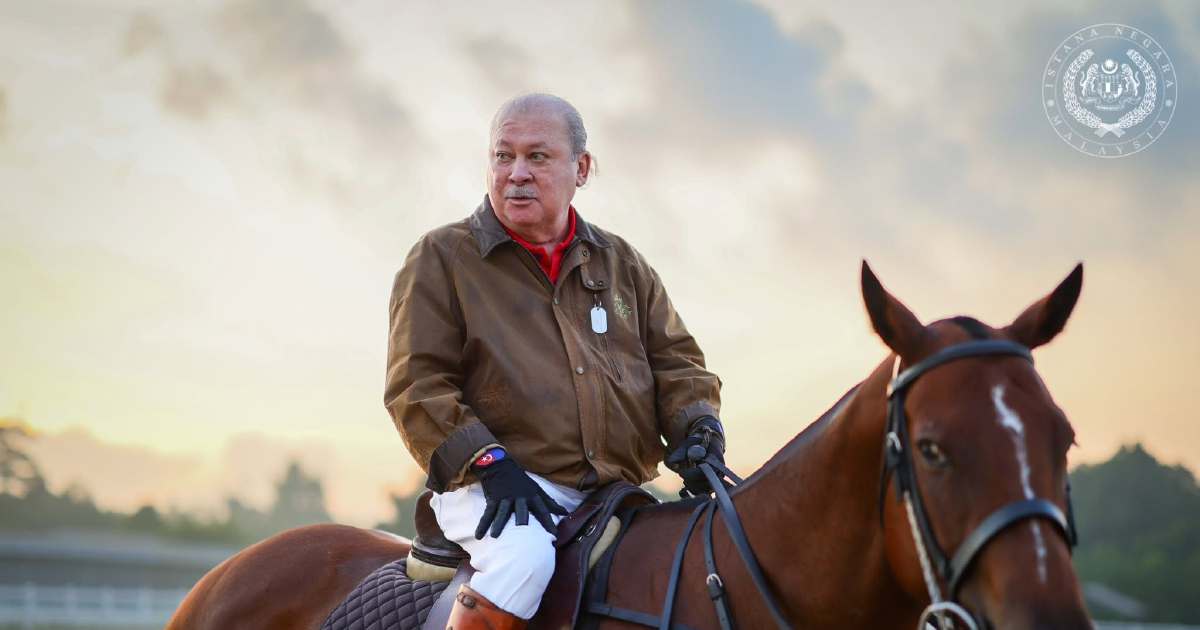
His Majesty Sultan Ibrahim, King of Malaysia, participated in his customary morning equestrian activities at the Royal Johor Polo Club located at Istana Pasir Pelangi in Johor Baru. The riding session demonstrated the sovereign's consistent dedication to maintaining his personal fitness through horsemanship, a pursuit he has incorporated into his regular schedule.
The King's commitment to morning horse riding reflects a broader pattern of physical activity that has become characteristic of his daily routine. Equestrian pursuits offer substantial health benefits, combining cardiovascular exercise with balance, core strength development, and coordination. For individuals in leadership positions, such activities provide not only physical conditioning but also mental clarity and stress management during demanding official duties.
The Royal Johor Polo Club, situated at the historic Istana Pasir Pelangi, serves as an appropriate venue for such activities. The estate has long been associated with the royal family's leisure pursuits and maintains facilities suitable for equestrian training and recreation. The club's establishment and maintenance reflect the enduring connection between Malaysia's monarchy and traditional sporting heritage.
Observations of the King's riding technique noted a particularly controlled and composed demeanor throughout the session. This measured approach to horsemanship suggests both extensive experience and attentiveness to safety protocols. For individuals in the public eye, particularly heads of state, the maintenance of visible wellness routines carries symbolic weight, projecting vitality and continuity of leadership to the broader population.
His Majesty's regular participation in such activities also underscores the importance placed on personal health and wellbeing at the highest levels of Malaysian governance. The consistency of his fitness regimen, despite the substantial time demands of royal duties, demonstrates a prioritisation of wellness that contrasts sharply with sedentary leadership styles. This commitment may serve as an implicit example to the public regarding the value of sustained physical activity.
The horse riding routine forms part of a broader lifestyle approach that integrates traditional recreational pursuits with contemporary wellness consciousness. Polo itself, historically an aristocratic sport, has maintained its place within royal circles across Asia, and Malaysia is no exception. The sport combines recreational enjoyment with genuine athletic demands, making it an appropriate choice for sustained fitness maintenance.
The calm and relaxed nature of the riding session, as characterised in accounts of the activity, suggests an emphasis on steady, sustainable exercise rather than intense, strenuous exertion. This approach aligns with medical guidance regarding optimal fitness practices for individuals across all age groups, emphasising consistency and moderation over sporadic intensity. For public figures, this measured approach also minimises health risks associated with overexertion.
The visibility of the King's fitness activities, whether through official observations or public reporting, creates a form of transparent governance regarding royal wellness. Unlike some world leaders who maintain private fitness routines hidden from public view, the documented participation in such activities indicates a degree of openness about the sovereign's physical condition and lifestyle choices. This transparency may contribute to public confidence in the continuity of royal leadership.
The continuation of the morning routine at Istana Pasir Pelangi also reflects the significance of Johor in the Malaysian royal context. As the homeland of the current monarch, the state maintains special cultural and historical importance. The King's regular presence at royal residences within Johor, and his engagement in activities at prominent venues such as the polo club, underscores the ongoing connection between the monarchy and the state.
Beyond the immediate context of personal fitness, the King's regular equestrian activities connect to broader themes of Malaysian heritage and cultural continuity. Horse riding and polo maintain historical resonance within Asian royal traditions and Malaysian sporting culture. The sustained practice of such activities, despite modernisation and social change, signals a commitment to preserving certain traditional elements of royal life and identity.
The routine nature of such fitness activities, documented through official observations and media reporting, demonstrates the rhythms of royal life in contemporary Malaysia. While the King maintains substantial official responsibilities, the capacity to sustain personal wellness routines illustrates the structured nature of royal scheduling and the emphasis placed on balancing governance with personal health. This balance becomes increasingly important as societies age and healthcare considerations gain prominence in public discourse.
The report of the King's continued riding routine ultimately serves as a modest but meaningful indicator of administrative normality and continuity within the Malaysian monarchy. Fitness routines represent one of the most consistent and predictable elements of daily life, and their maintenance signals that underlying systems of royal governance and lifestyle continue uninterrupted, despite any broader national or international developments that may occupy public attention.

