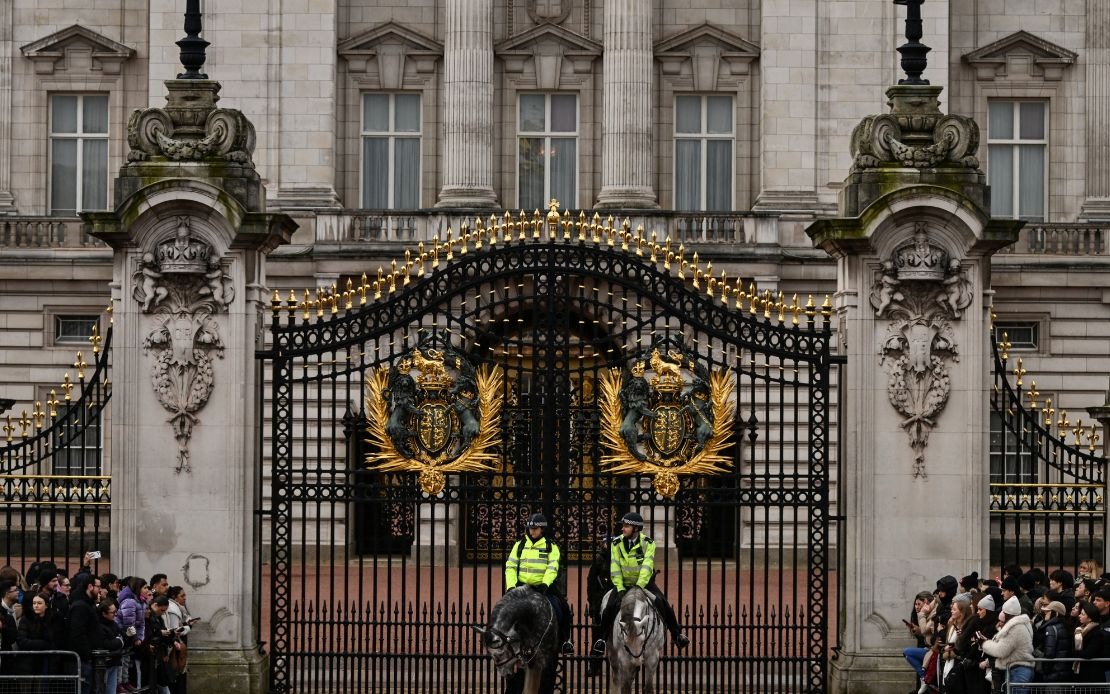
King Charles III and Queen Camilla have clarified their vision for Buckingham Palace following its decade-long overhaul, announcing that the iconic London residence will remain the ceremonial headquarters of the British monarchy but will not serve as their private home. The Royal Household made this announcement on Thursday in a statement accompanying the royal finances report, confirming that once the extensive refurbishment programme concludes, the palace will exclusively function as a venue for state ceremonies, official receptions, and public events rather than as a royal residence.
The decision reflects a deliberate strategic shift in how the modern monarchy operates its most famous property. By designating Buckingham Palace purely as a ceremonial and administrative centre, the royal family signals an evolution in balancing tradition with contemporary royal practice. This arrangement allows the palace to fulfil its symbolic role as the principal workplace of the Royal Household while simultaneously opening greater opportunities for public access and engagement with Britain's heritage.
The Buckingham Palace Reservicing Programme has entered its final stages, having progressed through nine of its planned ten-year duration. This extensive maintenance and modernisation project addresses critical infrastructure needs accumulated over decades, ensuring the palace remains functionally secure and appropriate for twenty-first century official ceremonies and events. The refurbishment represents one of the most significant capital projects undertaken on a royal residence in modern times.
Public engagement with royal palaces has grown substantially under the current reign. During the 2025-2026 financial year, the Royal Household recorded nearly 97,000 guests attending 827 events across royal palaces, demonstrating substantial public interest in accessing and experiencing these historic properties. By maintaining Buckingham Palace as a ceremonial centre rather than a private residence, the monarchy can continue accommodating this level of public-facing activity without compromising the privacy arrangements necessary for the royal family's personal life.
The financial implications of this arrangement are substantial. The Sovereign Grant, which provides public funding for the monarch's official duties and the upkeep of occupied royal palaces, increased to £132.1 million for the 2025-2026 financial year. Within this allocation, £67.5 million was specifically designated for preserving and protecting the royal palaces currently occupied by the royal family, reflecting the significant ongoing costs associated with maintaining these heritage properties to appropriate standards.
For Southeast Asian observers and those interested in comparative monarchy, this development illustrates how contemporary royal households navigate the tension between historical prestige and functional modernisation. Buckingham Palace functions as both a working government building and a global symbol of British monarchy, making decisions about its future use inherently complex. The choice to designate it ceremonial rather than residential represents a pragmatic resolution that preserves its iconic status while acknowledging changing royal household practices.
The refurbishment programme itself addresses infrastructure challenges that had accumulated across multiple generations. Critical systems including electrical installations, plumbing, heating, and structural elements required comprehensive updating to meet modern safety standards and operational requirements. This investment in Buckingham Palace's physical infrastructure ensures that state functions and official events can continue uninterrupted during the refurbishment's final phases.
The arrangement also reflects broader trends in how contemporary monarchies manage their property portfolios. Rather than maintaining multiple fully-staffed residences, modern royal households increasingly focus resources on properties that serve specific strategic purposes. Buckingham Palace's exclusive dedication to ceremonial functions allows the monarchy to concentrate investment and management efforts while ensuring the property remains optimally suited to its primary role.
This decision carries implications for how the British monarchy presents itself internationally. As the principal workplace of the Royal Household and a venue for state ceremonies, Buckingham Palace will continue hosting foreign dignitaries, conducting official business, and serving as the setting for major ceremonial events. Its status as a heritage asset open to greater public access enhances Britain's soft power and reinforces the palace's significance within the global cultural landscape.
The modernisation project also ensures that ceremonial functions can be conducted in facilities equipped with contemporary conveniences and security measures appropriate for twenty-first century state events. Updated infrastructure within Buckingham Palace will support the complex logistics required for hosting state banquets, official receptions, and diplomatic functions that form crucial elements of British statecraft and international relations.
As the refurbishment programme enters its final year, attention will increasingly focus on the practical implementation of this ceremonial-centred approach. The Royal Household's explicit commitment to using Buckingham Palace as the principal ceremonial centre of royal life suggests detailed planning regarding event scheduling, public access protocols, and the coordination of official ceremonies with maintenance requirements.
Looking ahead, the completion of the Buckingham Palace refurbishment will mark a significant milestone in the reign of King Charles III. The project demonstrates the substantial investment required to maintain historic royal properties while adapting them for contemporary use. By clarifying that Buckingham Palace will function as a ceremonial and public-facing institution rather than a private residence, the monarchy has provided clear direction for the palace's future role and purpose.

