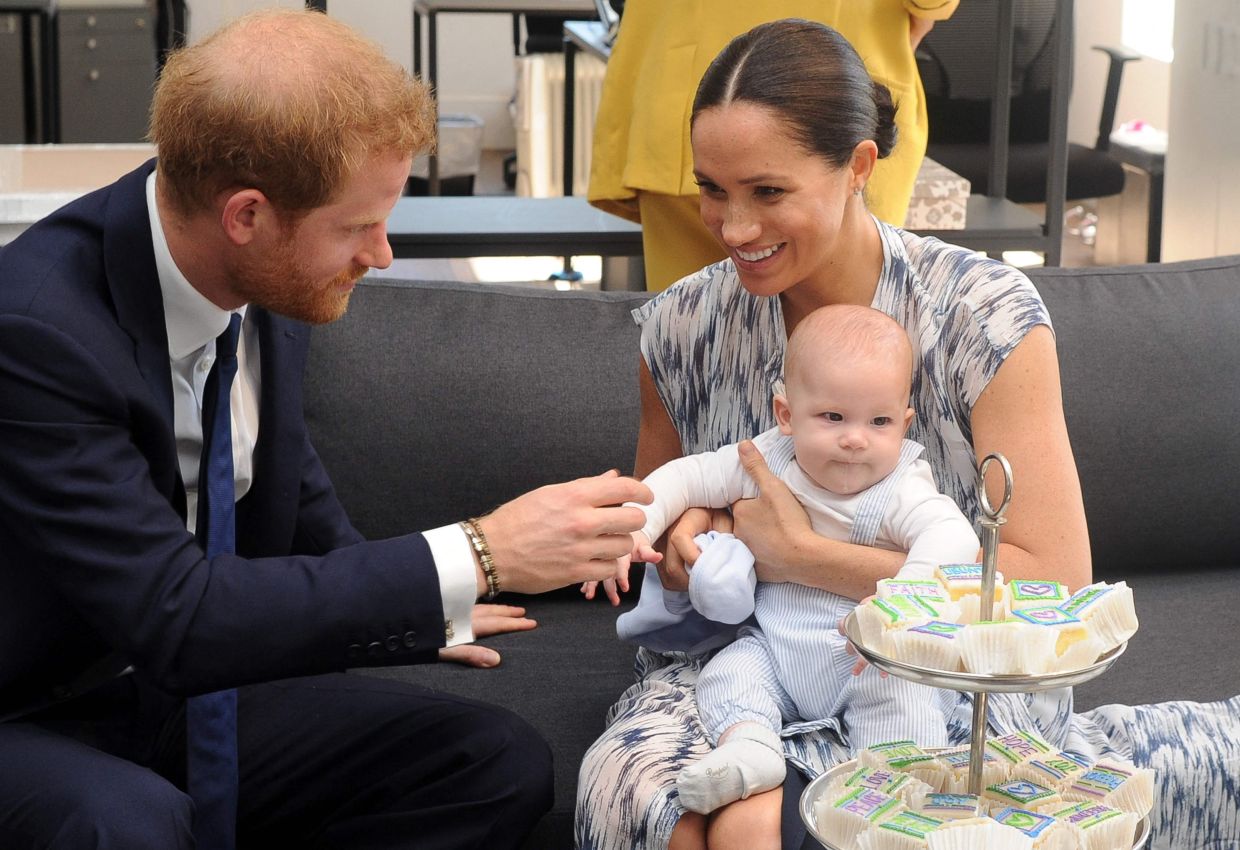
King Charles III has extended an olive branch to his estranged son Prince Harry by hosting him, his wife Meghan and their two children at Highgrove House, a country retreat west of London, in what represents the first substantial family gathering in years. The meeting, confirmed by Buckingham Palace, comes as both sides appear motivated to mend a relationship fractured since Harry and Meghan stepped back from royal duties and relocated to the United States six years ago. The presence of Prince Archie, seven, and Princess Lilibet, five, at the private meeting underscores the significance of the occasion—offering the young royals their first extended opportunity to know their grandfather since a brief encounter during Queen Elizabeth II's Platinum Jubilee celebrations in 2022.
Harry's return to his homeland at the beginning of July was ostensibly centred on a series of charitable engagements, yet media attention swiftly pivoted to speculation about whether he would reconcile with his father. The uncertainty extended to whether Meghan would accompany him and, perhaps more pressingly, if the children would join them. Such questions consumed considerable space in British tabloid coverage, reflecting the public fascination with the family drama that has played out since the couple's departure. The logistical challenges of arranging such a meeting were considerable. The royal calendar operates on schedules set months or years in advance, and orchestrating a family visit required squeezing the meeting into tight windows created by school calendars and the family's California-based residence.
The week preceding the meeting illustrated how fragile negotiations remained between the two sides. Buckingham Palace initially extended an invitation for Harry to lodge at Buckingham Palace itself, only to withdraw the offer when the prince did not confirm his acceptance within what officials deemed an appropriate timeframe. Such bureaucratic squabbles highlighted the residual tension underlying efforts at reconciliation. Yet the desire to create meaningful moments appeared sufficiently strong on both sides to overcome these obstacles. For Harry, the opportunity held particular urgency given his father's recent cancer diagnosis. The 77-year-old monarch is undergoing treatment for an undisclosed form of the disease, a reality that has seemingly concentrated minds on the fragility of family relationships and the finite window for healing old wounds.
Prior to this meeting, Harry and Charles had managed only a brief tea together in September during an earlier London visit—their first face-to-face encounter in more than a year. That encounter, though cordial, remained relatively formal and constrained. The Highgrove visit represented a significant escalation in both the duration and scope of contact, particularly with the inclusion of Meghan and the children. The decision to keep the meeting entirely private, with no official photographs released to the public, suggests an attempt to shield the gathering from the intense media scrutiny that has characterised much of Harry and Meghan's public dealings since their departure from royal duties.
The path to this moment has been strewn with public recriminations and legal battles. Harry's decision to publish a memoir detailing his perspective on life within the royal family generated considerable controversy, containing criticisms that stung various family members. His particularly harsh assessment of Queen Camilla—accusing her of leaking private conversations to the media in service of rehabilitating her public image—created fresh tensions at a time when reconciliation seemed distant. Beyond the memoir, Harry's protracted legal struggles against British tabloid publishers have consumed considerable time and resources, with his efforts to hold media outlets accountable for privacy violations meeting with limited success. A recent court judgment saw him fail to substantiate privacy claims against a major publisher, marking yet another setback in his campaign to reform press practices in Britain.
These legal campaigns have represented a persistent source of friction within the royal family. While Harry has framed his lawsuits as principled stands against invasive journalism, some in the family and their advisers have viewed them as counterproductive exercises that keep grievances in the public eye. The tension between Harry's determination to challenge press practices and his stated desire for family reconciliation has created an apparent paradox that has puzzled observers of the royal saga. Yet Harry's comments to the BBC suggest he has reached a point of pragmatic reassessment. "I would love reconciliation with my family," he stated. "There's no point in continuing to fight anymore. I don't know how much longer my father has."
For Malaysian and Southeast Asian observers, the royal drama offers a case study in how wealth, privilege and institutional power do not insulate families from the universal human challenges of managing conflict and achieving reconciliation. The situation also illustrates how modern communications technology and globalisation have transformed even traditional institutions—the royal family's relocation of a key member to California created a genuinely different set of constraints and possibilities compared to previous eras of royal family separation or estrangement. The involvement of charitable work as a framework for Harry's visit also reflects contemporary expectations that public figures use their platforms and resources for social good, a value that transcends national borders.
The underlying tensions between the House of Windsor members have intensified considerably since Harry and Meghan's 2020 departure from royal life. What began as a disagreement about roles and responsibilities evolved into a more fundamental questioning of institutional practices and values. The couple's subsequent media ventures in California, including their production deal with Netflix and podcast projects, represented not merely a career pivot but a statement about alternative models of public life outside the constraints of traditional royalty. This divergence created a narrative of incompatibility that appeared, until recently, to be permanent.
Yet the Highgrove meeting suggests that time and mortality have a clarifying effect on family priorities. King Charles's illness appears to have functioned as a catalyst, making abstract notions of reconciliation feel suddenly concrete and urgent. For Harry, who has expressed concern about the unknown trajectory of his father's condition, the meeting offered a chance to move beyond the rhetorical expressions of regret that characterised earlier statements. The presence of the children adds another dimension—a recognition that maintaining family bonds across generations represents a value that transcends the specific disagreements that divided the adults.
The significance of this meeting extends beyond the immediate family dynamics. It signals to the broader British public, and indeed to Commonwealth nations including Malaysia, that even institutions as ancient and formal as the monarchy must adapt to contemporary realities. The presence of Meghan at the gathering, in particular, represents a statement about her place within family structures, moving beyond the marginalisation that characterised much of the period following her departure from royal duties. Whether this meeting represents the beginning of substantive reconciliation or merely a modest warming of relations remains to be seen, but it suggests that both sides have concluded that the costs of continued estrangement outweigh the benefits of maintaining their previous positions.

