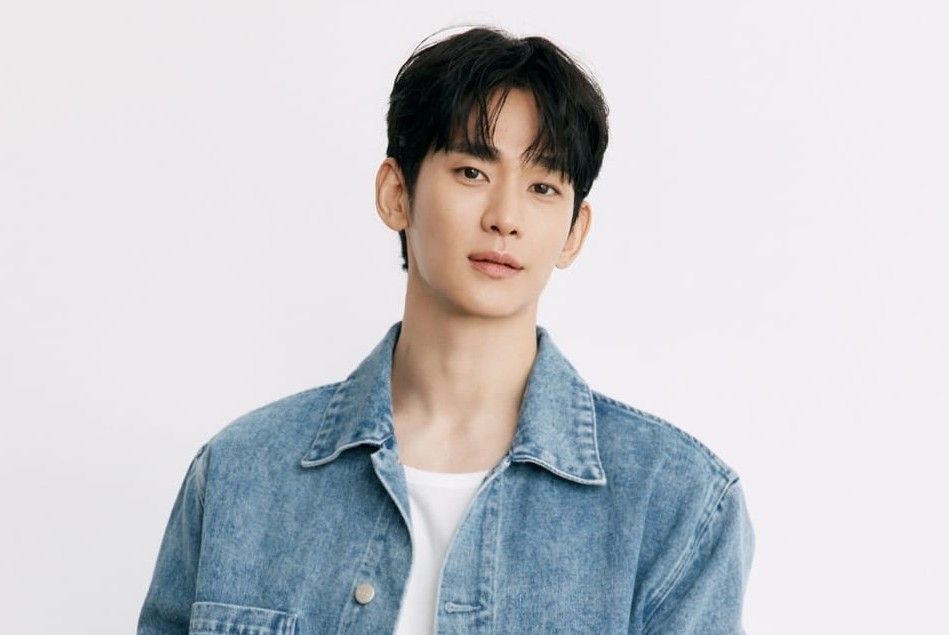
South Korean actor Kim Soo-hyun has broken his year-long silence with the launch of a high-profile advertising campaign for Bench, the Philippines' largest clothing and lifestyle retail chain, marking what observers view as a calculated effort to rebuild his public presence after a damaging personal controversy. The campaign was unveiled through the brand's founder Ben Chan, who posted behind-the-scenes images on Instagram on July 14 alongside a message welcoming the actor back to the Bench family, signalling the conclusion of a carefully managed period away from the spotlight.
The commercial shoot features Kim in a series of promotional photographs and video content styled around Bench's seasonal collections. Chan's Instagram posts showed the actor in relaxed settings, including a notable image where Kim stands beneath a striking red balloon arrangement with smaller balloons forming his initials—a celebratory visual approach designed to emphasize renewal and fresh beginnings. Additional photographs showcase Kim wearing various Bench outfits, accompanied by captions using heart emojis to reinforce emotional connection and brand loyalty messaging.
Bench's creative leadership has framed Kim's involvement as a milestone moment for the collaboration. Miguel Pastor, creative director for Suyen Corporation, the parent company overseeing Bench's operations, positioned the actor's return as the beginning of a new professional chapter. Pastor's statement emphasized that Kim's reappearance as the face of Bench represented a significant marker in his broader career trajectory, suggesting that this partnership would serve as a platform for his gradual re-entry into public and commercial work.
The comeback campaign had been telegraphed in advance through Kim's agency Gold Medalist, which announced on June 5 that the actor would participate in commercial and photographic content for the retail chain. This advance notice allowed media and industry observers to prepare for his public reappearance, avoiding the shock of an unexpected announcement while building anticipatory interest among fans and business stakeholders alike.
Kim's withdrawal from public life in March 2025 followed serious allegations regarding his personal relationships. The controversy stemmed from accusations that he had been romantically involved with late actor Kim Sae-ron during a period when she was a minor. The actor publicly denied these claims, maintaining that any relationship had commenced only after the individual had attained legal adulthood. This distinction between the timing of the alleged relationship and the accuser's age formed the crux of his defence against the allegations.
The source of these accusations was Kim Se-ui, head of HoverLab, who initiated the public dispute. Following a police investigation that extended into May, authorities concluded that the allegations raised by Kim Se-ui were unsubstantiated and false. This official determination provided legal vindication for the actor, paving the way for him to pursue his own course of action. Kim subsequently filed a defamation lawsuit against Kim Se-ui, seeking legal accountability for the damage caused by the false allegations and their impact on his reputation and career prospects.
Beyond the personal controversy, the scandal generated significant commercial consequences for Kim's business relationships. The outdoor brand Eider initiated a separate damages lawsuit, alleging that the controversy had materially harmed the company's brand value and market positioning. The legal dispute between Eider and Kim's agency extended through the first half of 2025, creating ongoing uncertainty about the full commercial fallout from the controversy. However, on July 8, a court issued a settlement recommendation, suggesting that both parties consider resolving their dispute outside of protracted litigation.
For Malaysian and Southeast Asian audiences, the Kim Soo-hyun situation illustrates broader patterns concerning celebrity management in the Korean entertainment industry and the significant reputational and financial stakes involved when public figures become embroiled in controversy. The Bench partnership represents a calculated rehabilitation strategy, leveraging a major regional brand partnership to normalize Kim's public presence and signal that business confidence in his future earning potential remains viable despite recent difficulties.
The timing of this campaign launch also reflects the entertainment industry's pragmatic approach to scandal recovery. Rather than waiting for public sentiment to shift entirely on its own, Kim's team has orchestrated an active return through a prominent international brand partnership. This strategy allows the actor to control the narrative around his comeback, positioning himself as a valued commercial asset rather than waiting passively for opportunities to resurface. The Bench collaboration essentially serves as his re-introduction to regional audiences who may have followed the controversy but not tracked the police investigation's conclusion.
The Philippines-based retail partnership carries particular significance as a regional bridging opportunity. Bench operates extensively throughout Southeast Asia and maintains substantial brand recognition beyond the Philippines, making it an influential platform for reaching audiences across the region. By securing this high-visibility endorsement, Kim gains exposure to markets that remain significant for Korean entertainment exports while demonstrating that international brands still view him as commercially valuable despite recent setbacks.

