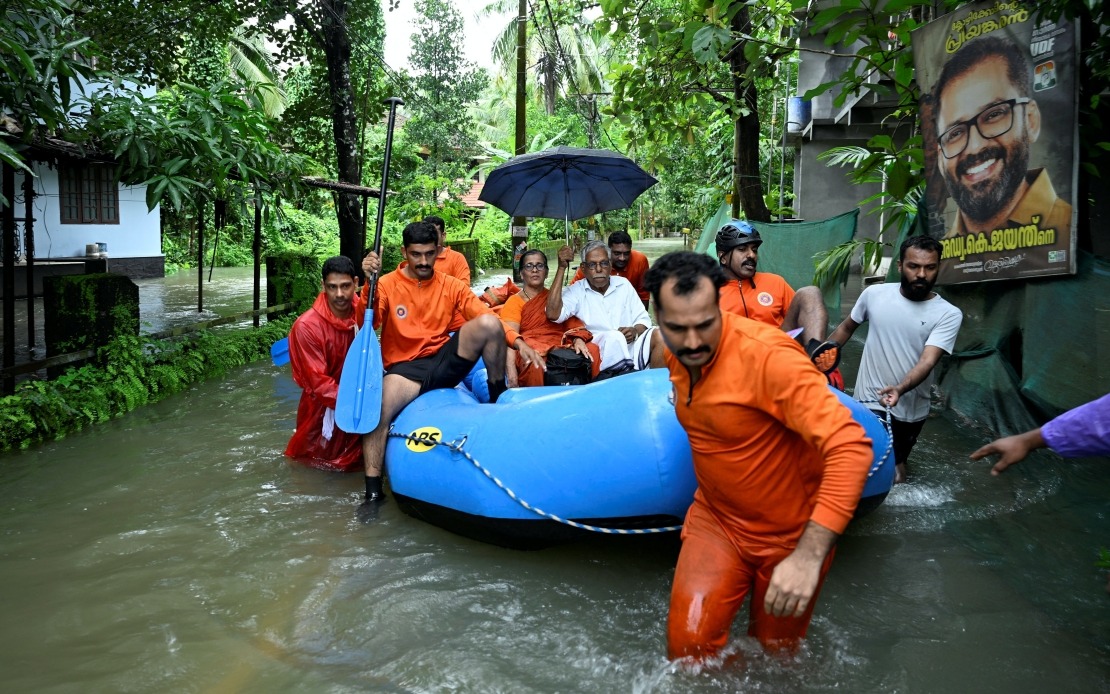
The monsoon tragedy unfolding across India's Kerala state has deepened, with confirmed fatalities reaching 26 as of Wednesday. Chief Minister V D Satheesan disclosed the grim toll during a press briefing following a state-level meeting to assess the escalating disaster, revealing that beyond the deaths, eleven people sustained injuries while four remain unaccounted for in the deluge.
The scale of displacement tells a stark story of the weather system's destructive power. More than 27,000 residents have been forced from their homes, straining the state's emergency response infrastructure. To accommodate these displaced persons, Kerala has established 462 relief camps operating across various districts, representing a massive mobilisation of resources during the crisis. The sheer number of people requiring shelter and assistance underscores the severity of the weather event and the vulnerability of communities in flood-prone regions.
The agricultural sector has suffered substantial damage, with crop losses reported across 1,882 hectares of farmland affecting the livelihoods of 23,537 farmers. This dimension of the disaster carries long-term economic implications for rural communities already struggling with seasonal vulnerabilities. The destruction of standing crops and damage to agricultural infrastructure threatens food security and income streams for farming families who often operate with minimal financial buffers.
Chief Minister Satheesan announced a comprehensive relief package aimed at supporting affected families. The measures include enhanced compensation for those who lost lives, damaged or destroyed homes, and destroyed personal property. These financial interventions are critical for enabling families to rebuild their lives and restore their homes after floodwaters recede. The state government's rapid announcement of relief measures reflects the political urgency of addressing the crisis and providing tangible support to affected communities.
The India Meteorological Department painted a concerning picture for the coming week, issuing an orange alert for Wednesday, indicating the expectation of additional heavy rainfall. The meteorological forecast extends through August 11, suggesting that Kerala, coastal Karnataka, and Telangana face continued precipitation that could exacerbate already dire conditions. An orange alert signals weather conditions capable of causing significant damage and disruption, warranting heightened preparedness and continued vigilance from disaster management authorities.
The geographic focus of the heaviest precipitation has been northern Kerala, particularly the high-range areas of Kozhikode and Kannur districts, which experienced intense rainfall from August 1 onwards. These elevated regions, while providing the state with its distinctive terrain and agricultural heritage, are inherently susceptible to flash flooding and landslide activity when monsoon systems dump extraordinary volumes of water. The topography that makes these areas scenic and agriculturally productive transforms into a hazard when rainfall exceeds the capacity of drainage systems and soil stability.
Floodwaters remain a persistent threat across low-lying areas, with levels yet to recede substantially in most vulnerable zones. Many residential structures remain submerged, complicating rescue operations and preventing residents from assessing property damage. The prolonged inundation extends the period during which people remain displaced and dependent on government relief mechanisms, stretching emergency services and increasing the psychological toll on affected populations.
For Malaysian observers, Kerala's crisis carries important lessons regarding monsoon preparedness and disaster response in tropical regions. Southeast Asia, including Malaysia, faces comparable meteorological risks during its own monsoon seasons, particularly affecting states like Kelantan, Terengganu, and Pahang. The Kerala experience illustrates how rapidly monsoon systems can overwhelm infrastructure and displace large populations, despite advance meteorological warnings. The need for robust early warning systems, accessible evacuation routes, and adequate shelter capacity emerges as a consistent requirement across the region.
The disaster also underscores the vulnerability of agricultural communities in monsoon zones. Malaysia's farming sector, particularly in vulnerable regions, faces similar risks during heavy precipitation events. The documented impact on 23,537 Kerala farmers suggests that agricultural support mechanisms and crop insurance schemes merit expansion in tropical nations where weather-related crop losses occur with seasonal regularity.
The response mechanisms deployed by Kerala authorities—relief camps, compensation schemes, and coordinated state management—provide a regional reference point for disaster governance. While the scale of displacement and casualties reflects the exceptional severity of this particular weather event, the institutional response demonstrates how state governments can mobilise resources rapidly when natural disasters strike. The effectiveness of such mechanisms depends on pre-existing capacity, funding availability, and political will to prioritise affected communities.
The continuation of orange alerts through August 11 suggests this disaster remains fluid and subject to further deterioration. Additional rainfall could trigger secondary hazards including landslides in already-saturated terrain and further flooding in areas where water has not yet fully receded. The meteorological department's extended forecast period provides crucial time for authorities to position additional resources and intensify rescue operations in the most vulnerable zones.
As the monsoon season progresses, Kerala's struggle for recovery will unfold against the backdrop of continued rainfall and the persistent threat of new incidents. The death toll of 26, the displacement of 27,000 people, and damage to agricultural livelihoods represent dimensions of a crisis that will shape the region's recovery trajectory for months. For policymakers across South Asia and Southeast Asia, the unfolding situation serves as a reminder that despite meteorological advances and warning systems, natural hazards retain their capacity to overwhelm human defences and demand sustained, coordinated responses.

