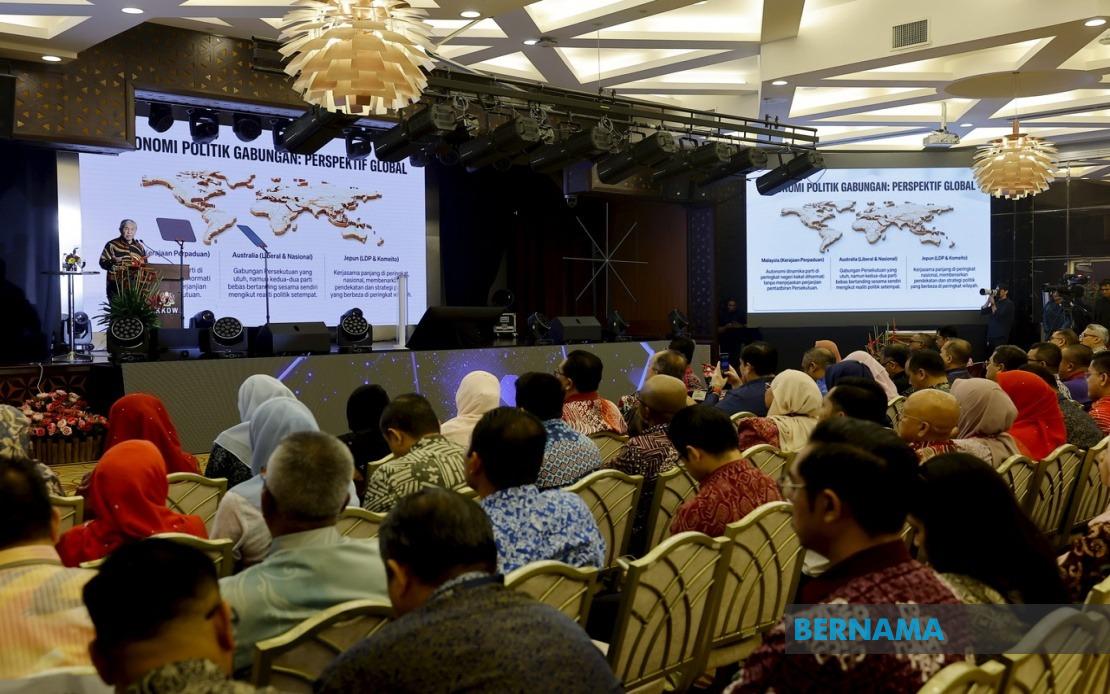
The Community Development Department (KEMAS) has committed to a substantial expansion of its Tabika Tunas Istimewa Programme, with Deputy Prime Minister Datuk Seri Dr Ahmad Zahid Hamidi announcing that at least one specialised kindergarten for children with special needs will be established in every district across the country by 2027. This ambitious initiative represents a significant stepping stone in Malaysia's approach to early childhood intervention and inclusive education, addressing a longstanding gap in accessible services for vulnerable communities, particularly in rural and underserved areas.
At the core of this expansion plan lies a commitment to affordability and equity. KEMAS will maintain monthly fees at RM100, ensuring that families from lower-income backgrounds retain meaningful access to vital early intervention services. This pricing strategy reflects a deliberate policy choice to prioritise accessibility over cost recovery, signalling government commitment to preventing educational disparities from widening during the crucial early years when developmental trajectories are most malleable. For Malaysian families managing limited household budgets, this fixed-fee model provides predictability and removes a significant barrier to seeking appropriate support for children with developmental delays or disabilities.
The scale of expansion is substantial. Currently, KEMAS operates 19 classes providing special needs kindergarten services across the country. The department plans to add up to 132 additional classes through a dual approach of establishing entirely new facilities and upgrading existing infrastructure. This represents more than a sixfold increase in capacity, translating into meaningful geographic reach across Malaysia's complex landscape of urban centres, suburban areas, and scattered rural settlements. The phased timeline to 2027 allows for structured implementation while maintaining service quality standards during this rapid growth phase.
Ahmad Zahid, who also serves as Rural and Regional Development Minister, framed this initiative within a broader philosophy of government performance measurement. He contended that a government's true success should be evaluated not by administrative metrics or policy announcements alone, but rather by tangible improvements in citizens' living standards and demonstrable impacts on community welfare. This perspective reflects growing recognition that public policy effectiveness ultimately rests on whether ordinary Malaysians experience material benefits in their daily lives, particularly vulnerable segments including families with children facing developmental challenges.
The expansion of Tabika Tunas Istimewa carries particular significance for rural communities, where access to specialised childhood education services has historically been constrained by geographic distance, limited specialist availability, and economic pressures. Many rural families have lacked convenient access to professional assessment and early intervention programmes, forcing them to either relocate temporarily or forgo such services entirely. By anchoring this programme within every district, KEMAS effectively democratises access to critical early childhood support systems that can substantially improve outcomes for children with special needs, reducing long-term reliance on more expensive therapeutic or remedial interventions later in their educational journeys.
Beyond the specific kindergarten programme, Ahmad Zahid signalled broader strategic repositioning within rural development agencies. He directed all Regional Development Authorities (LKW) to pursue Return on Assets targets between four to six percent, reflecting emphasis on productive asset utilisation. This commercial framing of regional development suggests movement toward greater accountability in how government assets deployed in rural areas generate tangible returns benefiting local populations, potentially improving efficiency in development project selection and resource allocation.
The government has also tasked regional authorities with preparing Asset Activation Plans within 100 days, creating structured processes for identifying underutilised government properties and facilities that could be repurposed for community benefit. This mechanism could potentially facilitate rapid deployment of existing infrastructure for kindergarten operations, reducing delays in programme rollout and lowering capital expenditure requirements for establishing new facilities. In many districts, government buildings or land holdings suitable for educational purposes may already exist; activating these assets represents an efficient implementation pathway.
Complementary to these initiatives, Malaysia's Rural Economic Council Executive Committee (MEXCLUB) has prioritised strengthening the Sustainable Village Programme through a newly established task force supporting cooperative enterprises. This cooperative development focus addresses governance challenges, branding limitations, and market access barriers that typically constrain rural economic advancement. By coupling special needs education expansion with rural economic strengthening, the government adopts an integrated rural development approach recognising that educational services alone cannot address poverty without concurrent economic opportunity creation.
The task force will concentrate on cooperative governance modernisation, helping rural organisations adopt professional management practices and transparent operational frameworks. Branding support aims to help cooperatively-produced goods access higher-value market segments, while strategic networking initiatives connect rural producers to supply chains and distribution channels previously inaccessible to scattered individual operators. This infrastructure development for rural commerce potentially generates household incomes that enable families to afford additional investments in their children's education and development, creating positive feedback loops between economic and human capital advancement.
For Southeast Asian observers, Malaysia's integrated approach to rural development combining early childhood intervention with economic strengthening offers instructive lessons. Many countries in the region grapple with similar challenges of geographic service delivery inequality and limited rural earning opportunities. The Tabika Tunas Istimewa expansion model, particularly its commitment to affordable universal access through district-level service provision, demonstrates feasible pathways for expanding specialised services beyond urban concentrations without requiring prohibitive capital expenditure or user cost burdens that exclude lower-income families.
The implementation timeline extending to 2027 warrants close monitoring, as sustained political commitment and consistent budget allocation will prove essential for meeting ambitious expansion targets. Successful delivery requires not only establishing physical facilities but recruiting, training, and retaining qualified special needs educators in districts where professional talent recruitment traditionally proves challenging. The sustainability of this initiative thus hinges on complementary investment in educator development and rural incentive structures attracting qualified personnel to less urbanised areas.
More broadly, this expansion reflects evolving Malaysian government philosophy emphasising tangible people-centred outcomes over abstract policy frameworks. By measuring success through district-level kindergarten accessibility and affordable service provision rather than through policy announcements alone, government demonstrates responsiveness to constituent needs and vulnerability. For Malaysian families managing children with special needs, particularly those residing outside major urban areas, the prospect of local, affordable, professionally delivered early intervention services represents meaningful policy progress addressing previously underserved needs.

