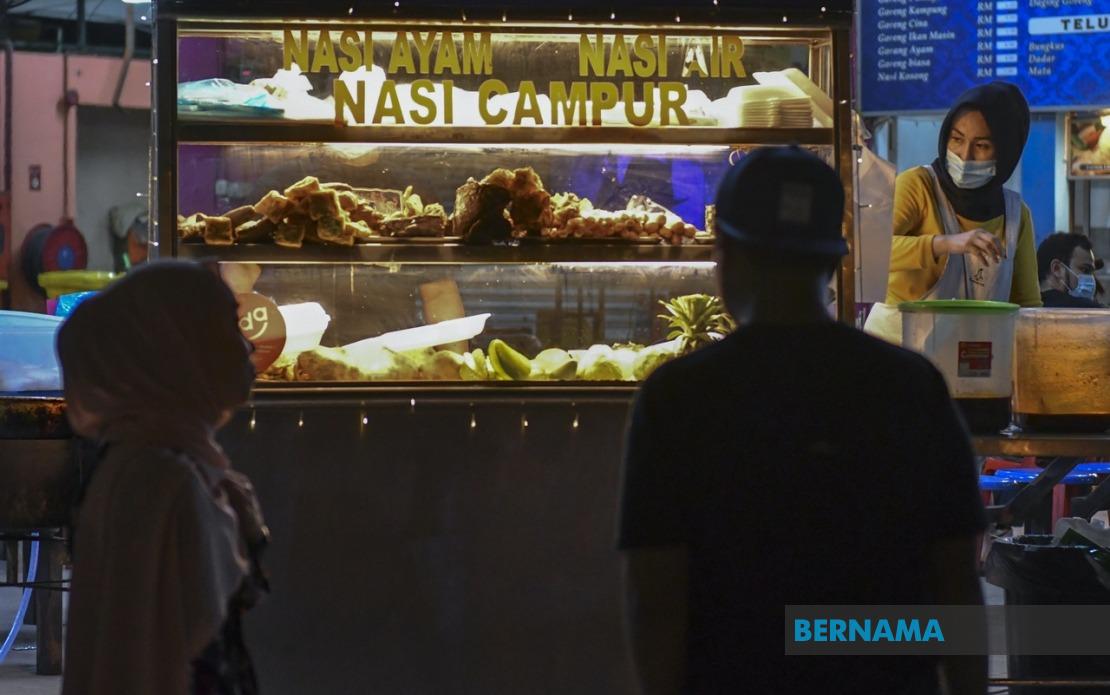
The Kelantan state government is preparing to escalate its oversight of food establishments throughout the state in response to mounting concerns about halal compliance standards. The decision follows a wave of allegations that circulated widely on social media, prompting questions about whether certain food premises are maintaining proper adherence to Islamic dietary requirements. State Islamic Development, Dakwah, Information and Regional Relations Committee chairman Mohd Asri Mat Daud announced the intensified approach during a Halal certification presentation ceremony in Kota Bharu on July 15, signalling the government's commitment to safeguarding halal standards across the food industry.
The controversy centred on a Facebook disclosure that identified several food premises operated by non-Muslim proprietors which attract significant Muslim clientele but may lack appropriate halal certification. The post generated considerable discussion across social media platforms, reflecting broader public anxiety about the reliability of halal certification systems and the trustworthiness of food safety practices in the state. This incident highlights a persistent tension in Malaysia's multicultural food landscape, where consumer confidence in halal integrity directly influences purchasing decisions and brand reputation. For a state with a predominantly Muslim population like Kelantan, such allegations strike at the heart of religious observance and institutional credibility.
According to Mohd Asri, the Kelantan state government is currently undertaking preliminary investigations to gather comprehensive details about the allegations before implementing enforcement measures. He clarified that while his office will coordinate efforts, the actual enforcement authority resides with the Kelantan Islamic Religious Affairs Department. This administrative arrangement ensures that investigations follow established procedures and maintain institutional accountability. The deliberate approach suggests authorities are seeking to distinguish between substantiated cases requiring intervention and unverified claims circulating online, a sensible precaution that avoids reactive decision-making based on social media commentary alone.
The state government has emphasised that no formal complaints have been lodged through official channels regarding the specific allegations that emerged on social media. This distinction between viral posts and formally registered grievances is significant, as it underscores the importance of proper reporting mechanisms and formal documentation. Mohd Asri encouraged members of the public to submit concerns through appropriate channels rather than relying solely on social media platforms, which can amplify misinformation and trigger disproportionate public alarm. Establishing clear pathways for legitimate grievances helps authorities prioritise resources and respond to credible threats to halal standards.
Should evidence of non-compliance surface during investigations, the state government has committed to implementing more frequent monitoring and inspection protocols to prevent the situation from becoming normalised or widespread. This preventive stance recognises that public trust in halal certification systems depends on consistent, visible enforcement and transparency. The threat of systematic fraud in halal claims represents a serious concern for both religious observance and consumer protection, particularly given that Muslim customers may feel deceived or spiritually compromised if they unknowingly consume products that fail to meet halal standards. Robust enforcement sends a deterrent message to unscrupulous operators.
Mohd Asri used the occasion to address food premise operators directly, reminding them that pursuit of profit should never override shariah compliance obligations. This appeal reflects a broader ethical framework that regards halal compliance not merely as a regulatory checkbox but as a fundamental responsibility rooted in religious principles. When operators treat halal requirements as optional or subsidiary to business considerations, they undermine the entire certification ecosystem and erode consumer confidence. The message also implicitly warns that regulatory scrutiny will intensify for establishments perceived as prioritising revenue over religious integrity.
The committee chairman urged Muslim consumers to exercise greater vigilance regarding the halal status of food venues they patronise, encouraging them to verify certification before making purchases. This appeal to consumer responsibility acknowledges that while regulatory bodies have obligations to oversee compliance, individuals also bear responsibility for making informed choices. In the digital age, where certification information is increasingly accessible online, consumers possess tools to check legitimacy before spending their money. Empowering consumers as active stakeholders in the halal ecosystem creates additional accountability pressure on operators.
Recognising the protective value of formal recognition, Mohd Asri actively encouraged food premise operators to pursue Malaysia's official Halal Certification. The state government has streamlined processing timelines, aiming to complete applications within 30 days provided establishments meet readiness requirements and comply with established guidelines. This efficiency measure removes bureaucratic obstacles that might otherwise discourage smaller operators from seeking formal certification. For consumers, the presence of official halal certification from a trusted national body provides assurance that cannot be obtained through informal claims or proprietor assertions. The certification becomes a tangible, verifiable indicator of compliance.
The broader context reveals that Kelantan, as a state with strong Islamic identity and predominantly Muslim population, faces particular expectations regarding halal standards. Any perception of compromise in this domain carries significant social and political implications, potentially damaging confidence in state institutions. The government's response demonstrates awareness that halal integrity ranks among the core public services expected by constituents. Failure to maintain standards invites both religious criticism and practical consumer backlash, making this not merely a food safety issue but a fundamental governance matter.
Looking forward, the Kelantan case illustrates tensions inherent in multicultural foodservice environments where diverse proprietors serve Muslim clientele. While proprietor religion should theoretically be irrelevant to halal compliance—certification depends on processes and ingredients rather than operator identity—public perception often conflates the two. This perception gap creates vulnerabilities to allegations, even when practices are entirely compliant. Building public understanding that halal certification reflects verified practices rather than proprietor identity could enhance confidence while reducing unfounded suspicion.
For the broader Southeast Asian region, Kelantan's experience offers instructive lessons about maintaining halal system integrity under social media scrutiny. As halal certification becomes increasingly important to Malaysian and Southeast Asian food businesses seeking Muslim market access, the stakes for maintaining credible, transparent oversight mechanisms grow correspondingly. Any systemic failure in halal compliance threatens not just individual state reputation but regional standing as a reliable halal supplier. Investment in robust inspection infrastructure, clear certification processes, and public communication becomes essential infrastructure for food exporters and domestic producers alike.
The incident also underscores emerging challenges posed by social media's role in triggering regulatory responses. While public platforms can expose genuine problems that formal channels might otherwise miss, they also enable rapid spread of unverified allegations that can damage innocent businesses. Authorities must balance responsiveness to public concerns with maintaining due process and factual verification. Kelantan's measured approach—investigating without prejudging, encouraging formal complaints, and emphasising procedural compliance—offers a model for other jurisdictions navigating similar pressures in an increasingly connected information environment.

