Kelantan's state government has ramped up its crackdown on illegal mining and land encroachment, opening 63 investigation papers as part of a broader enforcement campaign spanning the first half of 2025. The figure underscores the scale of the problem in a state where such activities have historically drained natural resources and destabilised land rights, issues that have long plagued the East Coast region and attracted scrutiny from both state and federal authorities.
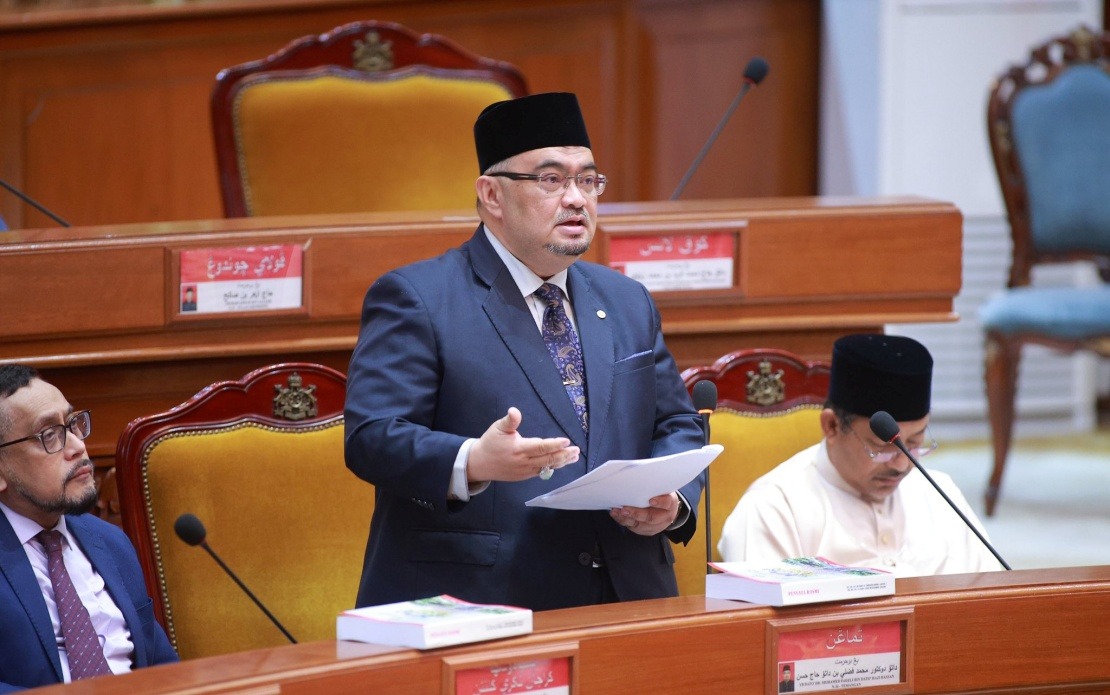
Deputy Menteri Besar Datuk Dr Mohamed Fadzli Hassan disclosed these enforcement results during a sitting of the Kelantan State Legislative Assembly, revealing that the investigations emerged from 77 separate enforcement operations concentrated in districts known as hotbeds for such illegal activity. Gua Musang, Kuala Krai, Jeli and Tanah Merah have borne the brunt of the state's enforcement efforts, suggesting that these areas remain particularly vulnerable to organised encroachment and mining rings despite prior regulatory measures.
The tangible outcome of these operations extends beyond paperwork. Enforcement teams have seized 65 excavators and heavy machinery with an estimated combined value of RM15.8 million—a significant asset recovery that speaks to the capital-intensive nature of illegal mining networks in Kelantan. By removing this equipment from circulation, authorities aim to disrupt the logistical backbone of operations, making it substantially harder for groups to resume or relocate activities without substantial reinvestment. This strategy reflects a shift towards targeting the economic viability of illegal extraction rather than pursuing individual offenders in isolation.
Once investigation papers are opened, they are forwarded to the Prosecution Unit of the Kelantan Land and Mines Office for prosecutorial review and further action. This formalisation ensures that cases move through proper legal channels, though the pace at which charges are filed and trials conclude remains a persistent challenge in Malaysian enforcement efforts. The accumulation of 63 cases within months indicates the sheer volume of suspected violations that authorities continue to uncover, even with concentrated field operations.
When pressed by assemblypersons about the possibility that middlemen, masterminds and organised networks orchestrate these activities, Dr Mohamed Fadzli acknowledged the investigative pathway forward. He indicated that authorities would pursue broader conspiracy angles once initial illegal activity is confirmed, moving beyond individual operators to identify those who profit from or protect such operations. This acknowledgement is significant, as it recognises that encroachment and illegal mining rarely occur in isolation; they typically involve networks spanning land ownership, equipment provision, transportation, and market access.
The deputy menteri besar's commitment to lodging police reports when relevant and conducting thorough investigations suggests a multi-agency approach involving state enforcement, the prosecution office, and potentially federal police resources. However, the effectiveness of such investigations depends heavily on inter-agency coordination, data sharing, and the willingness of witnesses and informants to come forward—areas where Malaysian law enforcement has faced persistent challenges. The lack of prosecutorial follow-through on opened papers remains a structural weakness in enforcement systems across many Malaysian states.
A particularly noteworthy development is the state government's stated intention to review and strengthen penalties, particularly for repeat offences. Current sentencing frameworks for illegal mining and encroachment have often been criticised as insufficiently punitive to deter recidivism, with repeat offenders sometimes viewing fines as mere operational costs. By escalating penalties for those with prior convictions, Kelantan aims to increase the legal risk calculus that operators must consider. Whether such reforms will be implemented through state legislation or federal coordination remains unclear, though the sentiment reflects frustration with lenient sentencing norms.
The geographic concentration of enforcement efforts in Gua Musang, Kuala Krai, Jeli and Tanah Merah points to deep-rooted environmental management challenges in these districts. These areas often combine vulnerable ecological zones with remoteness that complicates surveillance and policing. Mining operations, whether legal or illegal, have historically transformed the landscape across these regions, extracting minerals including tin and rare earths. The resurgence of illegal activity suggests that demand remains robust, possibly driven by regional supply chain pressures or international commodity prices that incentivise extraction regardless of permit status.
For Malaysian policy observers, Kelantan's enforcement drive carries broader implications for environmental governance and land management across the country. As a state with significant natural resource wealth and a history of land-related disputes, Kelantan's experience mirrors challenges faced in Sabah, Sarawak and other states. The efficacy of enforcement-led strategies, when coupled with legislative and prosecutorial reform, could inform national approaches to illegal mining and encroachment. However, enforcement alone is insufficient without parallel efforts to improve land administration, strengthen community oversight and address the economic drivers that make illegal extraction attractive to local operators.
The state's engagement with the Kelantan Land and Mines Office suggests a relatively coherent institutional framework for addressing these violations. Yet the translation of investigation papers into convictions and effective deterrence requires sustained political will, adequate resourcing, and public support. Without visible consequences for high-level organisers and beneficiaries, enforcement campaigns risk appearing reactive rather than transformative, targeting symptoms while root causes persist.
Moving forward, Kelantan's authorities face the challenge of maintaining enforcement momentum whilst simultaneously rebuilding trust in land governance systems that have been eroded by years of unchecked encroachment. The 63 cases now under investigation represent not only legal proceedings but a test of whether the state can deliver credible accountability, restore regulatory legitimacy, and ultimately protect its remaining natural capital from further degradation.

