Kelantan's sports administration is taking steps to broaden its support network for competitive athletes by introducing a coordinated education financing scheme. Working alongside Yayasan Kelantan Darulnaim, the Kelantan Sports Council now facilitates loans and scholarships specifically designed for athletes pursuing undergraduate degrees at public universities, signalling a shift toward more holistic athlete development in the state.
The initiative reflects a deliberate policy decision by Kelantan's government to recognize that elite athletes face unique pressures balancing rigorous training schedules with academic obligations. By addressing the financial barriers to higher education, the programme aims to ensure that talented young sports performers do not abandon their studies due to cost constraints. This dual-track approach acknowledges that most athletes require fallback career pathways and that education strengthens their long-term prospects beyond their competitive years.
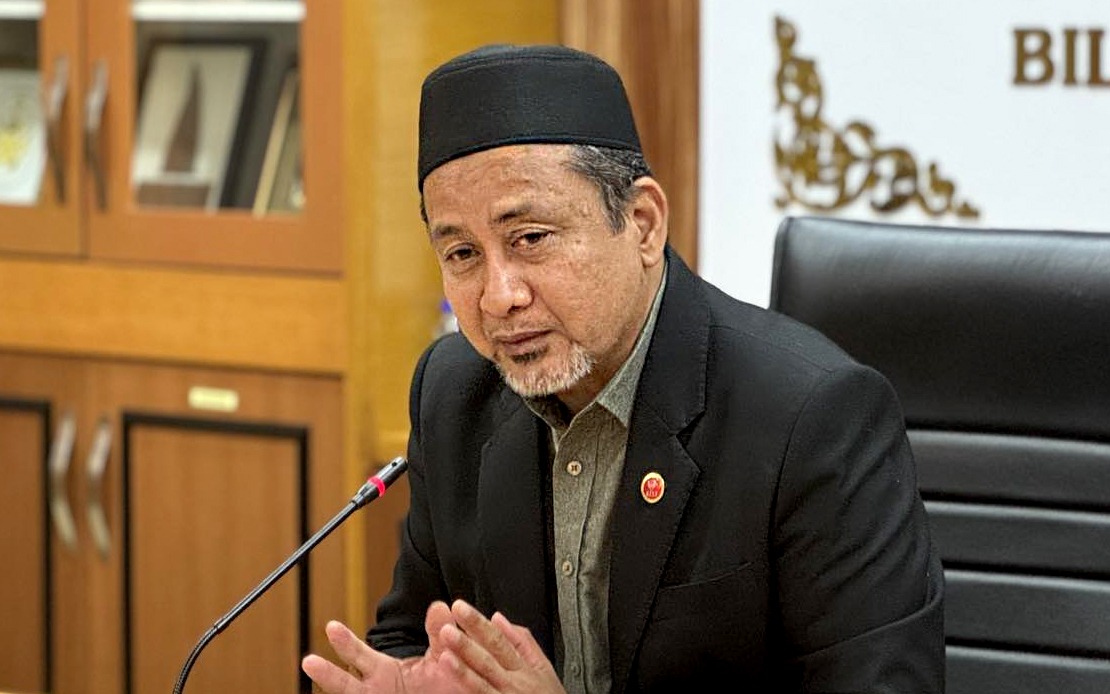
Zamakhshari Muhamad, who chairs the State Youth, Sports, NGOs and Community Unity Committee, emphasized that education now occupies equal priority alongside sports development in Kelantan's athlete support framework. The state government recognizes that sustainable athlete welfare extends beyond competition preparation and requires investment in their intellectual development and qualifications. This perspective distinguishes Kelantan's approach from narrower models that concentrate resources purely on athletic performance.
The education financing scheme complements existing support mechanisms already operational in Kelantan. Athletes demonstrating exceptional results in national examinations—the Sijil Pelajaran Malaysia and Sijil Tinggi Persekolahan Malaysia—become eligible for academic excellence incentives, creating tangible rewards for scholarly achievement. This dual recognition system encourages athletes to maintain high academic standards alongside their sporting commitments rather than treating education as a secondary obligation.
Beyond education loans and scholarships, Kelantan's sports apparatus operates the Special Programme, which furnishes competing athletes with multiple forms of material assistance. Monthly stipends through the Imtiyaz programme provide essential income support, while dedicated funding covers expenses for domestic and international competition participation. The provision of sports equipment and nutritional supplements addresses the technical requirements of elite training, ensuring that athletes have access to resources necessary for competitive success.
The welfare dimension of Kelantan's athlete support system extends to protecting competitors during personal crises and life transitions. Coverage encompasses financial assistance following natural disasters and accidents, support during significant life events such as marriage, and bereavement assistance for grieving athletes. These provisions recognize that athletes remain vulnerable to the same unpredictable circumstances affecting the general population and deserve institutional protection during periods of vulnerability.
Implications for the broader Southeast Asian sports development context are notable. Kelantan's model demonstrates that state-level governments can create sophisticated support ecosystems without waiting for federal-level interventions, potentially inspiring similar schemes across Malaysia and the region. The partnership between sports administration, educational foundations, and public universities creates a three-part ecosystem that distributes responsibility and resources efficiently. This collaborative structure avoids concentrating all burden on government sports budgets while ensuring alignment between institutional partners.
For Malaysian athletes more broadly, Kelantan's initiative suggests an emerging recognition that sports talent development and human capital development are not competing priorities but complementary objectives. As regional competition intensifies and athletic standards rise throughout Southeast Asia, nations increasingly understand that athletes require comprehensive support packages rather than narrowly focused sports funding. Countries failing to provide educational pathways and long-term welfare support risk losing athletes to jurisdictions offering more comprehensive development frameworks.
The success of Kelantan's programme will depend significantly on effective coordination between the Kelantan Sports Council, Yayasan Kelantan Darulnaim, and participating public universities. Implementation challenges may include aligning loan terms with athletes' often-irregular income streams, ensuring that scholarship criteria remain accessible to genuinely talented athletes rather than exclusively privileging academic superstars, and preventing bureaucratic delays that discourage participation. Close monitoring of uptake rates and graduate outcomes will be essential for programme refinement.
Zamakhshari expressed confidence that comprehensive support facilities will encourage Kelantan athletes to pursue simultaneous excellence across sports, academics, and personal development. This optimism reflects a legitimate belief that removing financial barriers enables talented individuals to maximize their potential across multiple domains. However, success ultimately depends on whether individual athletes possess the time management capacity and intrinsic motivation to balance training intensity with meaningful academic engagement.
The initiative also serves as a statement about Kelantan's broader development priorities and identity within Malaysia's sporting landscape. By institutionalizing education alongside athletics, the state signals that it values long-term human development over short-term competitive success. This positioning may gradually shift perceptions of Malaysian sports culture toward more sustainable, comprehensive athlete-support models that international observers increasingly expect from developed sports systems.

