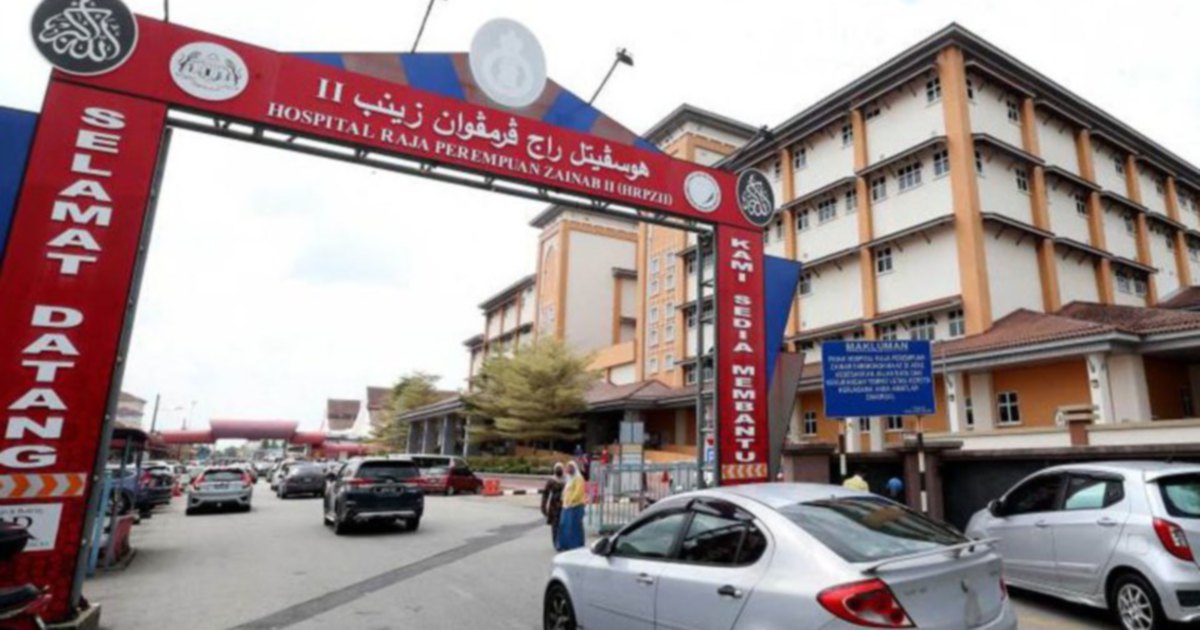
A newborn girl in Kelantan has tested positive for amphetamines and benzodiazepines, triggering close monitoring by state health authorities seeking to ensure the infant's wellbeing following in-utero exposure to controlled substances. The urine test was conducted on August 6 at the Neonatal Intensive Care Unit of Raja Perempuan Zainab II Hospital in Kota Baru, revealing traces of both drug classes in the child's system. The Kelantan Health Department has since implemented surveillance protocols to track the infant's development and manage any complications that may arise from the prenatal drug exposure.
The discovery underscores a growing challenge facing Malaysia's healthcare system—the identification and management of substance-exposed newborns in hospital settings. Medical professionals at the tertiary care facility identified the concerning results through routine screening procedures, which have become standard practice in neonatal units across the country. Such tests aim to flag at-risk infants early, enabling clinicians to intervene promptly and establish appropriate care pathways. The detection mechanism represents part of broader efforts by Malaysian hospitals to safeguard vulnerable newborns and connect affected families with support services.
Amphetamines and benzodiazepines represent distinct classes of psychoactive drugs with different implications for fetal and neonatal health. Amphetamines, commonly known as stimulants, can elevate maternal blood pressure during pregnancy and restrict blood flow to the developing fetus, potentially causing premature birth, reduced birth weight, and developmental complications. Benzodiazepines, typically prescribed for anxiety or used recreationally, cross the placental barrier and accumulate in fetal tissues, potentially causing withdrawal symptoms in newborns ranging from tremors and irritability to feeding difficulties and seizures. The concurrent presence of both substances suggests complex prenatal exposure that requires careful clinical assessment.
Newborns affected by maternal substance use face multiple health risks during their first days and weeks of life. Withdrawal syndromes can emerge within hours or days following birth, manifesting as hyperactivity, poor feeding, irregular sleep patterns, and in severe cases, convulsions. Medical teams must distinguish between withdrawal symptoms and other neonatal complications, requiring experienced observation and sometimes laboratory confirmation. The NICU environment at Raja Perempuan Zainab II Hospital provides the intensive monitoring and specialized support necessary for managing such cases, with staff trained to administer comfort measures and medications that ease the transition for affected infants.
The Kelantan Health Department's decision to implement ongoing monitoring reflects Malaysia's commitment to evidence-based neonatal care and child protection frameworks. Continuous assessment allows clinicians to detect emerging health issues, adjust interventions as needed, and track long-term developmental outcomes. Such surveillance also generates valuable clinical data that informs public health responses and identifies patterns of substance use within specific communities. The department's approach balances immediate medical needs with broader child welfare considerations, recognizing that substance exposure during pregnancy often indicates maternal health challenges warranting intervention and support.
Maternal substance abuse during pregnancy remains a significant public health concern across Southeast Asia, though reliable prevalence data remains limited due to underreporting and inconsistent screening practices. Malaysia's health system has progressively strengthened identification mechanisms in recent years, reflecting global best practices emphasizing early detection and compassionate intervention rather than punitive approaches. Healthcare providers increasingly recognize that mothers struggling with substance dependency require treatment and rehabilitation services alongside their newborns' medical care. The revelation of cases like this in Kelantan prompts discussion about expanding access to maternal addiction services and prenatal counseling in the state.
The legal and social dimensions of substance-exposed births in Malaysia are complex. While drug possession and trafficking remain serious criminal offenses, many healthcare professionals and child protection advocates have called for approaches emphasizing medical treatment over prosecution for pregnant women and new mothers seeking help. The discovery through hospital screening creates opportunities for early intervention, family support engagement, and connection to rehabilitation resources. Authorities must balance protecting the child's interests with maintaining pathways that encourage mothers struggling with addiction to access healthcare rather than avoid medical facilities.
Raja Perempuan Zainab II Hospital's identification of the affected newborn demonstrates the critical role tertiary care institutions play in detecting vulnerable populations and initiating appropriate responses. The facility's NICU serves as a regional referral center handling complex cases from across the northern region. Staff expertise in recognizing substance exposure patterns, coordinating with social services, and providing specialized neonatal care positions the hospital as a key institution in Kelantan's child protection infrastructure. This case exemplifies how routine clinical procedures can identify children requiring enhanced support and intervention.
The situation highlights the need for coordinated responses involving health, social welfare, and law enforcement agencies. Kelantan's health authorities will likely coordinate with the state's social welfare department to assess family circumstances and determine appropriate support mechanisms. Multi-agency collaboration ensures that follow-up care extends beyond the hospital setting, addressing both the newborn's medical and developmental needs and the underlying factors contributing to maternal substance use. Such integrated approaches recognize that protecting affected children requires attention to family dynamics, socioeconomic circumstances, and access to treatment resources.
For Malaysian healthcare workers and policymakers, this case reaffirms the importance of routine screening protocols in neonatal units and the value of early identification in improving outcomes. Kelantan's experience contributes to broader understanding of substance exposure patterns affecting Malaysian newborns and the capacity of health systems to respond effectively. Ongoing monitoring of this infant will generate clinical insights informing best practices for managing similar cases. The situation also underscores the need for continued public health messaging about pregnancy risks associated with substance use and the availability of supportive services for expectant mothers struggling with addiction.

