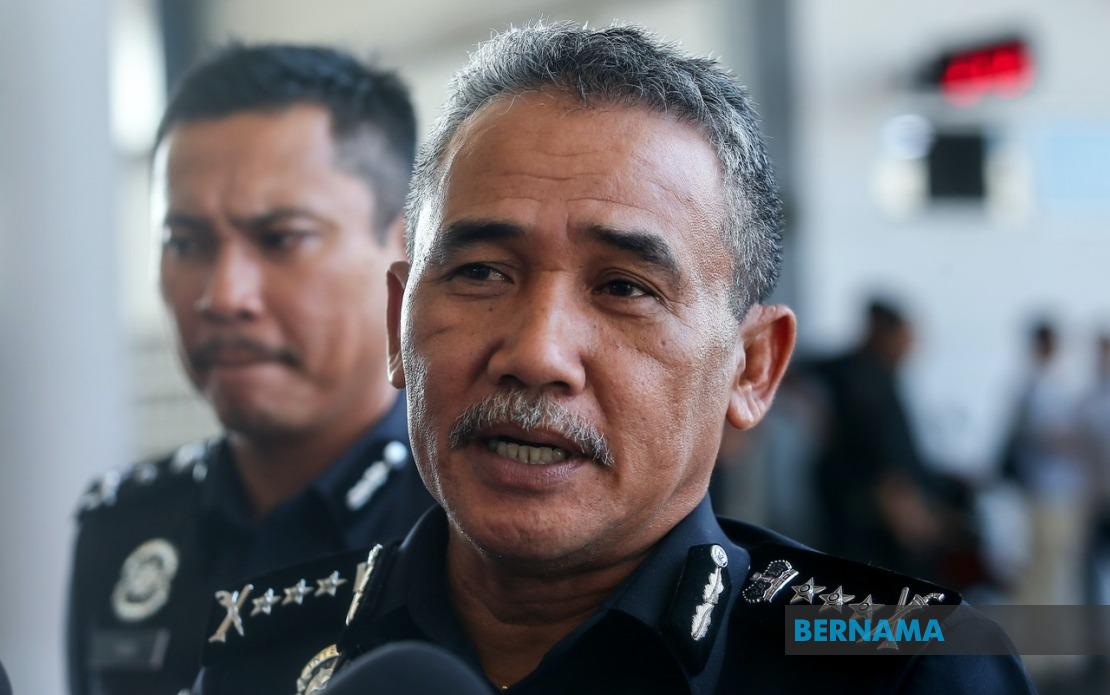
The Kedah Police Contingent has initiated 69 disciplinary investigation papers affecting 90 personnel during the opening half of 2025, signalling a marked reduction in the number of internal misconduct cases compared to the same period in the previous year. This disclosure came from Kedah Police chief Datuk Adzli Abu Shah during the monthly assembly at the state police headquarters in Alor Setar, underscoring the force's continuing efforts to maintain institutional integrity across its ranks.
The disciplinary actions during this period involved officers and staff of varying seniority levels, with the breakdown comprising 11 senior police officers, 76 junior police officers, and three civil servants stationed within the state. The diversity in ranks undergoing investigation reflects the police force's commitment to maintaining standards across its entire hierarchy, from constables to senior commanders. The inclusion of civil servants in these proceedings demonstrates that disciplinary oversight extends beyond uniformed personnel to support staff within the contingent structure.
The decrease in cases represents a significant shift from the preceding year, when 155 disciplinary investigation papers were registered involving 294 individuals during the corresponding January to June period. That earlier cohort included 39 senior police officers, 248 junior police officers, and seven civil servants. The reduction of more than half in current investigations, if sustained, could indicate improved compliance with conduct standards, more effective preventative measures, or refinements in internal management practices across the Kedah contingent.
The nature of recorded offences demonstrates the breadth of misconduct the police force confronts internally. Among the 69 cases opened this year, the infractions ranged from three syariah crime cases and four commercial crime incidents to seven corruption-related matters. Traffic violations accounted for 11 cases, while drug-related misconduct comprised 24 investigations. Criminal offences totalled 33 cases, with an additional 142 matters classified under various other disciplinary breaches. This taxonomy reveals that police misconduct mirrors a cross-section of societal criminality, suggesting that institutional safeguards must address both external criminality and the vulnerability of officers to similar temptations.
Datuk Adzli addressed a persistent public perception that the police force shields its members from meaningful consequences, a concern that resonates throughout Southeast Asian societies where institutional accountability remains contentious. He emphasised that the organisation does not extend preferential treatment to individuals whose conduct undermines public confidence in the force. Instead, rigorous action including detention, suspension, and termination has been implemented against those substantiated to have breached conduct codes. His directness on this matter reflects mounting pressure on Malaysian law enforcement to demonstrate that internal discipline operates with the same rigour expected in civilian institutions.
The police chief clarified a critical distinction between suspension and punishment that often eludes public understanding. Suspension, he explained, functions as an interim measure to prevent an officer from continuing problematic conduct while investigations proceed, rather than serving as final disciplinary sanction. For example, an officer implicated in robbery or extortion would be reassigned away from community-facing duties to prevent ongoing harm, even while the investigative process unfolds. This operational distinction recognises the practical reality that investigations require time, yet public safety cannot be compromised during that period. However, the necessity of explaining this principle suggests that transparency in these processes remains inadequate, and the public continues to view such reassignments with scepticism.
The continuation of investigations following suspension underscores that interim measures do not conclude accountability procedures but rather enable them to proceed without further risk. Officers remain under investigation during suspension periods, and outcomes range from exoneration through to dismissal depending on findings. This sequential approach addresses the tension between protecting the public from potentially problematic officers and ensuring due process for personnel under investigation. For Malaysian readers, this reflects broader tensions within the criminal justice system between swift action and procedural fairness.
Beyond the formal disciplinary caseload, the Kedah Police Contingent has also responded to community concerns regarding unidentified knocking noises reported across several neighbourhoods in the Kota Setar district. These reports represent the intersection of public anxiety and police response capacity in residential areas. The contingent has acknowledged residents' concerns and augmented patrols in affected zones to reassure communities and investigate the source of the disturbances. This responsiveness to non-emergency community matters demonstrates that police leadership must balance disciplinary reform with operational effectiveness in addressing public comfort and security.
The regional implications of Kedah's disciplinary approach deserve consideration within the Southeast Asian context. Malaysia's police force operates within a complex institutional environment where public trust, political scrutiny, and professional standards intersect. The Kedah contingent's willingness to publicise disciplinary figures and articulate its accountability mechanisms contrasts with less transparent jurisdictions in the region, where internal misconduct often remains opaque. This transparency, though incremental, potentially positions Malaysian policing as comparatively accountable within a regional landscape where police reform remains contested and inconsistent.
For ordinary Malaysians, particularly those in Kedah state, the disciplinary figures provide limited but meaningful assurance that the police force acknowledges and acts upon misconduct within its ranks. The specific enumeration of cases and categories permits scrutiny and comparative analysis, countering blanket assertions that the police protect their own. Yet the figures also reveal that misconduct remains prevalent, with 69 cases in six months indicating that systemic challenges persist. Citizens must weigh police leadership's stated commitment to accountability against the practical reality that investigations, suspensions, and dismissals occur against a backdrop of significant ongoing misconduct.
The force's emphasis on protecting the public interest by reassigning officers away from community contact represents a pragmatic, if imperfect, solution to the dilemma of preserving both procedural fairness and public safety. This principle reflects the challenge all police forces face: maintaining institutional legitimacy while managing the inevitable reality that some officers will breach conduct standards. Datuk Adzli's articulation of this approach suggests an institution grappling seriously with accountability questions, though the extent to which such principles translate into consistent practice across all officers and situations remains an open question requiring sustained public attention.

