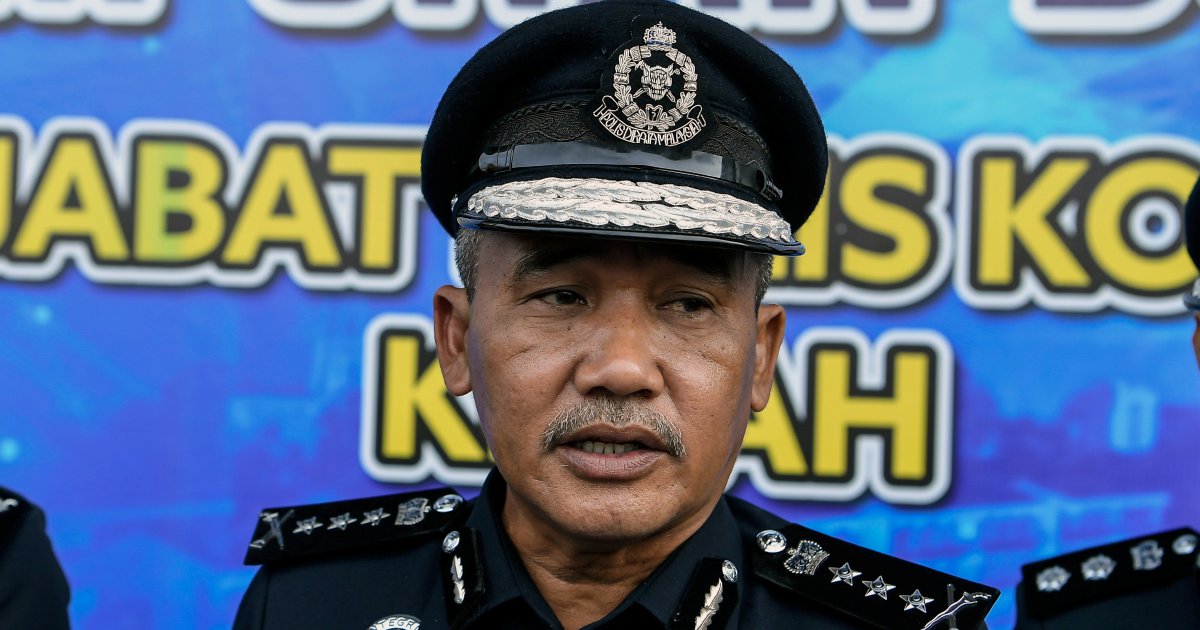
The Kedah Royal Police have commenced 69 separate disciplinary inquiry procedures during 2024 that collectively involve 90 officers, constables and civilian employees accused of varied misconduct, according to authorities in Alor Star. The alleged breaches span a spectrum of serious violations extending from conventional criminal offences through to corruption-related activities, substance abuse, motoring infractions and breaches of Islamic law.
This disciplinary drive underscores the enforcement branch's commitment to maintaining professional standards across its ranks and civilian workforce. The breadth of allegations suggests the force faces recurring challenges across multiple compliance domains rather than isolated incidents concentrated in a single area. The involvement of not just sworn officers but also support staff indicates the disciplinary net extends throughout the entire operational structure.
Drug-related offences constitute a significant component of the misconduct allegations, reflecting broader national concerns about substance abuse within security services. For Malaysia's law enforcement agencies, maintaining a drug-free workplace remains crucial to operational integrity and public confidence. Officers and staff implicated in drug-related violations face particular scrutiny given the role they play in combating narcotics across the community.
Corruption allegations represent another substantial category under investigation. Given the extensive discretionary powers wielded by police, corruption investigations signal the force's willingness to examine potential abuses of authority. Such probes help insulate the institution from erosion of public trust, particularly important in northern Malaysia where community relations directly influence policing effectiveness.
The inclusion of traffic violations among the 69 cases demonstrates a comprehensive approach to accountability. Though often viewed as administrative matters, traffic transgressions by uniformed personnel can undermine public confidence in impartiality, particularly when officers are expected to enforce road laws uniformly. The force's decision to initiate formal disciplinary proceedings suggests these violations exceeded minor infringements.
Syariah offence allegations form the final component of the misconduct allegations. In Malaysia's constitutional framework, Islamic law operates concurrently with civil law in matters affecting Muslim citizens. Police involvement in Syariah-related breaches suggests violations of conduct standards established within the broader legal and religious context that governs the force.
The scale of these investigations—involving nearly a tenth of many police district's total personnel in some cases—raises questions about underlying workplace culture, supervision effectiveness and recruitment standards. Whether this figure represents an anomaly or reflects consistent patterns across recent years would provide crucial perspective on systemic issues versus isolated cases. Comparison with previous years' disciplinary statistics would illuminate whether 2024 marks an escalation or represents typical enforcement activity.
For the public, such investigations carry mixed implications. On one hand, systematic disciplinary action demonstrates institutional commitment to self-regulation and accountability. On the other hand, the sheer number of cases may prompt concerns about the adequacy of initial vetting, training and ongoing supervision within police ranks. Building public confidence requires not merely investigation but transparent outcomes and demonstrable consequences proportional to allegations.
From a Southeast Asian perspective, Malaysia's approach to police accountability reflects international norms increasingly emphasizing that security agencies must meet the same standards they enforce within civil society. Other regional forces face similar pressures to demonstrate institutional integrity. How Kedah police processes these 69 cases and communicates outcomes to the public will influence broader perceptions of Malaysian law enforcement professionalism.
The disciplinary apparatus itself merits scrutiny. Whether investigating officers possess sufficient independence, whether procedural fairness is maintained throughout hearings, and how penalties are determined and applied will determine whether these 69 investigations genuinely restore institutional integrity or merely perform the administrative motions. International best practice emphasizes transparent, fair processes that allow accused personnel appropriate due process while maintaining public accountability.
Looking forward, these investigations should catalyze institutional reflection on root causes. Are recruitment standards sufficiently rigorous? Does ongoing training adequately address ethical dimensions of policing? Are supervision structures sufficiently robust to identify problems before they escalate to formal investigations? Do compensation and career progression structures create perverse incentives that push officers toward corrupt or criminal behaviour?
The resolution of these 69 cases will provide crucial data about institutional capacity to police itself effectively. Whether cases proceed to conviction, resulting in terminations or suspensions, or whether investigations conclude without substantiation will indicate the rigour of the investigative process and the seriousness of the underlying allegations. The Kedah police force's handling of these matters will influence how Malaysian police institutions generally are perceived within the community and internationally.

