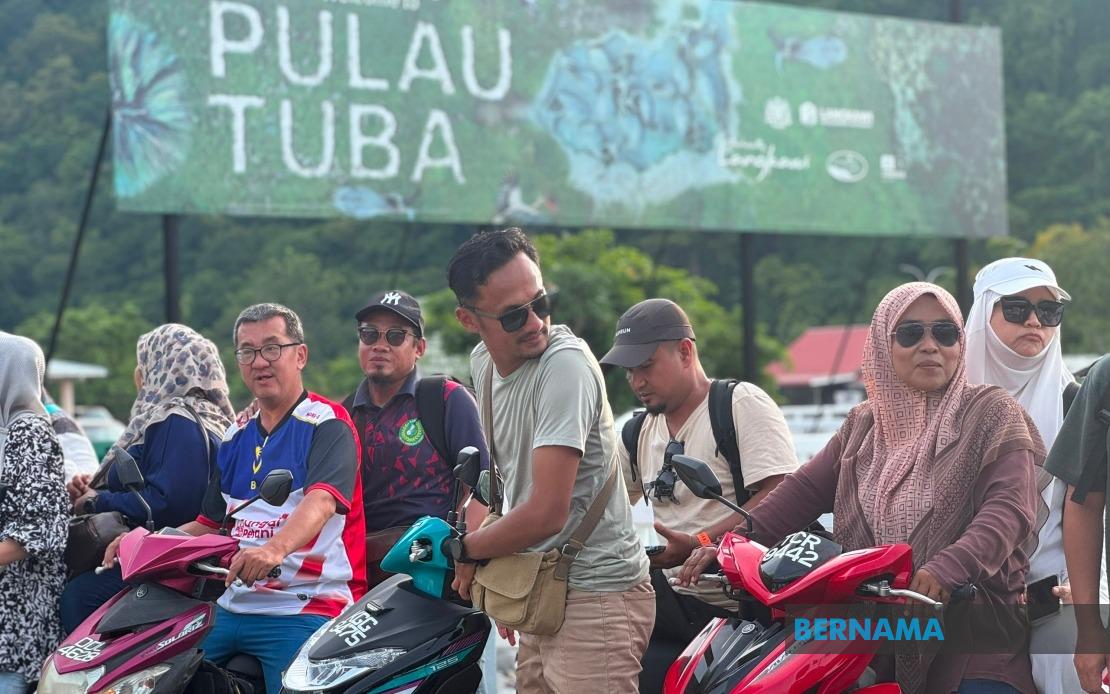
The Kedah government is moving forward with an ambitious strategy to elevate Pulau Tuba into a world-class tourism destination that can stand alongside the better-known island of Langkawi. According to Datuk Mohd Salleh Saidin, chairman of the State Tourism, Culture and Entrepreneurship Committee, the island possesses considerable untapped potential coupled with distinctive tourism offerings and a reputation for quality, affordable local cuisine. However, improving service standards remains a critical focus area if the destination is to compete effectively in the region's competitive tourism landscape.
Recognising this gap, the state administration has initiated a comprehensive training framework designed specifically for tourism operators on Pulau Tuba. Kedah Tourism will conduct dedicated industry management courses throughout the year, equipping local business owners and service providers with skills necessary to elevate customer experiences and match international hospitality benchmarks. This targeted approach addresses what many observers identify as the crucial difference between destinations with strong natural attractions but inconsistent service quality and those that convert potential into sustained visitor flows and revenue generation.
The timing of this push reflects broader confidence in Kedah's tourism sector following a significant milestone in regional recognition. At the recently held Tourism Industry Awards 2026, organised by the Malaysian International Tourism Development Association (MITDA), Kedah's tourism products secured seven awards in total. Notably, four of these accolades went to Langkawi-based tourism products, validating the quality and competitiveness of the state's established premier destination. This achievement carries particular weight in an era when destination marketing faces considerable headwinds from misinformation and deliberate discreditation campaigns.
Datuk Mohd Salleh emphasised that negative narratives surrounding Langkawi, which periodically surface in media and online discussions, represent orchestrated efforts to undermine confidence in Kedah's tourism appeal rather than reflections of genuine service or safety deficiencies. The awards serve as concrete evidence that the state's tourism products can perform at the highest competitive levels and warrant both domestic and international attention. This perspective matters considerably for regional tourism planners and investors evaluating destination reliability and growth potential.
Equally significant is that this recognition extends beyond Langkawi's established reputation into mainland Kedah's tourism offerings. Securing awards for tourism products from the peninsula represents a watershed moment, signalling that the state possesses diverse attractions beyond its marquee island destination. This diversification strengthens Kedah's overall positioning in the increasingly competitive Southeast Asian tourism market, where visitors increasingly seek authentic, varied experiences rather than concentration in single islands or cities.
With these foundational achievements in place, state officials project that Kedah's tourism sector will sustain and accelerate growth over the coming one to two years, drawing sustained interest from both regional and international visitor segments. This optimism rests not merely on aspirational planning but on concrete infrastructure development and strategic partnerships now taking shape.
A significant development in this regard is the formalisation of an educational tourism collaboration involving JetAsia (M) Sdn Bhd, the Kedah Tourism Development Cooperative (KKPK), and Kedah Tourism. This Memorandum of Understanding signals a deliberate pivot toward a specialised market segment—international school and university students—that offers substantial volume potential and extended length-of-stay benefits. The partnership, incorporating eleven additional strategic collaborators, will structure experiences that expose students to Kedah's educational infrastructure, cultural heritage, agricultural tourism opportunities, and historical sites alongside conventional tourism attractions.
For Malaysian policymakers and regional observers, this EduTourism initiative holds particular relevance. As regional competitor destinations strengthen educational and cultural exchange programmes, Kedah's entry into this space positions the state to capture demand from institutions across ASEAN and beyond seeking meaningful cultural immersion experiences for student cohorts. The model aligns with emerging tourism trends favouring experience-based travel and educational value-add, particularly among younger demographics who increasingly drive tourism decision-making.
The strategic coherence of Kedah's approach—combining service quality improvement, geographic diversification beyond Langkawi, product recognition at industry awards, and penetration of emerging market segments—suggests a state government thinking strategically about competitive positioning in a crowded regional marketplace. Pulau Tuba's development should not be viewed as competition with Langkawi but as part of a broader ecosystem approach that maximises the state's total tourism appeal and visitor spending capacity.
Moreover, the emphasis on training and capacity-building indicates recognition that tourism development in Malaysian states cannot rely solely on natural endowments or infrastructure investment. The human capital dimension—hospitality professionals, service providers, and destination managers equipped with contemporary industry knowledge—increasingly determines whether destinations convert potential into sustained competitive advantage. Kedah's commitment to this dimension differentiates its approach from purely promotional strategies employed by some competitor regions.
The implications extend beyond Kedah's borders. For other Malaysian states contemplating tourism diversification or island destination development, Kedah's strategy of combining geographic diversification, product innovation, service improvement, and niche market penetration offers a practical template. The integration of educational tourism partnerships particularly resonates as university and school groups represent reliable, repeatable revenue sources less volatile than leisure tourism dependent on currency fluctuations and consumer sentiment.
As Southeast Asian tourism markets recover and evolve following pandemic-related disruptions, states positioning themselves with diversified products, improved service standards, and strategic partnerships will capture disproportionate share of growth. Kedah's current trajectory suggests the state recognises these dynamics and is moving decisively to secure its position within the increasingly sophisticated regional tourism hierarchy.

