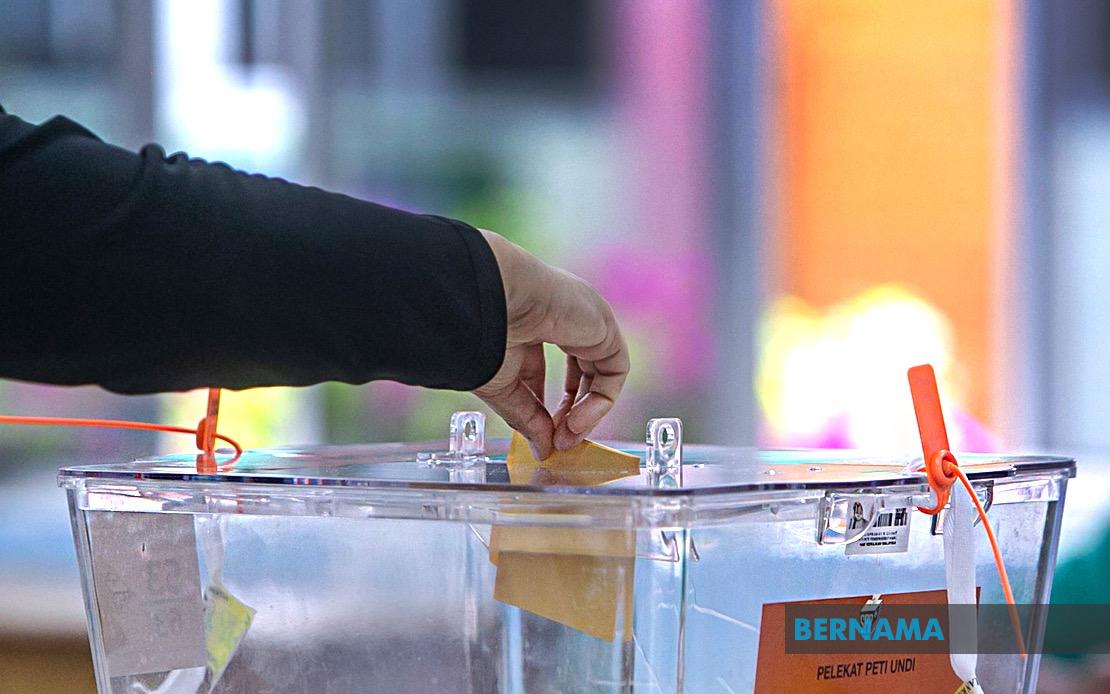
The Ministry of Youth and Sports (KBS) has taken a decisive step to facilitate democratic participation among young Malaysians by instructing all Youth and Sports Skills Training Institutions (ILKBS) to consider approving special leave for students who need to return to their home constituencies to cast their votes in general elections, state elections, or by-elections. This directive, communicated through the ministry's Youth Skills Development Division (BPKB), represents an acknowledgment that voting is a fundamental civic responsibility that should not conflict with educational and training pursuits.
The policy framework established by KBS recognises a persistent tension faced by young voters pursuing skills training across Malaysia. Many ILKBS students reside away from their registered polling areas, creating logistical challenges for those who wish to exercise their franchise. By formalising the leave provision, the ministry has essentially declared that participating in electoral processes is sufficiently important to warrant institutional accommodation, signalling to young Malaysians that their political engagement is valued by government agencies.
Under the new arrangement, students seeking special leave must submit applications directly to their respective ILKBS management for approval. The decision-making process takes into account multiple practical considerations, including the distance between the training facility and the student's designated polling centre, the realistic travel time required for the journey, and the potential impact on ongoing training schedules. This nuanced approach prevents blanket approvals that might compromise institutional operations while ensuring that genuine barriers to voting do not go unaddressed.
Directors of individual ILKBS institutions retain approval authority over applications, a decentralised approach that allows each training facility to tailor decisions according to their specific operational circumstances and student cohorts. This flexibility is crucial given the diversity of Malaysia's training landscape, where institutions operate in urban centres, suburban areas, and more remote regions. By empowering local leadership, KBS avoids imposing rigid requirements that might prove unworkable in certain contexts while maintaining systematic oversight of attendance records and student welfare.
The ministry has also emphasised the importance of proactive communication with eligible students. ILKBS management has been instructed to inform prospective voters well in advance about the special leave option and the application process, enabling students to plan their travel arrangements early and avoid last-minute scrambling. This advance notification approach reduces administrative friction and demonstrates institutional commitment to supporting student participation rather than merely tolerating it as a necessary inconvenience.
For Malaysian policymakers and civil society observers, this directive reflects growing recognition that youth engagement in electoral processes strengthens democratic legitimacy and fosters long-term political participation habits. By removing unnecessary institutional barriers at a formative stage of young Malaysians' lives, KBS tacitly encourages the development of a voter generation comfortable with exercising franchise rights and confident in the democratic system. The policy implicitly rejects any notion that training obligations should supersede fundamental political responsibilities.
The move carries particular significance within Southeast Asia's broader democratic context. Across the region, youth participation in elections has faced various obstacles, from restrictive voter registration procedures to institutional inflexibility. Malaysia's decision to institutionalise special leave provisions demonstrates a commitment to inclusive democratic practice that sets a useful precedent for other nations and training systems in the region grappling with similar challenges.
Implementation of this policy will likely require coordination between ILKBS institutions and election management authorities to ensure that students can smoothly navigate both their training obligations and voting requirements. The success of the initiative will ultimately depend on how receptively individual institution directors treat applications and whether students receive sufficient advance notice to make informed decisions about their electoral participation.
Beyond the immediate logistical framework, the KBS directive sends a symbolic message about the state's view of youth citizenship. By accommodating student voters rather than treating electoral participation as a private matter to be resolved outside institutional contexts, the ministry elevates voting from a personal choice to a recognised civic duty deserving institutional support. This framing could influence how young Malaysians conceptualise their relationship with democratic processes and their role within the broader national polity.

